Sustainable Packaging Solutions: Eco-Friendly Materials for Modern Businesses

One free digital sample for orders over $500
For orders over $7,500, a voucher worth $500 will be given, which can be deducted from the next big shipment or proof.

environmentally friendly packaging solutions

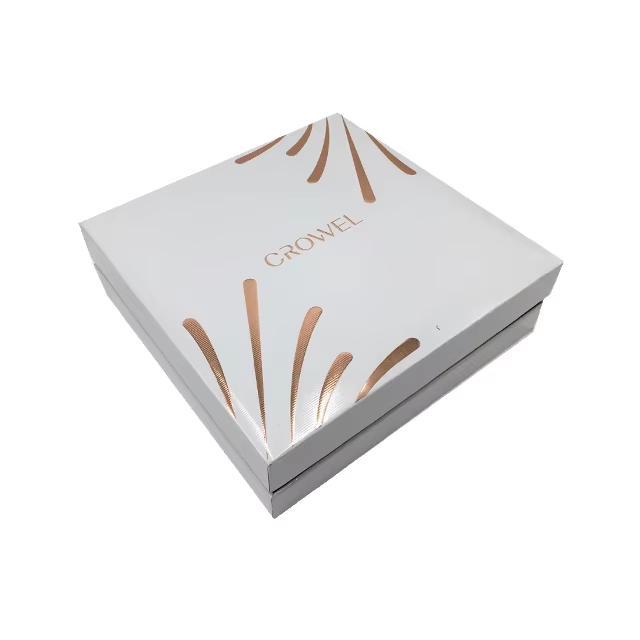
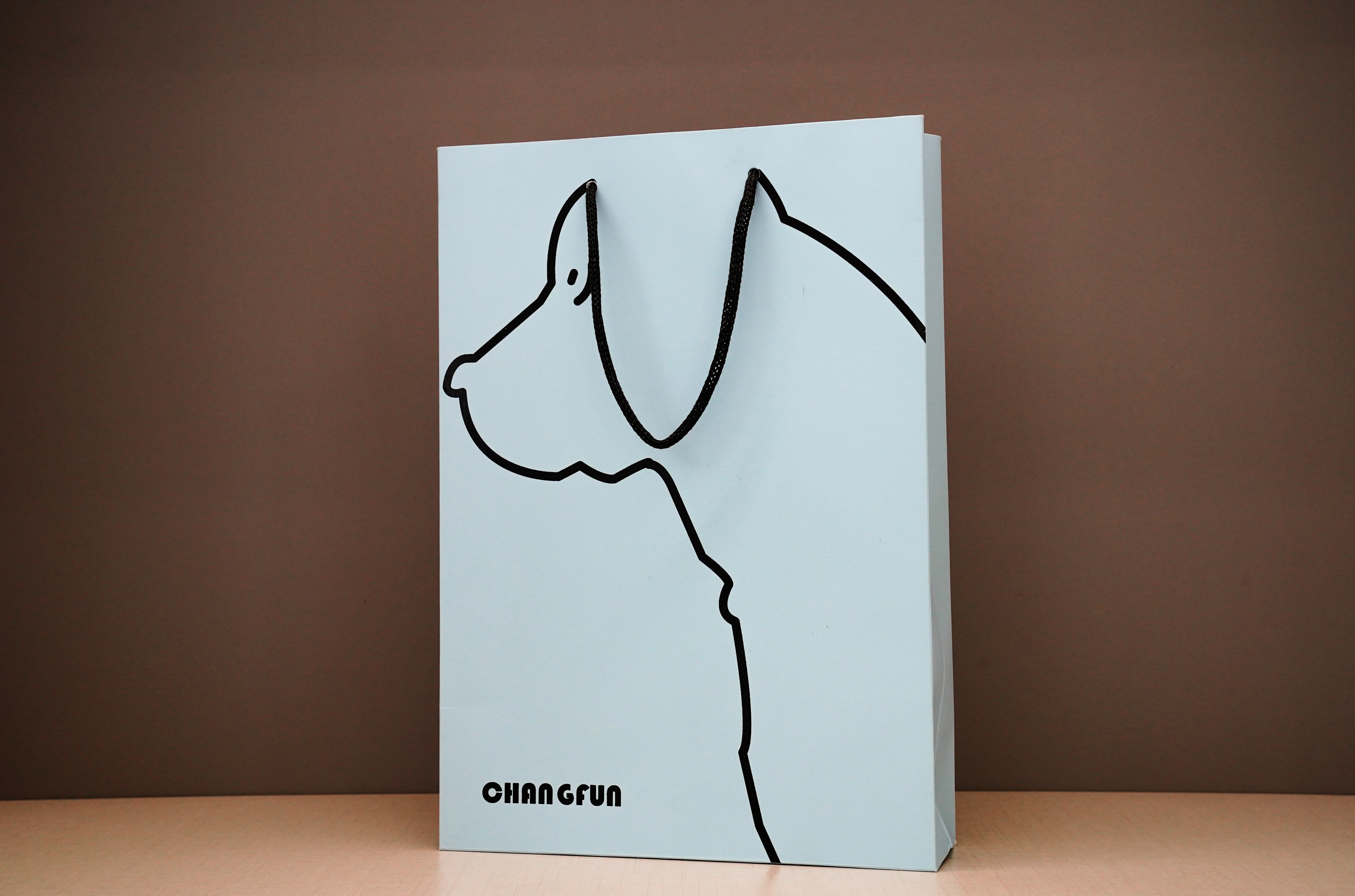
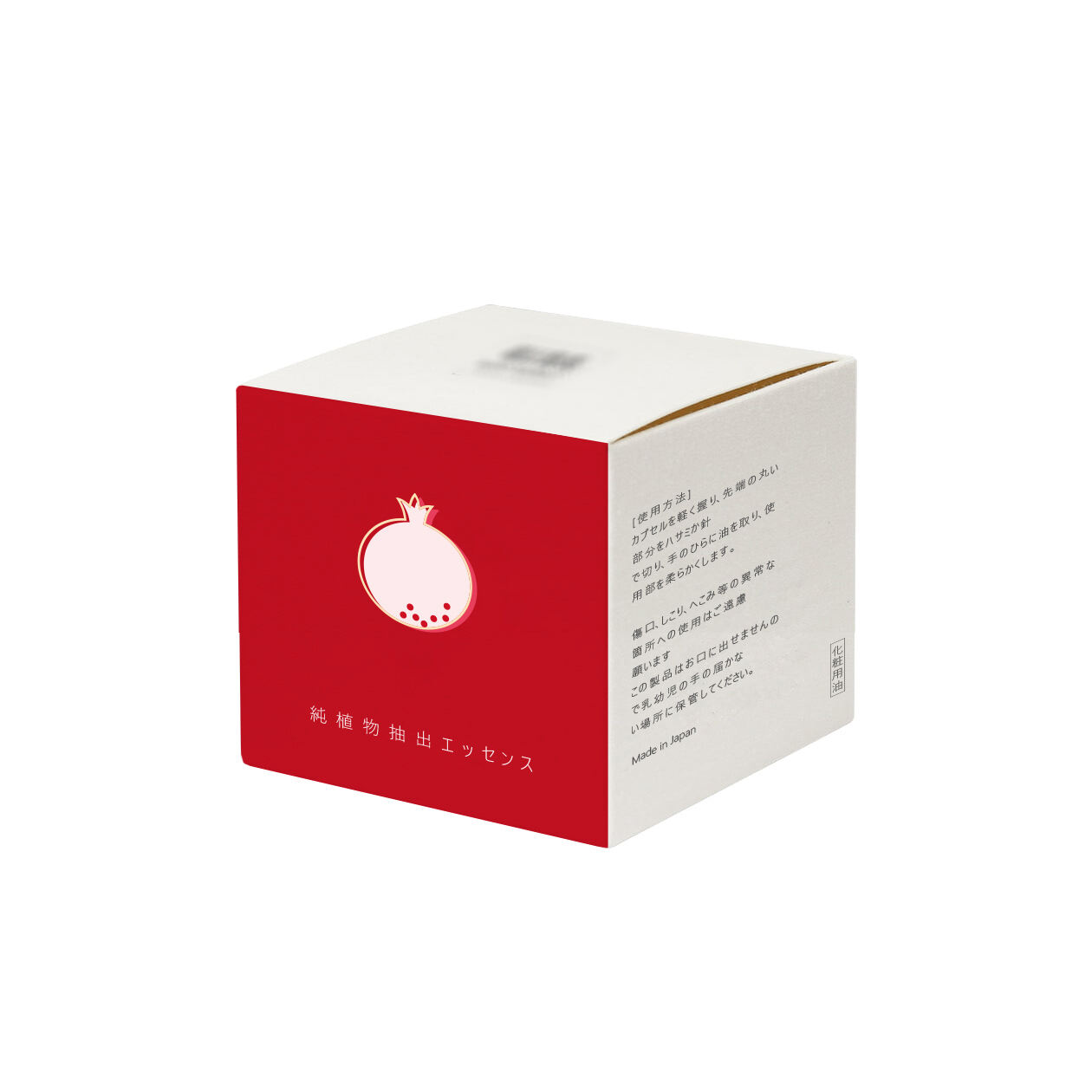
Environmentally friendly packaging solutions represent a revolutionary approach to product packaging that prioritizes sustainability without compromising functionality or protection. These innovative packaging systems utilize renewable, recyclable, and biodegradable materials to create protective containers that minimize environmental impact throughout their entire lifecycle. The main functions of environmentally friendly packaging solutions encompass product protection, brand differentiation, supply chain efficiency, and waste reduction. Modern eco-packaging technologies incorporate advanced materials science, utilizing plant-based plastics, recycled paper fibers, mushroom-based foam alternatives, and compostable polymers. These solutions maintain structural integrity while offering superior barrier properties against moisture, oxygen, and light exposure. Technological features include water-based inks for printing, adhesive-free assembly mechanisms, and modular designs that optimize shipping efficiency. Smart packaging integration allows for temperature monitoring and freshness indicators using sustainable electronic components. The applications of environmentally friendly packaging solutions span across multiple industries including food and beverage, cosmetics, pharmaceuticals, electronics, and e-commerce. Retail companies implement these solutions for consumer goods packaging, while industrial manufacturers adopt them for B2B shipping containers. Food service providers utilize compostable takeout containers and utensils, while cosmetic brands embrace refillable packaging systems. Pharmaceutical companies deploy child-resistant eco-friendly blister packs, and electronics manufacturers use molded fiber protective inserts. These packaging solutions address growing consumer demand for sustainable products while helping businesses meet environmental regulations and corporate sustainability goals. The versatility of environmentally friendly packaging solutions enables customization for specific product requirements while maintaining cost-effectiveness and scalability for mass production.


New Product Recommendations

Environmentally friendly packaging solutions deliver substantial benefits that directly impact business operations and customer satisfaction. These sustainable packaging options significantly reduce waste disposal costs for businesses by eliminating the need for specialized landfill fees and hazardous material handling. Companies save money on packaging materials since many eco-friendly alternatives use less raw material while providing equivalent protection. The lightweight nature of sustainable packaging reduces shipping costs by decreasing overall package weight and volume, leading to lower freight expenses and improved logistics efficiency. Businesses enhance their brand reputation by demonstrating genuine commitment to environmental responsibility, which attracts environmentally conscious consumers and increases customer loyalty. These packaging solutions help companies comply with increasingly strict environmental regulations, avoiding potential fines and legal complications. The use of renewable materials reduces dependence on petroleum-based plastics, providing price stability and supply chain security. Environmentally friendly packaging solutions create competitive advantages in markets where sustainability is a key differentiator. Customers appreciate brands that align with their values, leading to increased sales and market share. The biodegradable and compostable nature of these materials reduces long-term environmental liability for businesses. Manufacturing processes for sustainable packaging often require less energy and water, reducing operational costs and carbon footprint. These solutions enable circular economy models where packaging materials return to the production cycle, creating additional revenue streams through material recovery programs. Companies experience improved employee morale and recruitment success when implementing environmentally responsible practices. The modular design of many eco-friendly packaging systems allows for efficient storage and reduced warehouse space requirements. Quality control becomes more manageable with standardized sustainable materials that offer consistent performance characteristics. Marketing benefits include positive media coverage and alignment with corporate social responsibility initiatives that appeal to investors and stakeholders.

Practical Tips

How to Design Eye-Catching Perfume Gift Boxes

21

Aug

How to Design Eye-Catching Perfume Gift Boxes

How to Design Eye-Catching Perfume Gift Boxes Perfume is one of the most personal and luxurious consumer products, often purchased not only for personal use but also as a thoughtful and elegant gift. The allure of perfume goes far beyond the fragranc...
View More
Color Matching in Offset Printing: Achieving Brand Consistency

28

Sep

Color Matching in Offset Printing: Achieving Brand Consistency

The Essential Guide to Color Precision in Commercial Printing In the world of professional printing, achieving perfect color matching in offset printing stands as one of the most crucial yet challenging aspects of the production process. Brand identi...
View More
How to Switch to Eco Friendly Packaging: Cost & Benefits

20

Oct

How to Switch to Eco Friendly Packaging: Cost & Benefits

Transform Your Business with Sustainable Packaging Solutions The global shift toward environmental consciousness has placed eco friendly packaging at the forefront of business innovation. Companies worldwide are recognizing that sustainable packaging...
View More
Custom Packaging Box Design: Expert Tips & Tricks

27

Nov

Custom Packaging Box Design: Expert Tips & Tricks

In today's competitive marketplace, businesses across industries recognize the pivotal role of effective packaging box design in brand differentiation and customer engagement. The strategic approach to creating memorable packaging experiences extends...
View More

Get a Free Quote

Our representative will contact you soon.
Email
Name
Company Name
Interested Products
Please enter your interested products
Message
0/1000

environmentally friendly packaging solutions

Biodegradable Materials Technology

Biodegradable Materials Technology

The cornerstone of environmentally friendly packaging solutions lies in advanced biodegradable materials technology that transforms how products are protected and presented. This innovative approach utilizes cutting-edge polymer science to create packaging materials that naturally decompose without leaving harmful residues in the environment. Plant-based bioplastics derived from corn starch, sugarcane, and potato extract provide exceptional strength and flexibility while maintaining complete biodegradability within composting facilities. These materials undergo rigorous testing to ensure they meet international compostability standards, breaking down into water, carbon dioxide, and organic matter within specified timeframes. The manufacturing process incorporates renewable feedstock that regenerates annually, unlike petroleum-based plastics that deplete finite fossil fuel resources. Advanced molecular engineering creates barrier properties that rival traditional packaging materials, protecting products from moisture, oxygen, and UV radiation while maintaining structural integrity throughout the supply chain. Specialized additives enhance performance characteristics without compromising biodegradability, including natural antimicrobial agents and strength enhancers derived from agricultural waste products. The technology enables manufacturers to create custom formulations tailored to specific product requirements, from flexible films for food packaging to rigid containers for cosmetics and pharmaceuticals. Quality assurance protocols ensure consistent performance across production batches, with real-time monitoring systems tracking material properties and decomposition rates. This biodegradable technology supports circular economy principles by returning nutrients to soil systems through proper composting, eliminating the accumulation of persistent packaging waste. Research and development continue advancing these materials, with next-generation formulations offering improved performance characteristics and faster decomposition rates while maintaining cost competitiveness with conventional packaging options.
Circular Economy Integration

Circular Economy Integration

Environmentally friendly packaging solutions excel in circular economy integration by creating closed-loop systems that eliminate waste and maximize resource utilization throughout the packaging lifecycle. This comprehensive approach transforms traditional linear packaging models into regenerative systems where materials continuously cycle through production, use, and recovery phases. The integration begins with design principles that prioritize material recovery, featuring separable components that facilitate efficient sorting and processing at end-of-life. Advanced material identification systems, including digital watermarks and chemical tracers, enable automated sorting facilities to accurately categorize different packaging components for appropriate recycling streams. Collection infrastructure partnerships connect businesses with specialized waste management companies that optimize material recovery rates through sophisticated processing technologies. The circular model incorporates take-back programs where manufacturers assume responsibility for packaging recovery, creating financial incentives for sustainable design and efficient material utilization. Reprocessing technologies convert recovered packaging materials into high-quality feedstock for new packaging production, maintaining material integrity across multiple use cycles. This integration reduces virgin material consumption by up to 80 percent while generating cost savings through material recovery revenue streams. Supply chain collaboration enables shared responsibility among manufacturers, retailers, and waste management companies to optimize collection and processing efficiency. Digital tracking systems monitor packaging throughout its lifecycle, providing data analytics that inform continuous improvement in design and recovery processes. The circular approach creates economic value through material resale markets while reducing environmental impact through decreased resource extraction and waste generation. Local processing facilities minimize transportation requirements and support regional economic development while ensuring material quality standards. This integration model demonstrates how environmentally friendly packaging solutions can simultaneously achieve environmental goals and business profitability through innovative resource management strategies.
Cost-Effectiveness and Performance Optimization

Cost-Effectiveness and Performance Optimization

The cost-effectiveness and performance optimization of environmentally friendly packaging solutions deliver exceptional value through innovative engineering and efficient production processes that rival traditional packaging alternatives. Modern sustainable packaging technologies achieve superior cost performance through streamlined manufacturing processes that eliminate expensive chemical treatments and energy-intensive production steps required for conventional materials. Bulk purchasing agreements for renewable raw materials create economies of scale that reduce per-unit costs while ensuring consistent supply availability. The lightweight characteristics of eco-friendly materials significantly reduce shipping expenses, with weight reductions of up to 30 percent compared to traditional packaging options. Performance optimization incorporates multi-functional designs that combine protection, branding, and user experience features into single packaging solutions, eliminating the need for additional components and reducing overall system costs. Advanced testing protocols ensure that sustainable packaging materials meet or exceed performance standards for barrier properties, strength, and durability while maintaining competitive pricing structures. Automation-friendly designs enable high-speed packaging line integration without requiring expensive equipment modifications or specialized handling procedures. The modular architecture of many environmentally friendly packaging solutions allows for inventory optimization through standardized components that serve multiple product lines. Quality consistency reduces waste and rejection rates during production, while predictable material properties enable precise engineering calculations that optimize material usage. Long-term cost benefits include reduced waste disposal fees, regulatory compliance advantages, and potential carbon credit revenues through verified emission reductions. Supply chain partnerships create volume discounts and technical support that enhance cost-effectiveness while ensuring reliable material availability. Performance monitoring systems track packaging effectiveness throughout distribution channels, identifying optimization opportunities that further reduce costs while improving product protection. The total cost of ownership analysis demonstrates that environmentally friendly packaging solutions often provide superior financial returns when considering operational efficiency, brand value enhancement, and risk mitigation factors.

Get a Free Quote

Our representative will contact you soon.
Email
Name
Company Name
Interested Products
Please enter your interested products
Message
0/1000