Sustainable Cosmetic Packaging Solutions: Eco-Friendly Beauty Container Innovation Guide

One free digital sample for orders over $500
For orders over $7,500, a voucher worth $500 will be given, which can be deducted from the next big shipment or proof.

sustainable cosmetic packaging

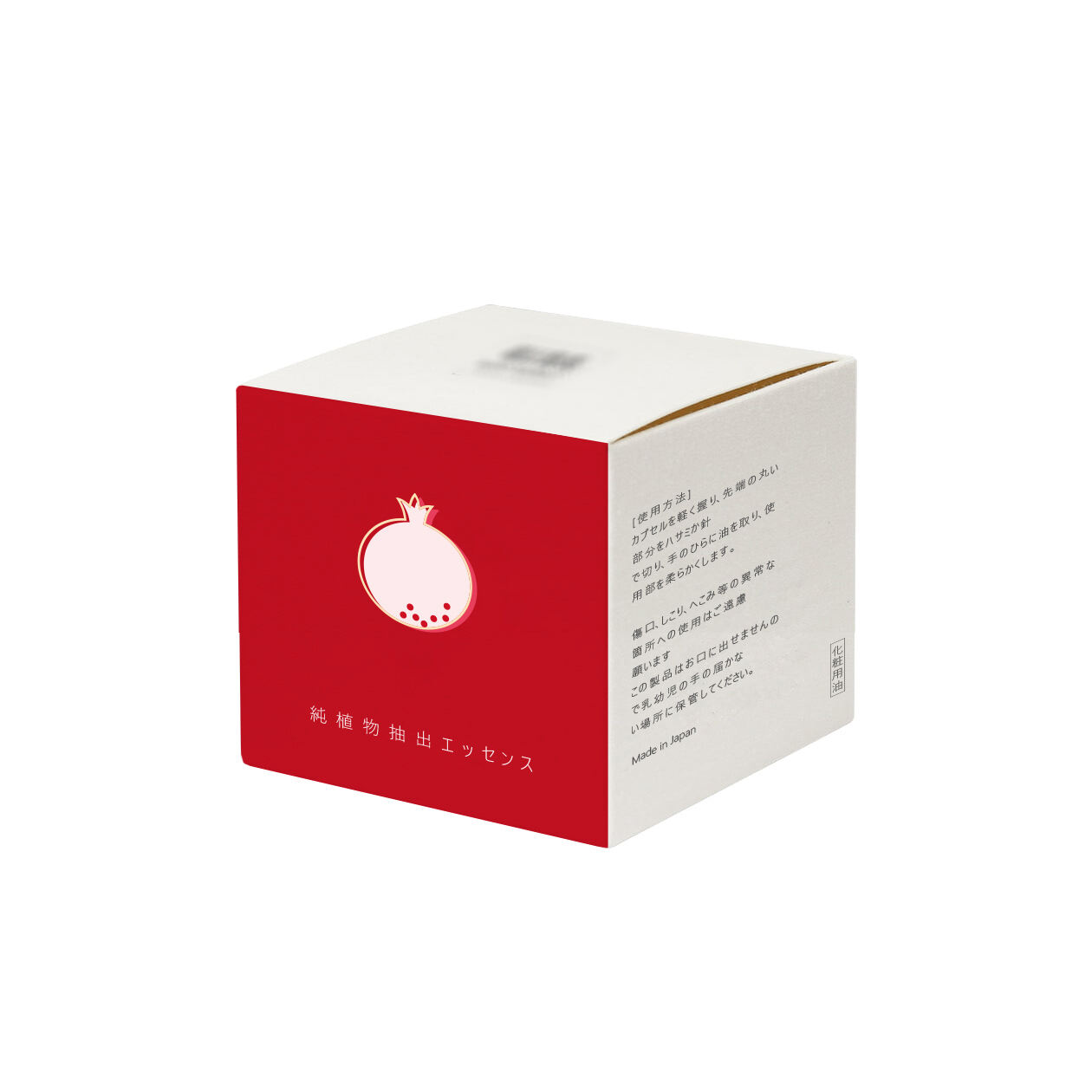
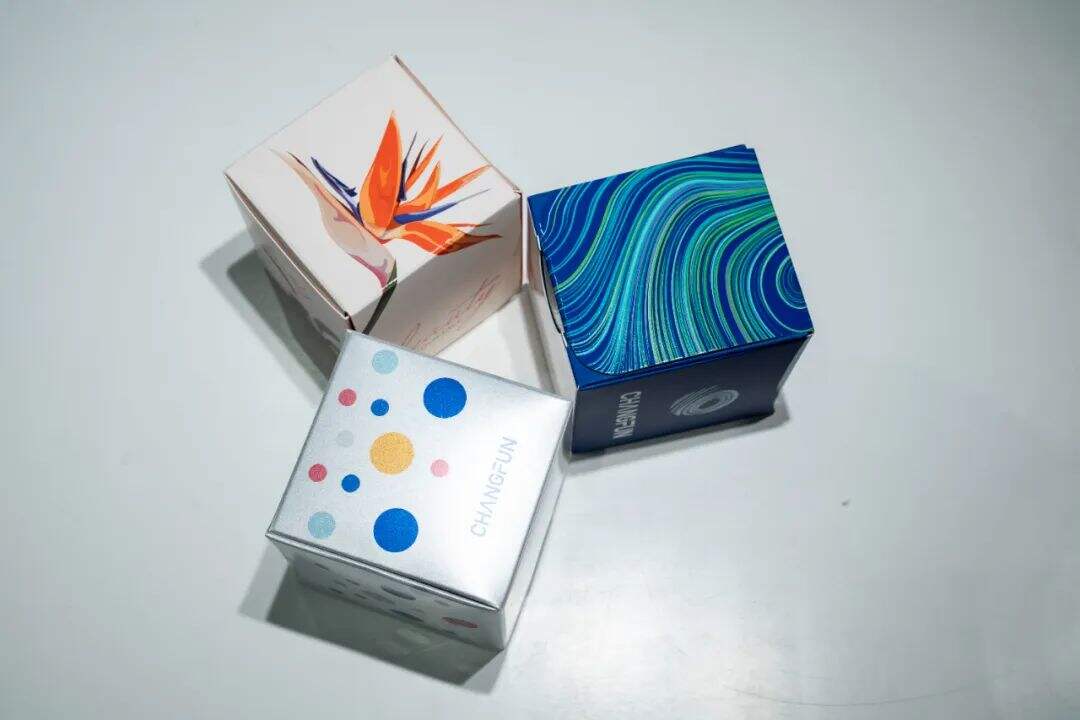
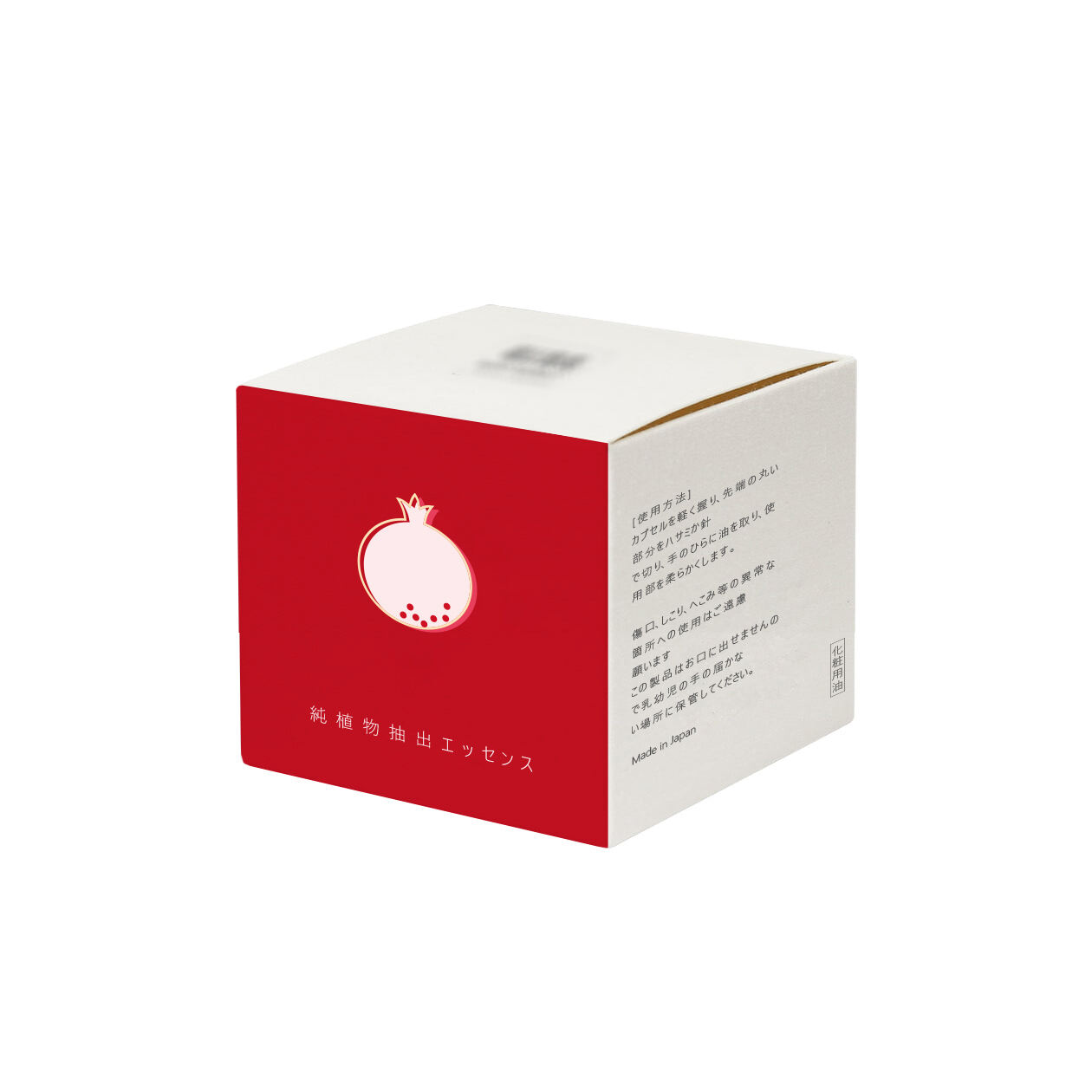
Sustainable cosmetic packaging represents a revolutionary approach to beauty product containers that prioritizes environmental responsibility without compromising functionality or aesthetic appeal. This innovative packaging solution addresses the growing consumer demand for eco-friendly alternatives while meeting the strict requirements of cosmetic product protection and preservation. The main functions of sustainable cosmetic packaging include safeguarding product integrity, extending shelf life, preventing contamination, and providing user-friendly dispensing mechanisms. These containers utilize advanced barrier technologies to protect sensitive formulations from light, air, and moisture exposure, ensuring that active ingredients remain potent throughout the product lifecycle. The technological features of sustainable cosmetic packaging encompass biodegradable materials, recycled content integration, refillable designs, and minimal waste production processes. Manufacturers employ cutting-edge materials such as plant-based polymers, ocean-bound plastics, aluminum alternatives, and innovative bio-composites to create durable yet environmentally conscious containers. Advanced manufacturing techniques reduce energy consumption during production while maintaining high-quality standards essential for cosmetic applications. The applications of sustainable cosmetic packaging span across various beauty segments including skincare, makeup, haircare, and personal care products. These versatile containers accommodate different product viscosities, from lightweight serums to thick creams, while providing optimal protection and functionality. Modern sustainable packaging solutions feature smart design elements such as airless pumps, precise dosing mechanisms, and tamper-evident seals that enhance user experience while maintaining product safety. The integration of sustainable cosmetic packaging into brand strategies demonstrates corporate environmental responsibility and appeals to eco-conscious consumers who increasingly consider packaging sustainability when making purchasing decisions.


New Products

Sustainable cosmetic packaging delivers numerous practical benefits that directly impact both businesses and consumers in meaningful ways. Environmental protection stands as the primary advantage, with these containers significantly reducing plastic waste accumulation in landfills and oceans. Companies adopting sustainable cosmetic packaging demonstrate measurable carbon footprint reduction, contributing to global climate change mitigation efforts while appealing to environmentally conscious consumers who prioritize green purchasing decisions. Cost efficiency emerges as another compelling benefit, as sustainable packaging often reduces long-term expenses through refillable designs and bulk purchasing opportunities. Consumers save money by purchasing refill options rather than entirely new products, while brands reduce material costs and shipping expenses associated with lighter, more efficient container designs. Brand differentiation becomes achievable through sustainable cosmetic packaging adoption, as companies position themselves as industry leaders in environmental responsibility. This strategic advantage attracts new customer segments, particularly millennials and Gen Z consumers who actively seek brands aligning with their sustainability values. Enhanced product preservation represents a technical advantage often overlooked in sustainability discussions. Modern sustainable materials provide excellent barrier properties, protecting formulations from degradation while extending product shelf life. This preservation capability ensures consumers receive maximum value from their purchases while reducing product waste due to premature spoilage. User experience improvements accompany many sustainable packaging innovations, with refillable systems offering convenient, mess-free application methods. These designs often feature improved dispensing mechanisms that provide precise product control, reducing overuse and extending product longevity. Supply chain optimization occurs when companies implement sustainable cosmetic packaging, streamlining logistics through reduced weight and volume requirements. This efficiency translates to lower shipping costs and reduced transportation-related emissions. Regulatory compliance becomes simplified as governments worldwide implement stricter packaging waste regulations. Companies proactively adopting sustainable solutions avoid future compliance costs while maintaining market access in regions with stringent environmental standards.

Practical Tips

Color Matching in Offset Printing: Achieving Brand Consistency

28

Sep

Color Matching in Offset Printing: Achieving Brand Consistency

The Essential Guide to Color Precision in Commercial Printing In the world of professional printing, achieving perfect color matching in offset printing stands as one of the most crucial yet challenging aspects of the production process. Brand identi...
View More
Custom Holographic Paper: Cost and Quality Guide

20

Oct

Custom Holographic Paper: Cost and Quality Guide

Understanding the Magic of Holographic Materials in Modern Printing The alluring world of holographic paper has revolutionized the packaging and printing industry, offering an enchanting blend of visual appeal and practical functionality. This remark...
View More
2025 Guide to Eco Friendly Packaging: Top Sustainable Solutions

20

Oct

2025 Guide to Eco Friendly Packaging: Top Sustainable Solutions

The Evolution of Sustainable Packaging in Modern Commerce As we approach 2025, the landscape of packaging solutions has transformed dramatically, with eco friendly packaging taking center stage in global sustainability efforts. This shift represents ...
View More
How to Switch to Eco Friendly Packaging: Cost & Benefits

20

Oct

How to Switch to Eco Friendly Packaging: Cost & Benefits

Transform Your Business with Sustainable Packaging Solutions The global shift toward environmental consciousness has placed eco friendly packaging at the forefront of business innovation. Companies worldwide are recognizing that sustainable packaging...
View More

Get a Free Quote

Our representative will contact you soon.
Email
Name
Company Name
Interested Products
Please enter your interested products
Message
0/1000

sustainable cosmetic packaging

Revolutionary Refillable Technology Systems

Revolutionary Refillable Technology Systems

Revolutionary refillable technology systems represent the pinnacle of sustainable cosmetic packaging innovation, transforming how consumers interact with their beauty products while dramatically reducing environmental impact. These sophisticated systems feature precision-engineered components that allow seamless product replenishment without compromising hygiene or functionality. The technology incorporates magnetic closure mechanisms, leak-proof sealing systems, and user-friendly insertion processes that make refilling effortless and enjoyable. Advanced refillable designs utilize modular construction principles, enabling consumers to customize their packaging configurations according to personal preferences and usage patterns. The inner cartridges employ cutting-edge barrier materials that preserve product integrity while being completely replaceable, ensuring optimal freshness with each refill cycle. Manufacturing processes for these systems emphasize durability and longevity, with outer shells designed to withstand years of regular use without degradation. The technology integrates smart identification features such as color-coding systems and product compatibility indicators that prevent mismatched refills and ensure proper product pairing. Consumer convenience reaches new heights through tool-free refilling mechanisms that require no special equipment or technical knowledge. The economic benefits for consumers are substantial, with refill options typically costing 40-60% less than purchasing entirely new products. Environmental impact reduction becomes quantifiable through these systems, with studies showing up to 85% waste reduction compared to traditional single-use packaging. The technology supports various product formulations, from liquid foundations to powder compacts, demonstrating versatility across cosmetic categories. Quality assurance protocols ensure that refillable systems maintain the same protection standards as traditional packaging while offering superior sustainability credentials. Brand loyalty increases significantly when companies offer refillable options, as consumers appreciate the ongoing value proposition and environmental responsibility demonstration.
Advanced Biodegradable Material Innovation

Advanced Biodegradable Material Innovation

Advanced biodegradable material innovation in sustainable cosmetic packaging represents a groundbreaking achievement in materials science, offering complete environmental compatibility without sacrificing performance standards. These revolutionary materials derive from renewable resources such as agricultural waste, algae biomass, and plant-based polymers that naturally decompose in industrial composting facilities within 90-180 days. The innovation process involves molecular engineering techniques that create materials with identical barrier properties to traditional plastics while maintaining complete biodegradability. Advanced testing protocols verify that these materials break down into harmless organic compounds, leaving no microplastic residues or toxic byproducts in soil or water systems. Manufacturing scalability has been achieved through partnerships with agricultural suppliers, creating a circular economy where waste materials become valuable packaging resources. The materials exhibit exceptional versatility, accommodating various cosmetic formulations while providing optimal protection against moisture, oxygen, and UV radiation. Color customization capabilities allow brands to maintain their visual identity while utilizing biodegradable materials, with natural pigments and dyes ensuring complete environmental compatibility. Strength and durability characteristics match or exceed traditional packaging materials, with rigorous testing confirming resistance to dropping, compression, and temperature variations. The innovation extends to barrier coatings and laminations, utilizing plant-based waxes and bio-polymers that enhance protection without compromising biodegradability. Consumer education becomes simplified with clear labeling that explains proper disposal methods and composting requirements. Cost competitiveness has improved significantly as production volumes increase, making biodegradable materials economically viable for mass-market applications. Research continues into enhanced formulations that offer even faster decomposition rates while maintaining superior protection properties. The technology supports various packaging formats including tubes, jars, bottles, and flexible pouches, demonstrating universal applicability across cosmetic product categories.
Circular Economy Integration Benefits

Circular Economy Integration Benefits

Circular economy integration benefits within sustainable cosmetic packaging create comprehensive value systems that transform waste into valuable resources while generating multiple stakeholder advantages. This innovative approach establishes closed-loop systems where packaging materials continuously cycle through use, collection, processing, and regeneration phases without environmental waste accumulation. The integration process involves collaboration between cosmetic brands, packaging manufacturers, recycling facilities, and consumers to create seamless material flow systems. Advanced tracking technologies enable precise monitoring of packaging lifecycles, providing data insights that optimize collection efficiency and material recovery rates. Economic benefits multiply through this integration, with companies reducing raw material costs by incorporating recycled content while consumers participate in take-back programs that offer purchase incentives. The circular model supports local economies through regional recycling facilities and processing centers that create employment opportunities while reducing transportation emissions. Technology platforms facilitate consumer participation through mobile applications that locate collection points, track recycling contributions, and reward sustainable behavior with loyalty points or discounts. Material quality improvements occur through advanced recycling techniques that restore packaging materials to virgin-equivalent properties, enabling infinite recycling cycles without performance degradation. Brand storytelling becomes more compelling as companies demonstrate quantifiable environmental impact through circular economy participation, with detailed reporting on material recovery rates and waste diversion statistics. Supply chain resilience increases as circular systems reduce dependence on virgin materials and fluctuating commodity prices, providing stability in material sourcing and cost management. Innovation acceleration occurs as circular economy requirements drive research into improved materials and processes that enhance recyclability and reusability characteristics. Consumer engagement deepens through educational programs that explain circular economy principles and demonstrate individual contribution impacts on environmental preservation. Regulatory compliance becomes proactive as circular economy integration often exceeds current requirements while preparing for future legislation focused on extended producer responsibility and packaging waste reduction mandates.

Get a Free Quote

Our representative will contact you soon.
Email
Name
Company Name
Interested Products
Please enter your interested products
Message
0/1000