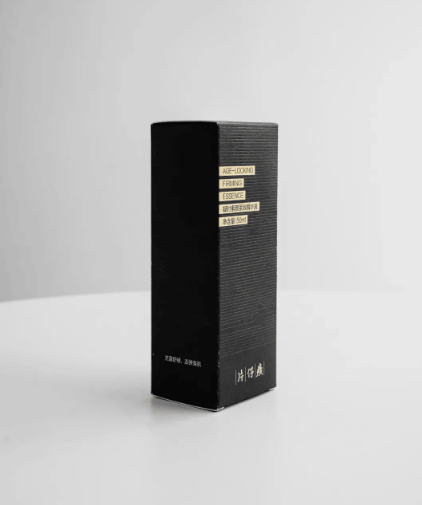
The production of perfume in box packaging represents one of the most demanding segments within the cosmetic packaging industry. Manufacturers face multifaceted challenges that extend far beyond simple box assembly, requiring expertise in material science, structural engineering, regulatory compliance, and quality assurance. Understanding these obstacles is essential for anyone involved in perfume in box production, whether you are a packaging designer, brand owner, or supply chain manager seeking to optimize your production workflow.
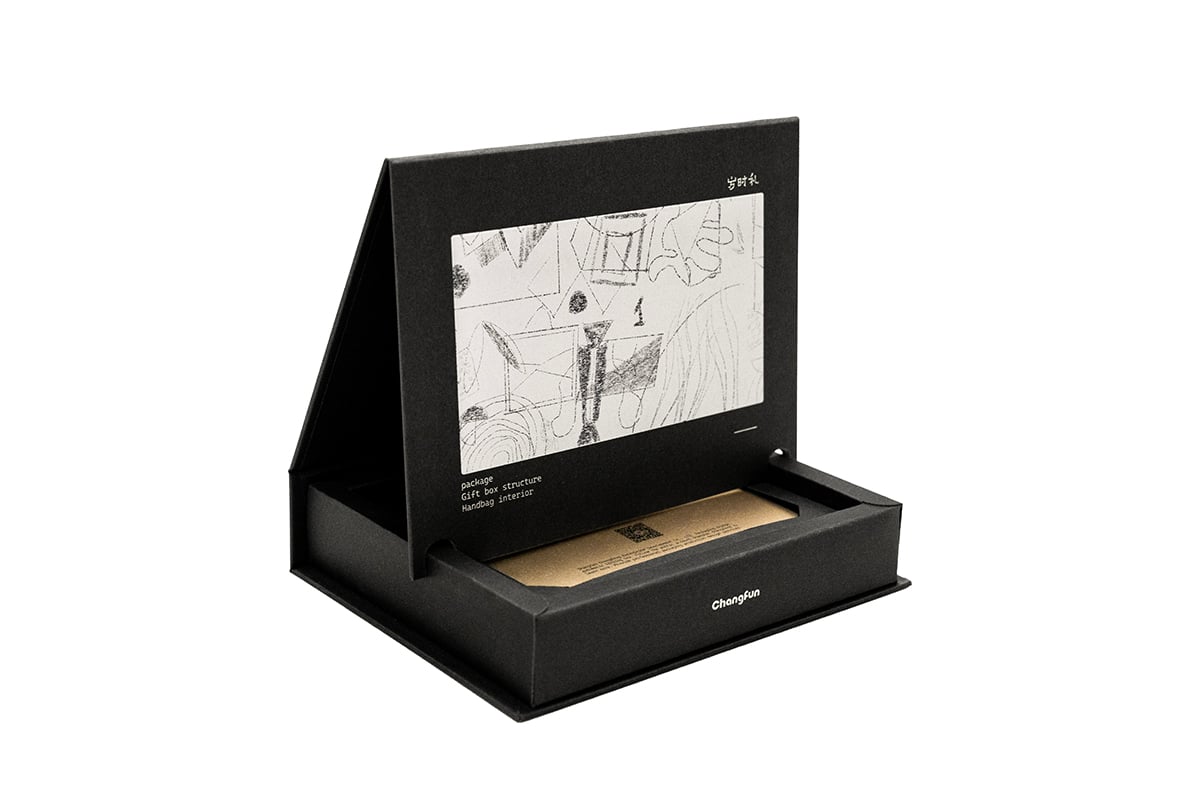
The complexities surrounding perfume in box production stem from the unique properties of fragrance products themselves. Unlike dry goods or non-volatile products, perfumes present specific preservation and containment challenges. The perfume in box must protect the liquid contents from evaporation, oxidation, and light degradation while maintaining aesthetic appeal and brand positioning. These competing demands create significant operational complexity throughout every stage of the production process.
One of the primary challenges in perfume in box production is selecting materials that provide adequate barrier protection against volatile fragrance compounds. Standard cardboard used in general packaging is insufficient for this application because perfume components can gradually penetrate and degrade the box structure over time. The perfume in box requires specialized coatings or laminated materials that resist alcohol and essential oil penetration while remaining cost-effective at scale.
Perfume in box manufacturers must evaluate multiple material options including kraft paper with protective linings, plastic-coated cardboard, or laminated substrates with polyethylene or polyester films. Each option presents trade-offs between barrier performance, sustainability, printing quality, and manufacturing cost. The wrong material selection can result in product seepage, discoloration of the packaging exterior, weakened structural integrity, or compromised shelf life. Testing and qualification of new materials requires investment in laboratory analysis and extended shelf-life trials before production commitment.
Perfume in box production must comply with increasingly stringent environmental regulations across multiple markets. Many regions now restrict certain plastic materials and demand sustainable alternatives, forcing manufacturers to reformulate their perfume in box designs. Balancing regulatory compliance with practical performance requirements adds complexity to material sourcing, as sustainable options may not always deliver equivalent barrier performance or cost economics.
Additionally, perfume in box packaging must meet specific labeling requirements, ingredient disclosure standards, and safety regulations that vary by country. Producers must ensure that inks, adhesives, and coating materials used in perfume in box construction do not contain prohibited substances and do not leach into the fragrance product. Compliance verification requires documentation, testing, and coordination with regulatory agencies, increasing operational overhead.
Perfume in box production demands extremely tight dimensional tolerances to ensure that inner vials or bottles fit securely without excessive movement or damage. Unlike general merchandise boxes, perfume in box design must accommodate specific vial sizes, closure types, and protective inserts such as foam padding, tissue wrapping, or corrugated separators. Any deviation in box dimensions can cause the fragrance bottle to shift during transport, leading to product leakage or customer dissatisfaction.
The engineering of perfume in box structures requires collaboration between packaging designers and product teams to establish exact specifications. Dies used for cutting and folding must maintain consistency across production runs, which demands regular maintenance, calibration, and die replacement. Machine settings must be optimized for the specific perfume in box material, with adjustments for humidity, temperature, and material batch variations that inevitably occur in paper and cardboard manufacturing.
Perfume in box packages experience multiple stress conditions throughout the supply chain, including stacking pressure in warehouses, vibration during transportation, and temperature fluctuations that can weaken adhesive bonds. The presence of a liquid product inside adds weight and creates dynamic loading conditions that differ from dry goods packaging. If the perfume in box is not engineered with sufficient crush resistance and edge strength, failure rates during logistics can become unacceptable.
Box flap seals, corner bonding, and base construction must withstand these stresses without separation or deformation. The perfume in box must maintain its protective function even after extended storage or exposure to humidity variations in different climates. Structural testing through drop tests, vibration analysis, and accelerated aging studies is essential but time-consuming and costly, particularly when multiple prototype iterations are needed.
Perfume in box production typically involves multiple printing and finishing operations including prepress design, digital or flexographic printing, die-cutting, folding, and gluing. Each step introduces quality variability that must be monitored and controlled. Printing perfume in box designs requires precise color matching, registration accuracy, and ink adhesion to specialized barrier materials that may not accept standard printing inks efficiently.
Finishing operations for perfume in box production such as hot stamping, embossing, or lamination demand specialized equipment and operator expertise. Misalignment in die-cutting can result in packaging that fails to fold properly or seal correctly. Gluing processes must apply precise amounts of adhesive to ensure bond strength without excess that could compromise product safety or create visual defects on the perfume in box exterior.
Quality control in perfume in box manufacturing requires continuous inspection of multiple parameters including dimensional accuracy, print clarity, barrier integrity, and structural strength. Unlike simpler packaging products, perfume in box defects can include not only visual imperfections but also subtle issues such as poor adhesive bonds, incomplete barrier coatings, or inadequate cushioning that only manifest during actual use. Implementing effective quality systems requires vision inspection systems, physical testing, and real-world validation with actual fragrance products.
Defect rates in perfume in box production must remain extremely low because even minor flaws can result in product loss, customer complaints, or brand damage. Achieving six-sigma quality levels or better demands investment in automated inspection technology, employee training, and continuous process improvement initiatives. Rework of defective perfume in box units is often impossible once they enter production flow, making prevention-focused quality systems essential rather than optional.
Perfume in box requires specialized barrier materials to protect volatile fragrance compounds from evaporation and oxidation. The liquid contents demand precise dimensional fit to prevent shifting and leakage, while regulatory compliance adds complexity. Unlike dry goods, perfume in box production involves strict material compatibility requirements, environmental protection standards, and quality tolerances that surpass standard packaging applications.
Common defects in perfume in box manufacturing include inadequate barrier protection leading to product seepage, dimensional inconsistencies that cause vial movement, weak adhesive bonds in flaps and corners, misaligned printing that affects brand appearance, and insufficient cushioning protection. Perfume in box defects may also involve regulatory non-compliance with labeling requirements or material restrictions. Detection requires multiple testing methods including barrier testing, drop testing, and visual inspection.
Reducing defects in perfume in box production requires investment in preventive quality systems including automated vision inspection, rigorous material qualification, and equipment calibration protocols. Manufacturers should implement statistical process control, train operators on perfume in box specifications, and conduct regular maintenance on die-cutting and folding equipment. Collaboration between product development and packaging teams ensures that perfume in box designs account for real-world logistics stresses before production scaling.

 EN
EN
 Request An Estimate
 Projects