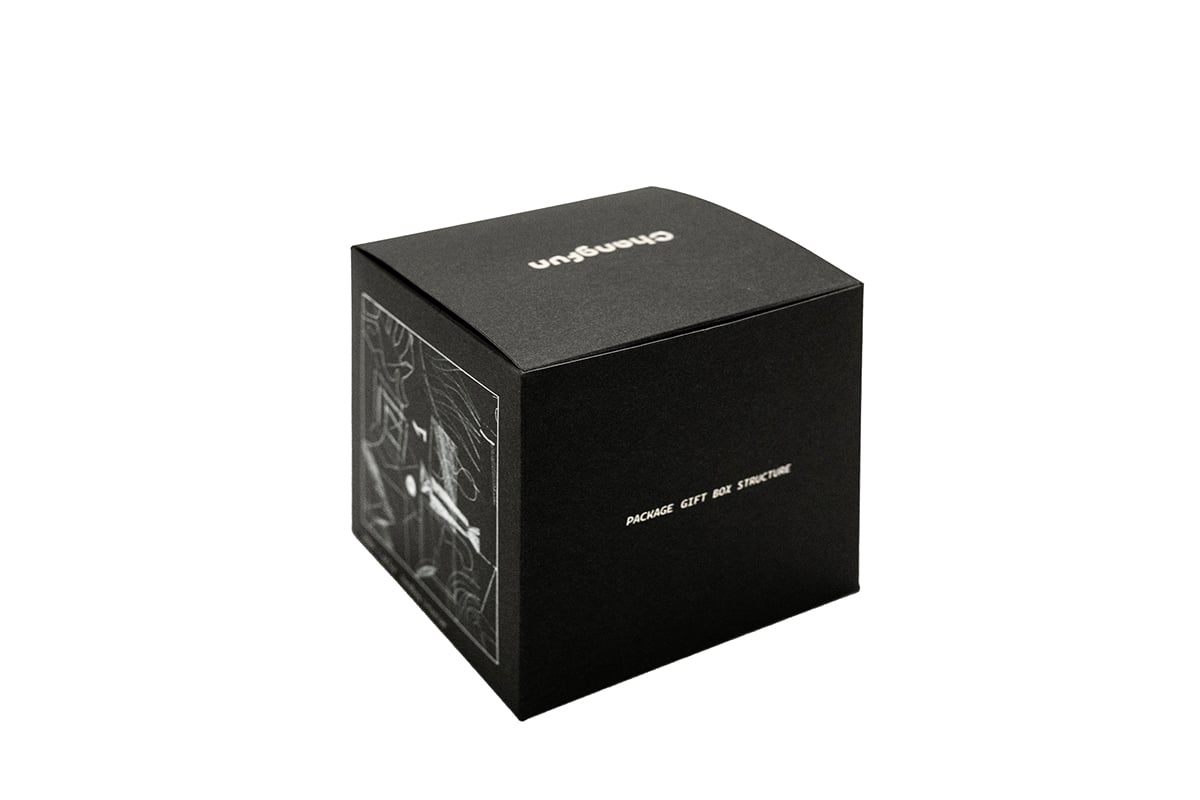
The structural integrity of a paper box is not just a manufacturing detail — it is a critical factor in product protection, brand perception, and supply chain performance. Whether a paper box is used for cosmetics, electronics, food, or retail gifts, its ability to maintain shape and resist compression under real-world conditions defines its commercial value. Understanding which design features contribute most directly to paper box strength and stability allows procurement teams and packaging designers to make smarter, more cost-effective decisions.
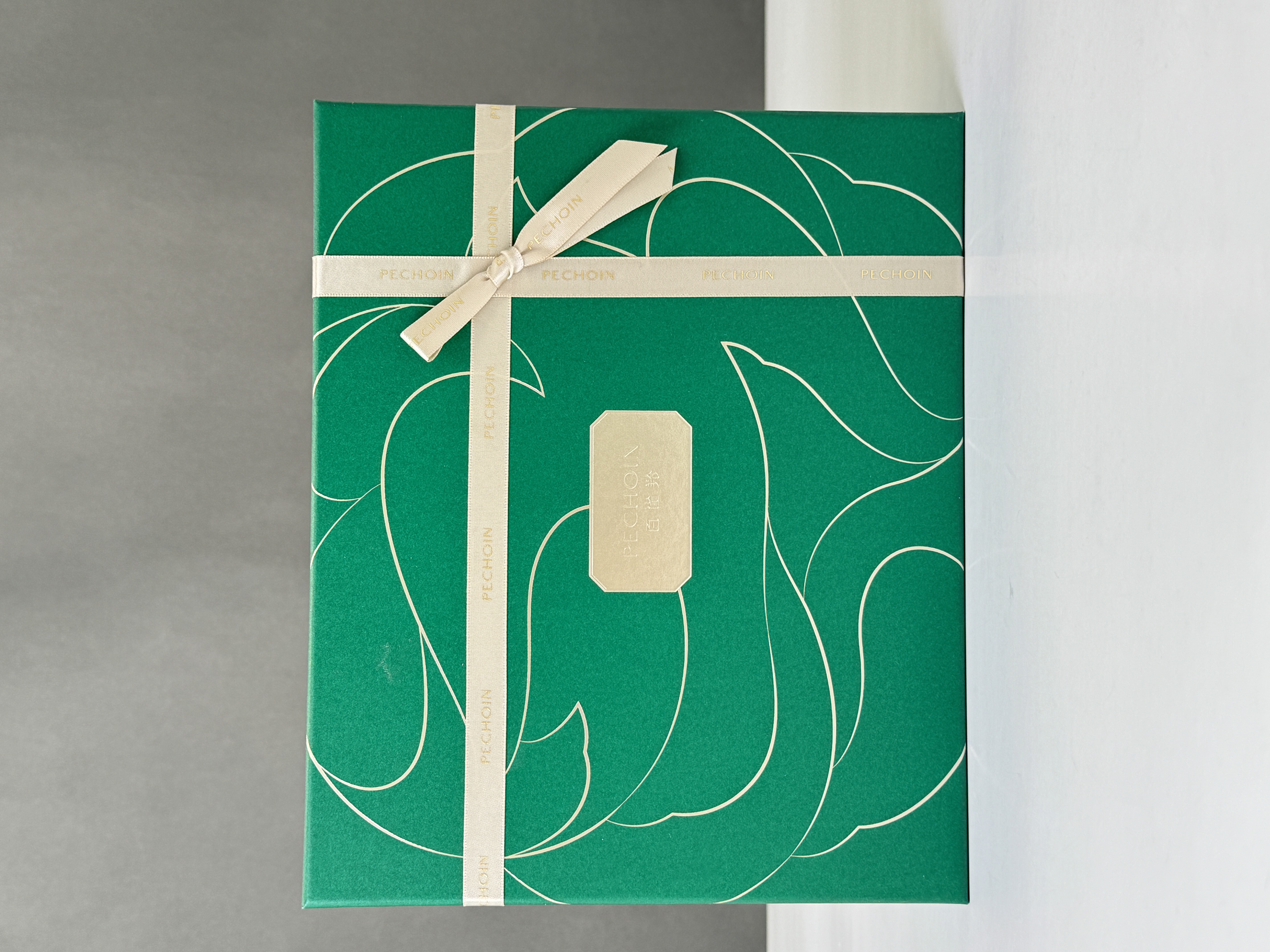
A well-engineered paper box does far more than hold a product. It communicates quality at first touch, resists damage during transit, and preserves its appearance on the retail shelf. The design choices made early in the paper box development process — from material selection to corner construction — determine whether the final paper box performs under pressure or fails when it matters most. This article examines the most impactful design features that enhance paper box strength and stability across packaging applications.
The foundation of any strong paper box lies in the substrate used to construct it. Greyboard, also known as chipboard or rigid board, is one of the most common choices for high-strength paper box construction because it offers excellent compression resistance and dimensional stability. The thickness of the greyboard used inside a paper box — typically measured in millimeters — directly correlates to its resistance against crushing forces. A paper box built on 2mm to 3mm greyboard will withstand significantly greater stacking pressure than a paper box using lighter-weight materials.
The outer wrap of a paper box also contributes to structural performance. Coated art paper, specialty laminate films, or textured wrapping materials add a layer of surface tension that reinforces the rigid core. When these layers are bonded cleanly and evenly, the paper box gains composite strength that neither the board nor the wrap could achieve independently. Delamination — where the wrap separates from the board — is a common failure point in lower-quality paper box production, so consistent adhesive application is essential.
For applications where a paper box must endure heavier loads or repeated handling, layered or double-wall board construction offers added resilience. Some paper box formats incorporate a corrugated flute layer within the board stack, providing a lightweight internal structure that dramatically improves vertical compression strength. This approach is particularly useful when a paper box must be stacked in shipping pallets without collapsing under accumulated weight. The flute pattern in such a paper box acts as a series of micro-columns, distributing load evenly across the base and sidewalls.
Corners are the most vulnerable points in any paper box. In rigid paper box construction, corners are typically reinforced through one of several methods: mitered folding, wrapped corner tabs, or glued multi-layer overlaps. Each method affects how the paper box responds to impact and edge compression. A mitered corner on a rigid paper box creates a clean, flush appearance while maintaining a strong bond at the joint — this is a common feature in premium paper box packaging for cosmetics and luxury goods.
Wrapped corner tabs — where the outer paper folds inward at each corner and adheres to the board interior — add both visual refinement and structural reinforcement to the paper box. This technique prevents corner splitting, which is one of the most common ways a paper box fails during drop or impact testing. The angle at which the paper box corners are constructed affects the overall rigidity of the entire form, so precise die-cutting and folding tolerances are critical at the manufacturing stage.
The relationship between a paper box base and its lid is a major contributor to overall structural stability. A telescoping lid paper box — where the lid slides over the base — relies on a precise fit tolerance to maintain rigidity when closed. If the paper box lid fits too loosely, the structure loses its composite stiffness and becomes prone to racking, where the box shifts diagonally under lateral force. A paper box with a tight, well-calibrated lid-to-base fit behaves as a unified rigid unit, which is significantly stronger than either component alone.
Magnetic closure systems are another design feature that enhances paper box stability. Embedded magnets in both the lid and the base panel of a paper box pull the two components into a consistent closed position, eliminating movement and maintaining the structural alignment of the box during storage and transit. This design detail is widely used in high-end paper box formats and contributes to both functional performance and perceived product quality.
Surface treatments applied to a paper box are not purely decorative — many contribute meaningfully to structural performance. Glossy or matte lamination films applied to the outer wrap of a paper box create a moisture barrier that prevents the board from absorbing ambient humidity. Moisture absorption is one of the leading causes of paper box softening and deformation, particularly in storage environments where temperature and humidity fluctuate. A laminated paper box maintains its original rigidity far longer than an uncoated equivalent under similar conditions.
UV coating and spot varnish treatments add a hardened surface layer to the paper box exterior, reducing the risk of surface denting and scuffing. While these treatments primarily serve aesthetic functions, the added surface hardness indirectly supports the structural integrity of the paper box by protecting the substrate from localized pressure points. For a paper box used in high-turnover retail or e-commerce environments, these surface reinforcements reduce visible wear and maintain the paper box presentation through multiple handling cycles.
Decorative techniques such as foil stamping, embossing, and debossing are applied under significant mechanical pressure during paper box production. When executed correctly, these processes compress the paper box surface slightly, which can locally increase board density and surface hardness at the treated area. A well-embossed paper box panel is often measurably stiffer at the point of embossing compared to the untreated surface nearby. This is a subtle but real structural benefit of these premium finishing methods on a paper box.
A paper box intended for rigid packaging typically uses greyboard between 1.5mm and 3mm in thickness. Heavier greyboard provides greater compression resistance, making it suitable for a paper box that must withstand stacking, shipping, or extended shelf life without deformation.
Humidity is one of the primary causes of paper box weakness over time. Without protective lamination or coating, the board inside a paper box absorbs moisture and loses its rigidity. A properly laminated paper box resists humidity-related softening and maintains its original structural integrity across varying storage conditions.
Yes, certain decorative finishes do contribute to paper box durability. Lamination films add moisture resistance, UV coatings harden the surface, and embossing can locally compress the paper box substrate. While aesthetics drive most finish decisions, the structural benefits to the paper box are a meaningful secondary advantage in high-performance packaging design.

 EN
EN
 Request An Estimate
 Projects