
Eco Friendly Packaging Printing Solutions | Sustainable Custom Packaging Services

One free digital sample for orders over $500
For orders over $7,500, a voucher worth $500 will be given, which can be deducted from the next big shipment or proof.

eco friendly packaging printing

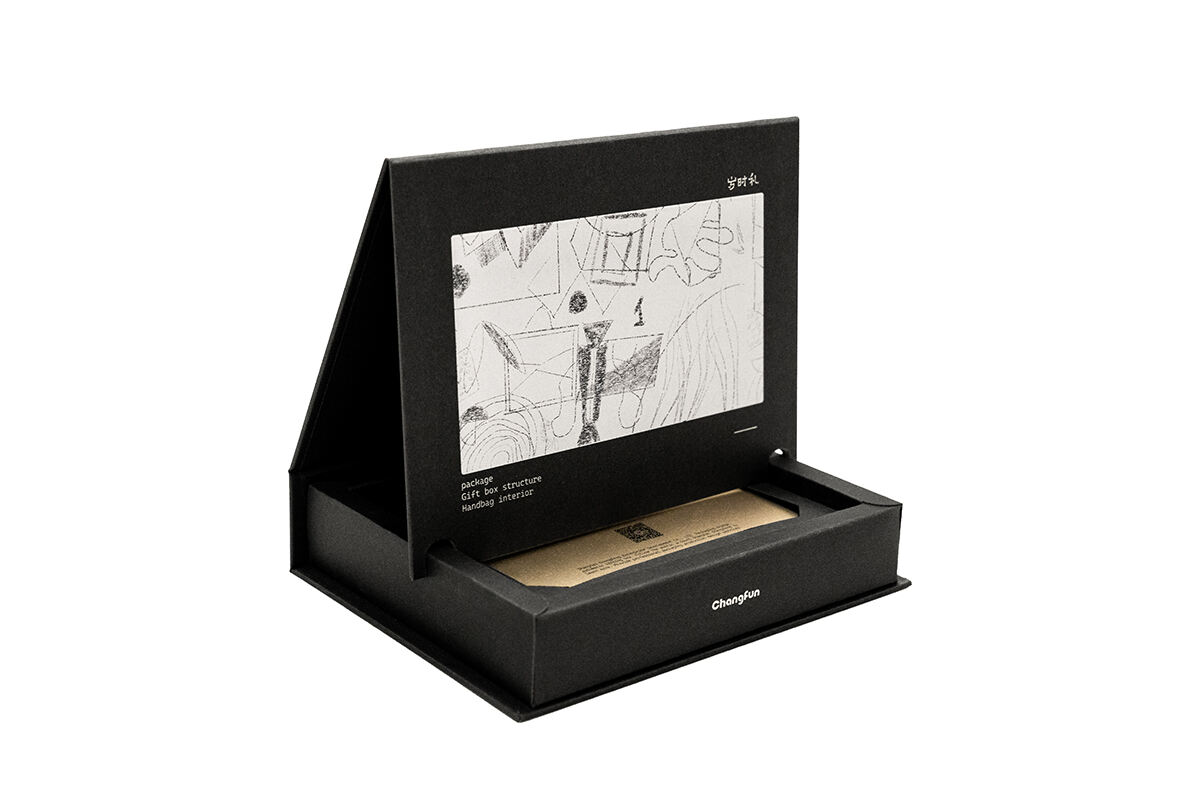
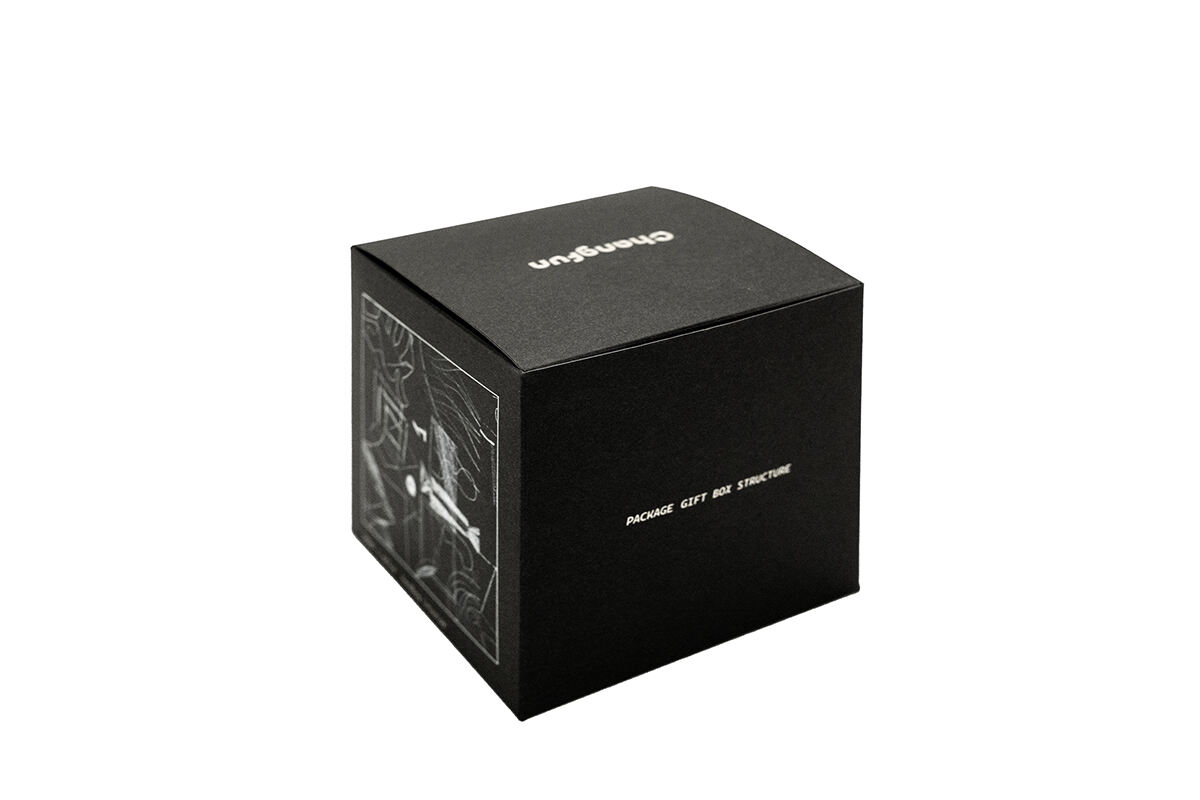
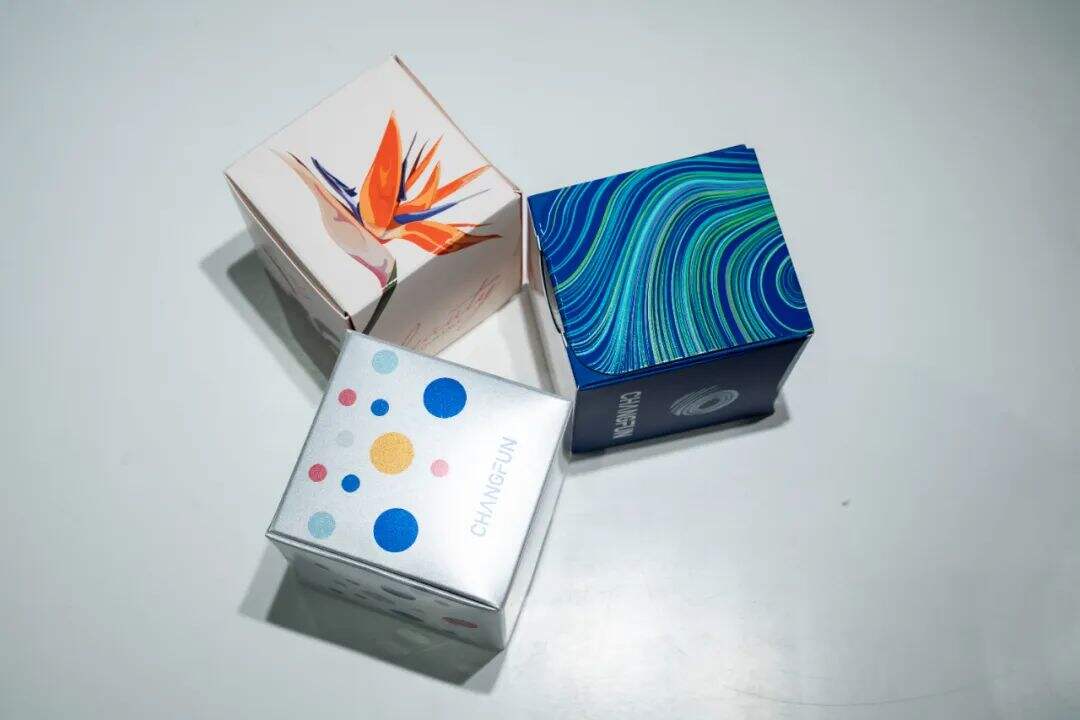
Eco friendly packaging printing represents a revolutionary approach to sustainable product packaging that combines advanced printing technologies with environmentally responsible materials and processes. This innovative printing method utilizes biodegradable inks, recycled substrates, and energy-efficient production techniques to create packaging solutions that minimize environmental impact while maintaining superior quality and visual appeal. The core function of eco friendly packaging printing involves transforming sustainable raw materials into attractive, functional packaging through specialized printing processes that reduce waste, emissions, and resource consumption. Modern eco friendly packaging printing employs cutting-edge digital printing technologies, water-based inks derived from natural sources, and renewable energy systems to achieve exceptional print quality with reduced carbon footprint. The technological features include advanced color management systems that optimize ink usage, precision application methods that eliminate overprinting, and integrated recycling processes that capture and reuse production materials. These systems incorporate intelligent monitoring technologies that track resource consumption, waste generation, and energy usage throughout the production cycle. Applications span across diverse industries including food and beverage, cosmetics, pharmaceuticals, electronics, and retail consumer goods. Companies utilize eco friendly packaging printing for product labels, shipping boxes, promotional materials, protective packaging, and branded merchandise. The versatility of this printing approach enables customization for various substrate materials including recycled cardboard, biodegradable plastics, hemp-based papers, and bamboo fiber composites. Manufacturing facilities implementing eco friendly packaging printing often integrate solar energy systems, water recycling infrastructure, and waste reduction protocols to maximize environmental benefits. The technology supports both small-scale boutique production and large-volume commercial operations, making sustainable packaging accessible across different business scales and industries while maintaining cost-effectiveness and production efficiency.

New Product Releases

Eco friendly packaging printing delivers substantial cost savings by reducing raw material expenses through efficient resource utilization and waste minimization strategies. Companies implementing these sustainable printing methods experience decreased operational costs due to lower energy consumption, reduced disposal fees, and optimized material usage. The advanced technology eliminates excessive ink application and substrate waste, directly translating to significant budget reductions for businesses of all sizes. Customers benefit from enhanced brand reputation and market positioning when they choose eco friendly packaging printing, as consumers increasingly prefer environmentally responsible products and packaging solutions. This printing approach provides superior durability and protection compared to traditional methods, ensuring products remain secure during transportation and storage while maintaining visual appeal throughout the supply chain. The biodegradable inks and sustainable substrates resist fading, moisture damage, and physical wear, extending the functional lifespan of packaging materials. Businesses gain competitive advantages through compliance with evolving environmental regulations and sustainability requirements imposed by governments and industry standards. Eco friendly packaging printing enables companies to meet strict environmental certifications, access green procurement contracts, and satisfy eco-conscious consumer demands without compromising product quality or aesthetic appeal. The printing process offers exceptional versatility in design options, color reproduction, and finishing techniques, allowing brands to create distinctive packaging that stands out in competitive markets. Production timelines remain efficient despite the sustainable approach, with modern eco friendly packaging printing systems delivering rapid turnaround times comparable to conventional printing methods. Quality control measures ensure consistent results across large production runs while maintaining environmental standards. The technology supports variable data printing capabilities, enabling personalized packaging solutions and targeted marketing campaigns. Supply chain benefits include reduced transportation costs due to lighter-weight sustainable materials and improved inventory management through optimized packaging dimensions. Long-term financial advantages encompass reduced liability from environmental compliance issues, enhanced customer loyalty, and access to sustainability-focused investment opportunities that favor environmentally responsible business practices.

Latest News

How Do Flower Boxes Enhance the Luxury Feel of Cosmetic Packaging?

09

Sep

How Do Flower Boxes Enhance the Luxury Feel of Cosmetic Packaging?

The Role of Flower Boxes in Luxury Cosmetic Packaging Growing Popularity of Floral Designs in Premium Branding Floral designs in luxury cosmetic packaging are gaining momentum as they enhance brand identity and create an emotional connection with co...
View More
How Offset Printing Delivers Superior Results for Paperboard

28

Sep

How Offset Printing Delivers Superior Results for Paperboard

Understanding the Art of Premium Paperboard Production In the world of commercial printing, achieving exceptional quality on paperboard requires mastery of sophisticated printing techniques. Offset printing stands as the gold standard for delivering ...
View More
Custom Holographic Paper: Cost and Quality Guide

20

Oct

Custom Holographic Paper: Cost and Quality Guide

Understanding the Magic of Holographic Materials in Modern Printing The alluring world of holographic paper has revolutionized the packaging and printing industry, offering an enchanting blend of visual appeal and practical functionality. This remark...
View More
Eco Friendly Packaging Trends Reshaping Retail in 2025

20

Oct

Eco Friendly Packaging Trends Reshaping Retail in 2025

The Revolution of Sustainable Packaging Solutions in Modern Retail The landscape of retail packaging is undergoing a dramatic transformation as businesses and consumers alike embrace eco friendly packaging solutions. This shift represents more than j...
View More

Get a Free Quote

Our representative will contact you soon.
Email
Name
Company Name
Interested Products
Please enter your interested products
Message
0/1000

eco friendly packaging printing

Revolutionary Biodegradable Ink Technology

Revolutionary Biodegradable Ink Technology

The cornerstone of eco friendly packaging printing lies in its revolutionary biodegradable ink technology that transforms traditional printing processes into environmentally sustainable operations. These innovative inks are formulated from renewable plant-based sources, including soy proteins, vegetable oils, and natural mineral pigments that break down completely in composting environments within months rather than decades. Unlike petroleum-based conventional inks that release harmful volatile organic compounds during production and application, biodegradable inks maintain air quality standards while delivering vibrant, long-lasting colors that exceed customer expectations. The advanced formulation process incorporates cutting-edge chemistry that ensures optimal adhesion to various sustainable substrates while maintaining print clarity and color intensity throughout the product lifecycle. Manufacturing facilities utilizing this biodegradable ink technology benefit from reduced ventilation requirements, lower worker exposure to toxic substances, and simplified waste management protocols that eliminate hazardous material disposal costs. The ink composition allows for complete recyclability of printed materials, enabling closed-loop packaging systems where used materials become inputs for new packaging production. Quality control testing demonstrates that biodegradable inks provide superior fade resistance compared to traditional alternatives, ensuring brand colors remain consistent and attractive even under challenging environmental conditions including direct sunlight, moisture exposure, and temperature fluctuations. The technology supports high-resolution printing capabilities suitable for detailed graphics, small text, and complex design elements required for modern packaging applications. Production efficiency improvements result from faster drying times and reduced curing requirements, enabling higher throughput and shorter lead times for customer orders. Environmental impact assessments show that biodegradable ink technology reduces carbon emissions by up to sixty percent compared to conventional printing processes while eliminating toxic runoff that contaminates water systems and soil environments.
Advanced Substrate Integration Systems

Advanced Substrate Integration Systems

Eco friendly packaging printing incorporates advanced substrate integration systems that seamlessly combine diverse sustainable materials into cohesive, high-performance packaging solutions tailored to specific industry requirements and environmental objectives. These sophisticated systems process recycled cardboard, bamboo fiber composites, hemp-based papers, biodegradable plastics, and innovative materials derived from agricultural waste streams including wheat straw, rice husks, and corn stalks. The integration technology employs precision feeding mechanisms, automated material handling systems, and intelligent quality monitoring that ensures consistent substrate preparation and optimal printing conditions across different material types. Advanced adhesion enhancement techniques enable superior ink bonding to various substrate surfaces without requiring chemical pre-treatments that introduce environmental contaminants or processing complexities. The system architecture includes modular components that accommodate substrate thickness variations, surface texture differences, and material flexibility requirements while maintaining print registration accuracy and color consistency. Substrate preparation protocols incorporate cleaning, conditioning, and surface optimization steps that maximize ink receptivity and print quality while preserving the inherent environmental benefits of sustainable materials. Integration systems support mixed-media packaging designs that combine multiple substrate types within single packaging units, enabling innovative structural designs and enhanced functionality while maintaining sustainability objectives. Quality control sensors continuously monitor substrate properties including moisture content, surface roughness, and dimensional stability to ensure optimal printing conditions and prevent production defects. The technology enables efficient substrate changeover procedures that minimize production downtime and material waste during transitions between different packaging projects. Environmental benefits multiply through substrate integration systems that prioritize locally sourced materials, reducing transportation emissions and supporting regional sustainable agriculture initiatives. Advanced substrate integration contributes to circular economy principles by enabling post-consumer packaging materials to re-enter production cycles as high-quality printing substrates.
Energy-Efficient Production Infrastructure

Energy-Efficient Production Infrastructure

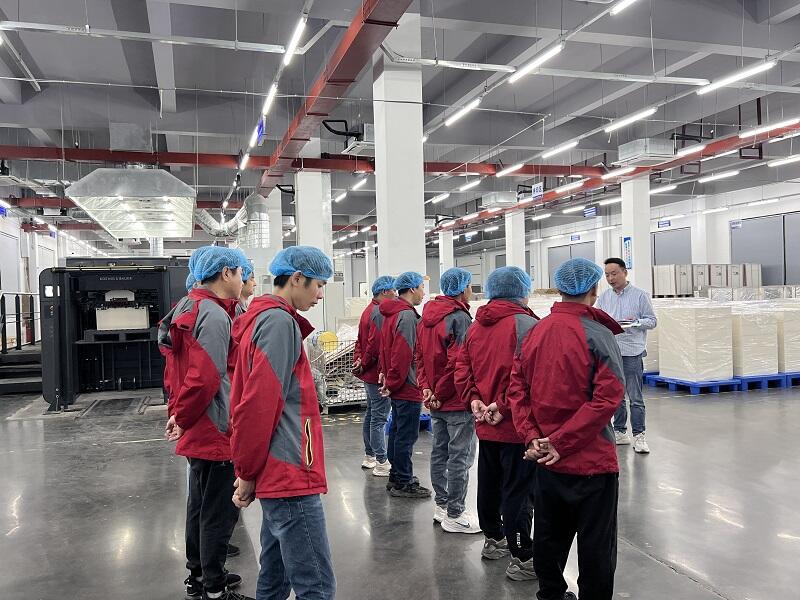
The energy-efficient production infrastructure of eco friendly packaging printing revolutionizes manufacturing operations through integrated renewable energy systems, intelligent power management, and optimized equipment configurations that dramatically reduce environmental impact while enhancing operational efficiency. Solar panel installations, wind energy integration, and geothermal systems power printing facilities with clean, renewable energy sources that eliminate dependence on fossil fuel-based electricity generation. Advanced power management systems incorporate smart grid technology, energy storage solutions, and demand optimization algorithms that maximize renewable energy utilization while minimizing peak power consumption and associated costs. The infrastructure includes high-efficiency LED lighting systems, variable-speed motor drives, and heat recovery ventilation that collectively reduce energy consumption by up to seventy percent compared to conventional printing facilities. Intelligent scheduling systems coordinate production activities with renewable energy availability, automatically adjusting printing schedules to maximize solar and wind power utilization while maintaining delivery commitments and customer satisfaction. Equipment selection prioritizes energy-efficient printing presses, digital systems with reduced power requirements, and auxiliary equipment designed for minimal energy consumption without compromising performance or output quality. Waste heat recovery systems capture thermal energy from printing processes and redirect it for facility heating, substrate conditioning, and ink warming applications, further improving overall energy efficiency and reducing operational costs. Real-time energy monitoring provides detailed consumption analytics that enable continuous optimization of production processes, equipment utilization, and facility operations to achieve maximum efficiency gains. The infrastructure supports carbon-neutral production goals through comprehensive energy management that balances renewable generation with consumption patterns, energy storage optimization, and grid interaction strategies. Maintenance protocols emphasize preventive care that maintains peak equipment efficiency, reduces energy waste from poorly performing systems, and extends equipment lifespan to maximize return on sustainable technology investments. Building design incorporates passive energy strategies including natural lighting optimization, thermal mass utilization, and airflow management that reduce HVAC requirements and create comfortable working environments while supporting overall sustainability objectives.

Get a Free Quote

Our representative will contact you soon.
Email
Name
Company Name
Interested Products
Please enter your interested products
Message
0/1000