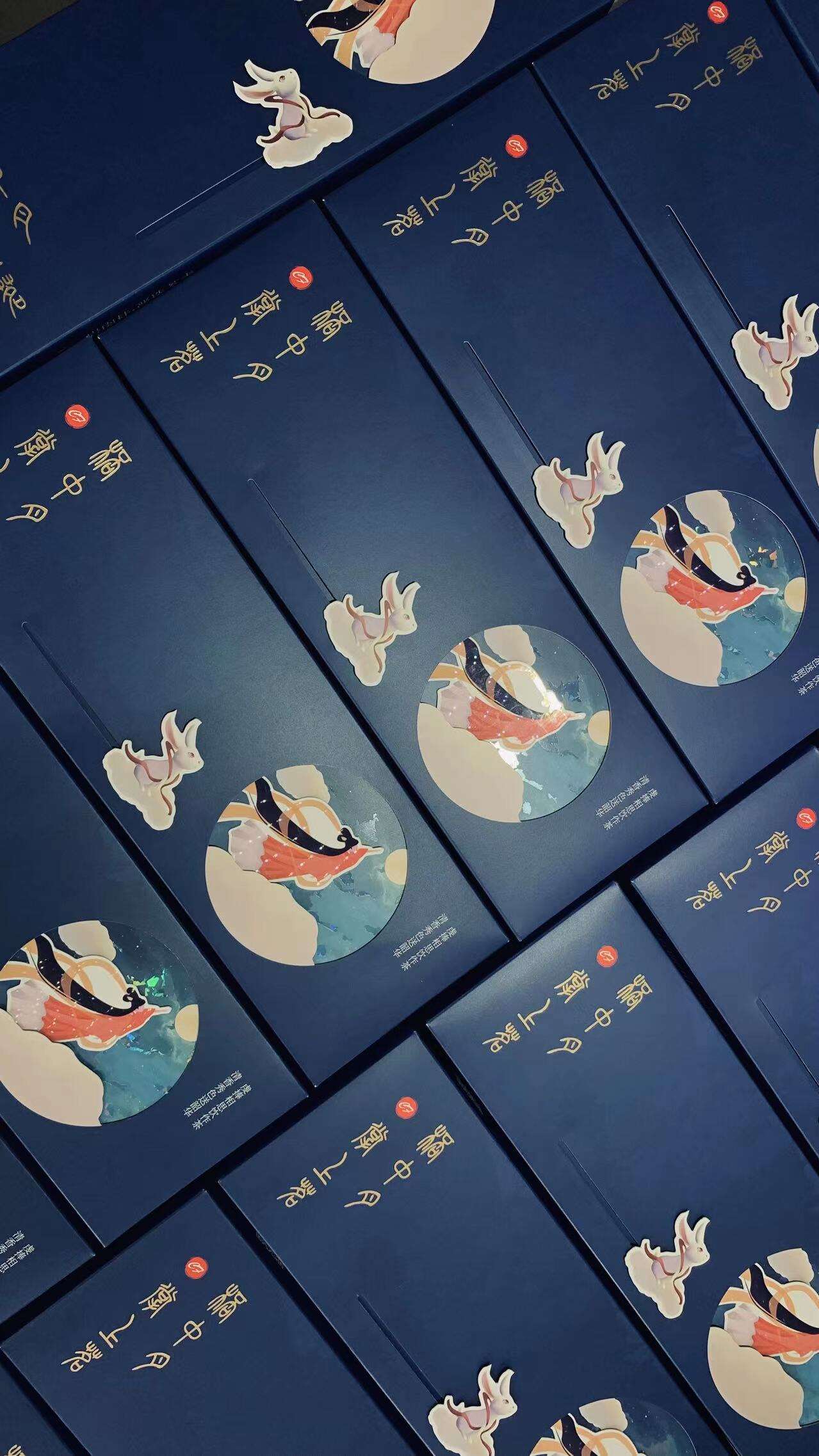
Custom Packaging Solutions: Revolutionary Design & Sustainable Materials for Enhanced Brand Protection

One free digital sample for orders over $500
For orders over $7,500, a voucher worth $500 will be given, which can be deducted from the next big shipment or proof.

packaging customization

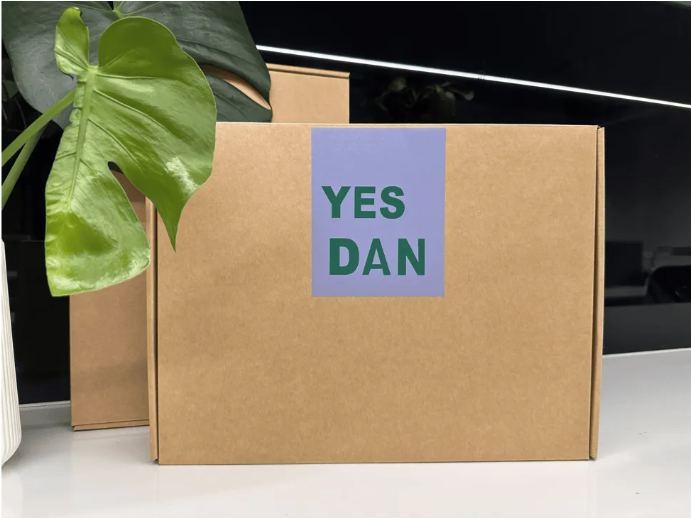
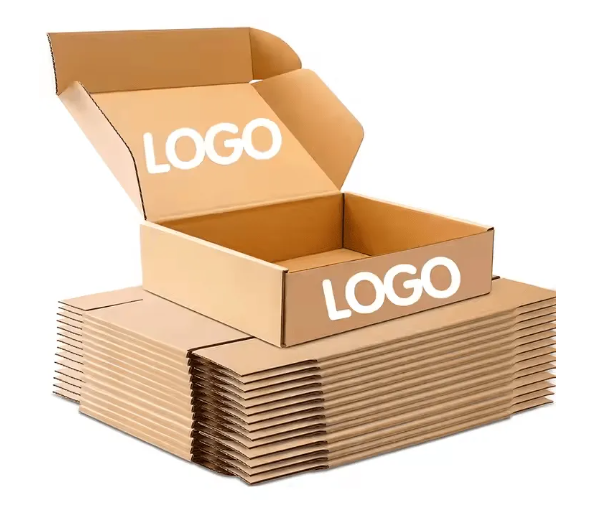
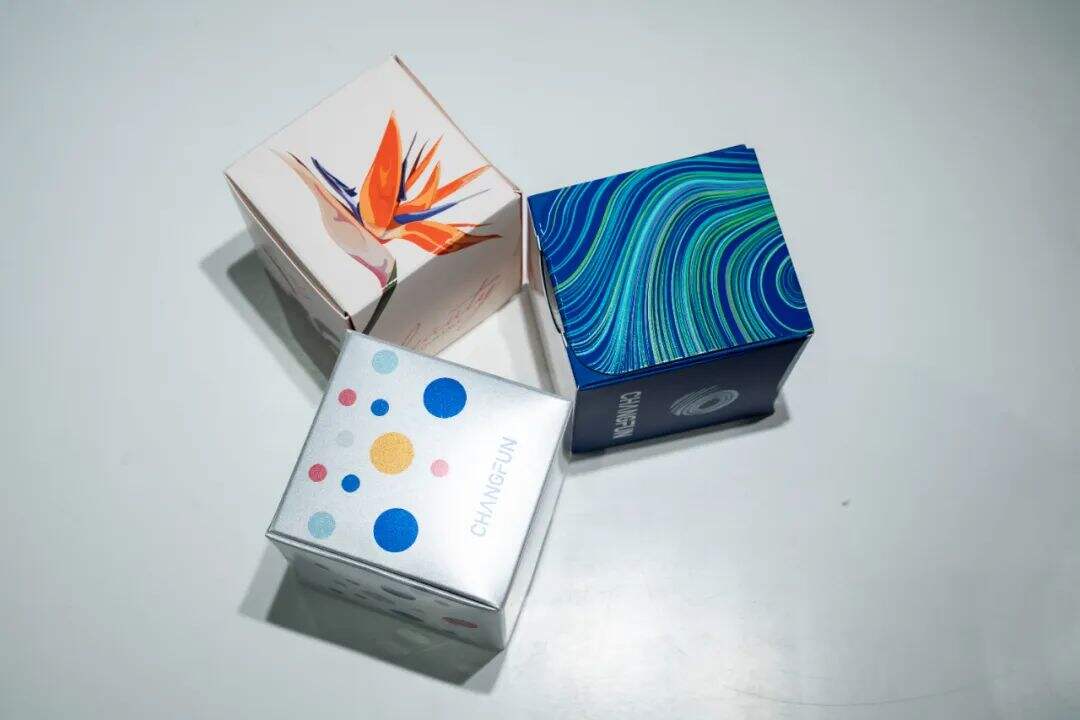
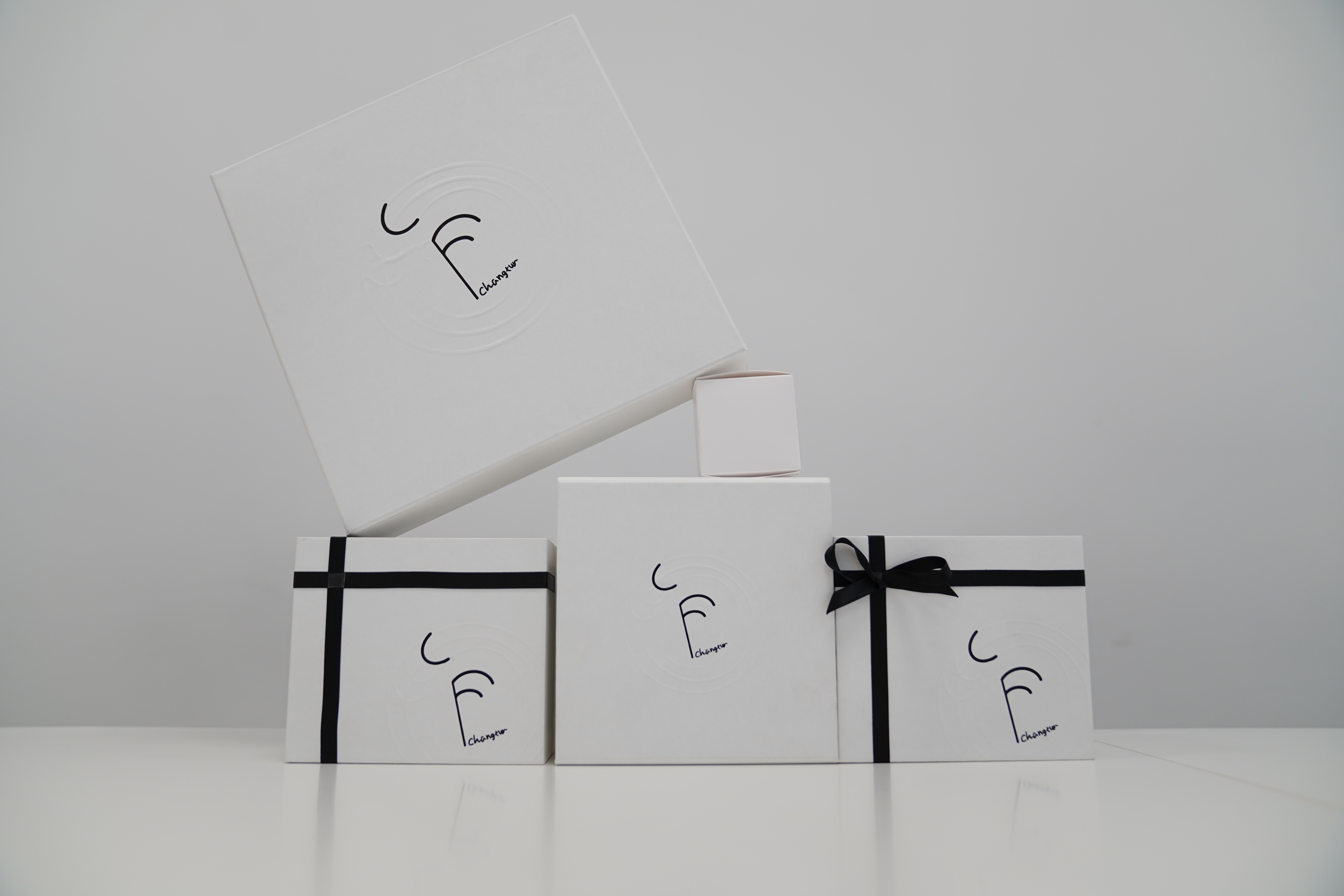
Packaging customization represents a comprehensive solution that transforms standard packaging into tailored marketing tools and functional designs that align with specific brand requirements and product characteristics. This innovative approach encompasses the entire process of designing, manufacturing, and producing unique packaging solutions that serve multiple purposes beyond basic product protection. Modern packaging customization leverages advanced printing technologies, sustainable materials, and cutting-edge design software to create distinctive packages that enhance brand visibility, improve customer experience, and optimize supply chain efficiency. The core functions of packaging customization include brand differentiation through visual identity integration, product protection through engineered materials and structural design, and consumer engagement through interactive elements and premium aesthetics. Technological features driving today's packaging customization include digital printing capabilities that enable short-run productions, computer-aided design systems that facilitate rapid prototyping, automated cutting and folding machinery that ensures precision manufacturing, and smart packaging integration that incorporates QR codes, NFC chips, and temperature sensors. Material innovation plays a crucial role, offering options ranging from biodegradable plastics and recycled cardboard to premium substrates like metallic finishes and textured surfaces. Applications span numerous industries, from e-commerce businesses seeking memorable unboxing experiences to pharmaceutical companies requiring specialized protective packaging. Food and beverage sectors utilize packaging customization for seasonal promotions and limited edition releases, while luxury goods manufacturers depend on premium packaging to reinforce their brand positioning. The process typically begins with consultation and design conceptualization, followed by material selection, prototype development, testing phases, and final production scaling. Quality control measures ensure consistency across production runs, while logistics coordination guarantees timely delivery. This comprehensive approach makes packaging customization an essential strategy for businesses aiming to differentiate their products in competitive markets while maintaining operational efficiency and environmental responsibility.

New Product Recommendations

Packaging customization delivers significant competitive advantages that directly impact business growth and customer satisfaction. Companies implementing custom packaging solutions typically experience increased brand recognition, as unique designs create memorable visual impressions that distinguish products from competitors on crowded retail shelves. This enhanced visibility translates into higher conversion rates and improved customer acquisition costs, making marketing budgets more effective. Custom packaging also strengthens brand loyalty by creating emotional connections with consumers through personalized experiences and premium presentation quality. Businesses gain greater flexibility in product launches and promotional campaigns, enabling rapid response to market trends and seasonal opportunities without being constrained by generic packaging limitations. Cost efficiency emerges as another major benefit, particularly for companies with consistent volume requirements, as bulk ordering of custom designs often results in lower per-unit costs compared to premium off-the-shelf alternatives. Supply chain optimization becomes achievable through packaging customization, as tailored dimensions reduce shipping costs, minimize waste, and improve warehouse storage efficiency. Environmental benefits align with corporate sustainability goals, as custom solutions can incorporate eco-friendly materials and minimize packaging waste through precise sizing and material selection. Quality control improvements result from working directly with packaging specialists who understand specific product requirements and can engineer solutions that prevent damage during transportation and storage. Market differentiation accelerates through packaging customization, enabling businesses to command premium pricing and establish distinct market positioning. Customer acquisition costs decrease as attractive packaging generates organic social media exposure through unboxing experiences and word-of-mouth recommendations. International expansion becomes more manageable with custom packaging that accommodates different regulatory requirements, languages, and cultural preferences across global markets. Sales team effectiveness increases when products arrive with professional presentation that reinforces brand credibility and value proposition. Product protection improvements reduce return rates and customer complaints, while specialized designs can extend shelf life and maintain product integrity throughout distribution channels. These advantages combine to create measurable returns on investment that justify packaging customization initiatives across diverse business sectors.

Latest News

Eco-Friendly Flower Boxes: The Future of Cosmetic Packaging?

09

Sep

Eco-Friendly Flower Boxes: The Future of Cosmetic Packaging?

The Rise of Eco-Friendly Flower Boxes in Cosmetic Packaging Shifting Consumer Preferences Toward Sustainability There is a notable shift in consumer preferences towards brands that adopt sustainable practices, with over 70% of consumers favoring env...
View More
Custom Product Packaging: Cost vs Brand Impact Analysis

21

Aug

Custom Product Packaging: Cost vs Brand Impact Analysis

Custom Product Packaging: Cost vs Brand Impact Analysis In modern markets where competition is fierce and consumer expectations evolve rapidly, packaging is no longer a secondary concern. It is now a critical factor influencing how products are perce...
View More
Custom Holographic Paper: Cost and Quality Guide

20

Oct

Custom Holographic Paper: Cost and Quality Guide

Understanding the Magic of Holographic Materials in Modern Printing The alluring world of holographic paper has revolutionized the packaging and printing industry, offering an enchanting blend of visual appeal and practical functionality. This remark...
View More
Eco Friendly Packaging Trends Reshaping Retail in 2025

20

Oct

Eco Friendly Packaging Trends Reshaping Retail in 2025

The Revolution of Sustainable Packaging Solutions in Modern Retail The landscape of retail packaging is undergoing a dramatic transformation as businesses and consumers alike embrace eco friendly packaging solutions. This shift represents more than j...
View More

Get a Free Quote

Our representative will contact you soon.
Email
Name
Company Name
Interested Products
Please enter your interested products
Message
0/1000

packaging customization

Revolutionary Digital Printing Technology for Small-Batch Excellence

Revolutionary Digital Printing Technology for Small-Batch Excellence

Packaging customization has been transformed by revolutionary digital printing technology that enables businesses to produce high-quality, professional packaging in quantities as small as 100 units without compromising on visual impact or structural integrity. This breakthrough technology eliminates traditional barriers associated with custom packaging, such as expensive plate-making costs and minimum order requirements that previously made customization accessible only to large corporations with substantial budgets. Digital printing systems utilize advanced inkjet technology and specialized UV-curing processes to deliver vibrant colors, sharp text definition, and intricate graphic details that rival traditional offset printing methods. The technology supports variable data printing, enabling businesses to create personalized packaging with unique serial numbers, customer names, or region-specific information within the same production run. This capability proves invaluable for e-commerce businesses seeking to create personalized customer experiences, seasonal promotional campaigns, or limited edition product releases. Environmental benefits emerge through reduced waste, as digital printing eliminates the need for printing plates and enables precise quantity production that prevents excess inventory. The speed of digital production allows for rapid prototyping and quick turnaround times, enabling businesses to test market responses and iterate designs without significant financial commitments. Color accuracy remains consistent throughout production runs thanks to automated color management systems and real-time quality monitoring. Substrate versatility accommodates various materials including corrugated cardboard, paperboard, plastic films, and specialty finishes, providing design flexibility for different product categories and brand aesthetics. Cost-effectiveness becomes apparent when comparing total project expenses, as digital printing reduces setup costs, eliminates minimum order penalties, and enables just-in-time production that aligns with inventory management strategies. This technology empowers small businesses and startups to compete with established brands through professional packaging presentation while maintaining budget control and operational flexibility that supports business growth and market experimentation.
Sustainable Materials Engineering for Environmental Leadership

Sustainable Materials Engineering for Environmental Leadership

Packaging customization now incorporates advanced sustainable materials engineering that enables businesses to achieve environmental leadership while maintaining superior product protection and aesthetic appeal. This comprehensive approach addresses growing consumer demand for eco-friendly packaging solutions without sacrificing functionality or visual impact that drives purchase decisions. Modern sustainable packaging materials include biodegradable plastics derived from plant-based sources, recycled content substrates that maintain structural integrity, and innovative fiber alternatives created from agricultural waste products like bamboo and wheat straw. These materials undergo rigorous testing to ensure they meet or exceed traditional packaging performance standards for moisture resistance, compression strength, and barrier protection. The engineering process considers entire product lifecycles, from raw material sourcing and manufacturing carbon footprints to end-of-life disposal and composting compatibility. Water-based inks and adhesives replace solvent-based alternatives, reducing volatile organic compound emissions during production and improving indoor air quality in manufacturing facilities. Packaging customization specialists work with certified suppliers who maintain sustainable forestry practices and implement circular economy principles throughout their operations. Design optimization reduces material usage through structural engineering that maintains protection while minimizing waste, often achieving 20-30 percent material reductions compared to standard packaging approaches. Compostable coatings and barriers enable food packaging applications while maintaining necessary oxygen and moisture protection requirements. Recycling compatibility ensures that custom packaging integrates seamlessly with existing waste management systems, improving consumer adoption and environmental impact. Supply chain transparency provides businesses with detailed environmental impact reports and carbon footprint calculations that support sustainability reporting requirements. Consumer education elements can be integrated into packaging design, providing clear disposal instructions and environmental impact information that enhances brand reputation. Cost parity with traditional materials has been achieved through economies of scale and manufacturing process improvements, eliminating price premiums that previously limited sustainable packaging adoption. These engineering advances position businesses as environmental leaders while meeting practical requirements for product protection, shelf appeal, and operational efficiency.
Advanced Structural Design for Enhanced Product Protection

Advanced Structural Design for Enhanced Product Protection

Packaging customization employs advanced structural design principles that revolutionize product protection capabilities while optimizing material usage and transportation efficiency. This engineering-focused approach analyzes specific product vulnerabilities, shipping conditions, and handling requirements to create packaging solutions that significantly reduce damage rates and associated costs. Finite element analysis software models stress distribution and impact resistance, enabling engineers to identify optimal structural configurations that provide maximum protection with minimal material investment. Cushioning systems integrate shock-absorbing materials and geometric designs that dissipate energy during drops and impacts, protecting delicate electronics, glassware, and precision instruments throughout distribution networks. Temperature-resistant designs accommodate products requiring specific environmental conditions, incorporating insulation layers and thermal barriers that maintain product integrity during seasonal temperature variations and extended shipping periods. Moisture control mechanisms include vapor barriers, desiccant integration, and ventilation systems that prevent condensation and humidity damage for sensitive products like pharmaceuticals and food items. Compression resistance optimization prevents crushing damage during stacking and storage, utilizing corrugated structures and reinforcement techniques that maintain package integrity under substantial loads. Tamper-evident features provide security and authenticity verification through specialized closure systems and indicator mechanisms that reveal unauthorized access attempts. Modular design approaches enable efficient packaging of product variations and accessory combinations while maintaining consistent protection levels and brand presentation. Automation-friendly designs facilitate high-speed packaging line integration and robotic handling, reducing labor costs and improving production efficiency. Transportation optimization considers pallet configurations and truck loading patterns to maximize shipping density while maintaining protection standards. Testing protocols validate design performance through simulated distribution environments, including vibration tables, drop tests, and compression analysis that ensure real-world effectiveness. Quality assurance systems monitor protection performance through damage rate tracking and customer feedback analysis, enabling continuous improvement and design optimization. Cost-benefit analysis demonstrates that superior structural design reduces total cost of ownership through decreased damage rates, reduced insurance claims, and improved customer satisfaction scores that drive repeat business and positive reviews.

Get a Free Quote

Our representative will contact you soon.
Email
Name
Company Name
Interested Products
Please enter your interested products
Message
0/1000