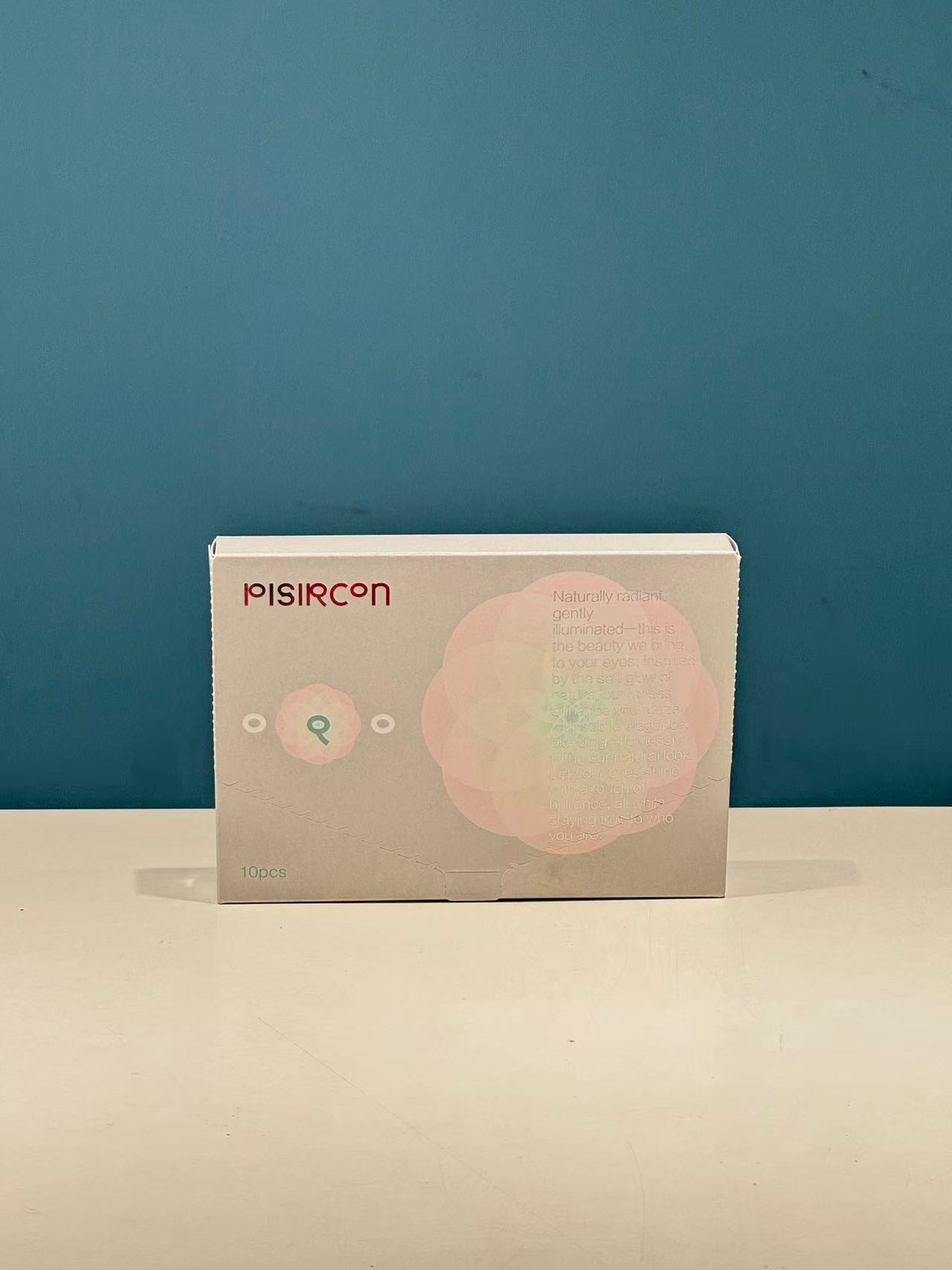
Paper boxes serve as the foundation of modern packaging across countless industries, from cosmetics to electronics to pharmaceuticals. The durability and stability of paper boxes directly impact product protection, brand reputation, and customer satisfaction. Understanding which design features strengthen paper boxes is essential for businesses that depend on reliable packaging solutions. Strong paper boxes reduce shipping damage, minimize customer complaints, and enhance the unboxing experience. In competitive markets, selecting paper boxes with superior durability becomes a strategic business advantage.
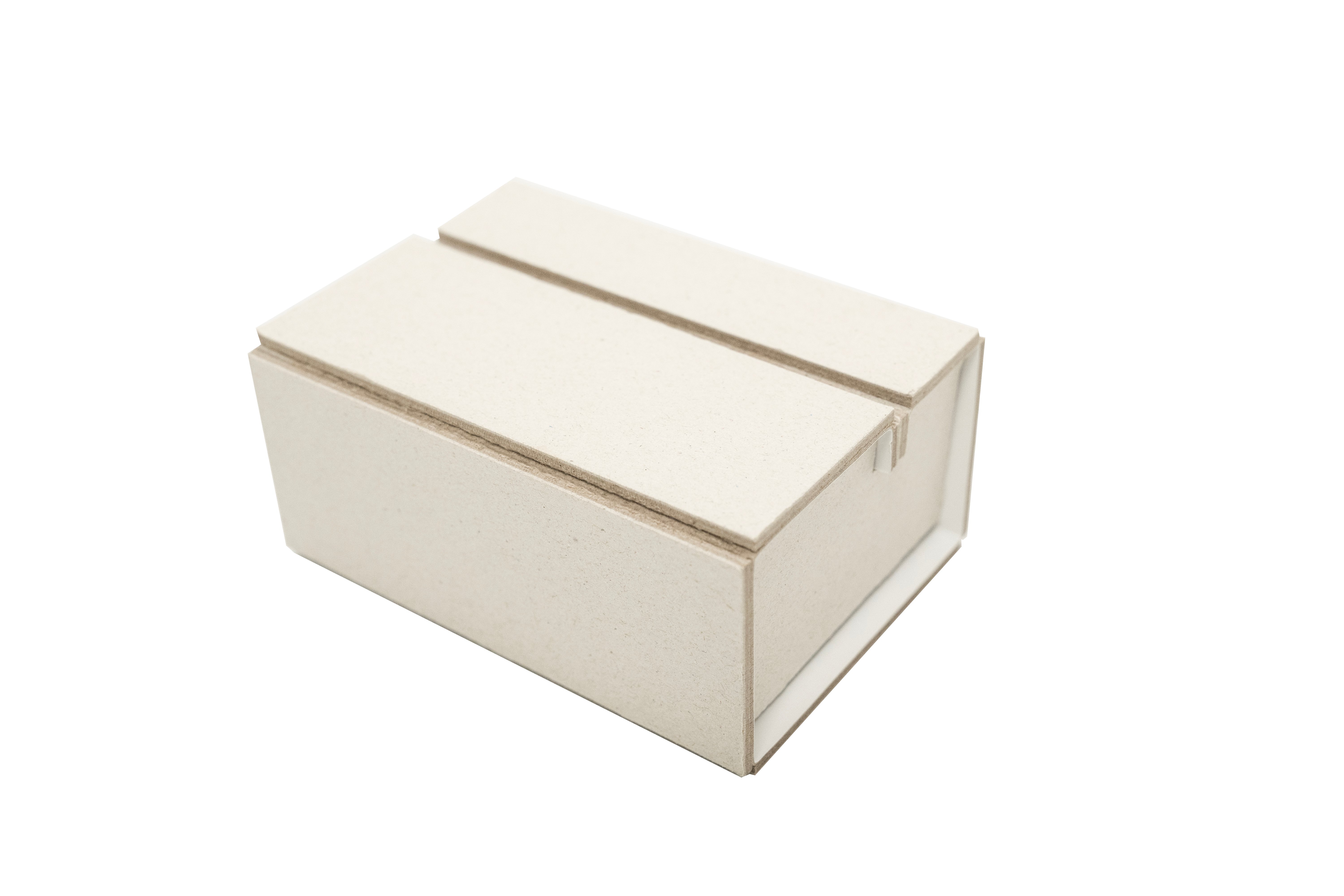
The design of paper boxes determines how well they withstand compression, impacts, moisture, and handling stress during storage and transport. Modern paper boxes incorporate multiple structural innovations that work together to create robust, long-lasting packaging. When manufacturers and brands understand these design principles, they can specify paper boxes that meet exact durability requirements while maintaining cost efficiency. This guide explores the critical design features that elevate paper boxes performance and explains how each element contributes to overall packaging reliability.
The internal wave-shaped structure inside paper boxes, called fluting, creates air pockets that dramatically increase strength without adding weight. Different flute profiles—such as A, B, C, E, and F flutes—offer varying levels of rigidity and crush resistance. Paper boxes with double-wall or triple-wall corrugation provide exceptional durability for heavy items or long-distance shipping. The choice of flute size directly impacts how paper boxes handle compression forces during stacking and transport. Heavier products require paper boxes with more robust flute architecture to prevent collapse and maintain product integrity throughout the supply chain.
The edges and corners of paper boxes experience the highest stress during handling and stacking operations. Advanced paper boxes designs incorporate edge boards, corner locks, and edge post reinforcements that concentrate strength precisely where damage is most likely to occur. These reinforcements prevent corner crush, delamination, and structural failure in paper boxes exposed to repeated handling. Many premium paper boxes utilize interlocking corner designs that distribute load more evenly across the box structure. Strengthened corners ensure that paper boxes maintain their shape and protective capabilities from warehouse to final delivery.
The quality of raw materials directly determines how durable paper boxes become. Higher basis weight kraft paper provides superior tear resistance and puncture protection in paper boxes. Virgin fiber content in paper boxes offers better strength compared to recycled fibers alone, though optimized blends create cost-effective paper boxes without sacrificing durability. The paper grade affects how paper boxes respond to moisture, temperature fluctuations, and mechanical stress. Selecting appropriate kraft grades ensures that paper boxes deliver consistent performance across different storage environments and shipping conditions without deterioration.
Environmental exposure significantly impacts paper boxes durability, particularly in humid or outdoor storage conditions. Wax coatings, polyethylene films, and water-resistant treatments applied to paper boxes create barriers against moisture absorption and dimensional changes. Coated paper boxes maintain structural integrity even when exposed to rain, humidity, or condensation during transport. These protective treatments prevent the cardboard softening that compromises paper boxes strength in wet environments. Specialized paper boxes with moisture-resistant properties ensure products remain protected during supply chain delays or humid climate shipping.
The base design of paper boxes determines stacking stability and weight distribution capabilities. Paper boxes with reinforced bottom panels and extended flange designs prevent sagging under load when stacked multiple units high. The interior support structures inside paper boxes, such as partition inserts and dividers, distribute weight and prevent product shifting that destabilizes the box. Well-designed paper boxes maintain center of gravity consistency, reducing toppling and collapse risks in warehouse environments. Superior base engineering transforms paper boxes into reliable load-bearing containers capable of supporting substantial weight without deformation.
How paper boxes are sealed dramatically affects their stability and integrity during transport. Double-line taping on the top and bottom seams of paper boxes creates redundant closure systems that prevent accidental opening. H-pattern tape application across paper boxes seams distributes tensile stress and resists tear propagation. The quality of adhesive tapes used on paper boxes determines how well closures maintain integrity when exposed to temperature changes and vibration. Properly sealed paper boxes withstand mechanical abuse, preventing contents from shifting or compromising the overall box structure during dynamic transport conditions.
Modern paper boxes design uses sophisticated engineering to optimize how internal forces distribute throughout the structure. Curved surfaces and strategic thickness variations in paper boxes concentrate material where stress is highest, improving durability without excessive weight. Computer-aided analysis allows designers to refine paper boxes geometry, ensuring every millimeter contributes to stability and crush resistance. The relationship between box height, width, and depth in paper boxes impacts how products distribute weight and how the box responds to external forces. Engineered paper boxes with optimized proportions deliver superior protection for diverse product types and weights.
Professional paper boxes increasingly include features specifically designed for transit protection. Perforated panels in paper boxes allow for controlled impact absorption while maintaining structural integrity. Specialized indentations and scoring patterns in paper boxes create flex points that absorb shock without permanent deformation. These design elements transform paper boxes into intelligent packaging systems that protect contents while maintaining box stability throughout multi-stage logistics networks. The integration of protective features directly into paper boxes design eliminates the need for additional cushioning materials, streamlining the overall packaging solution.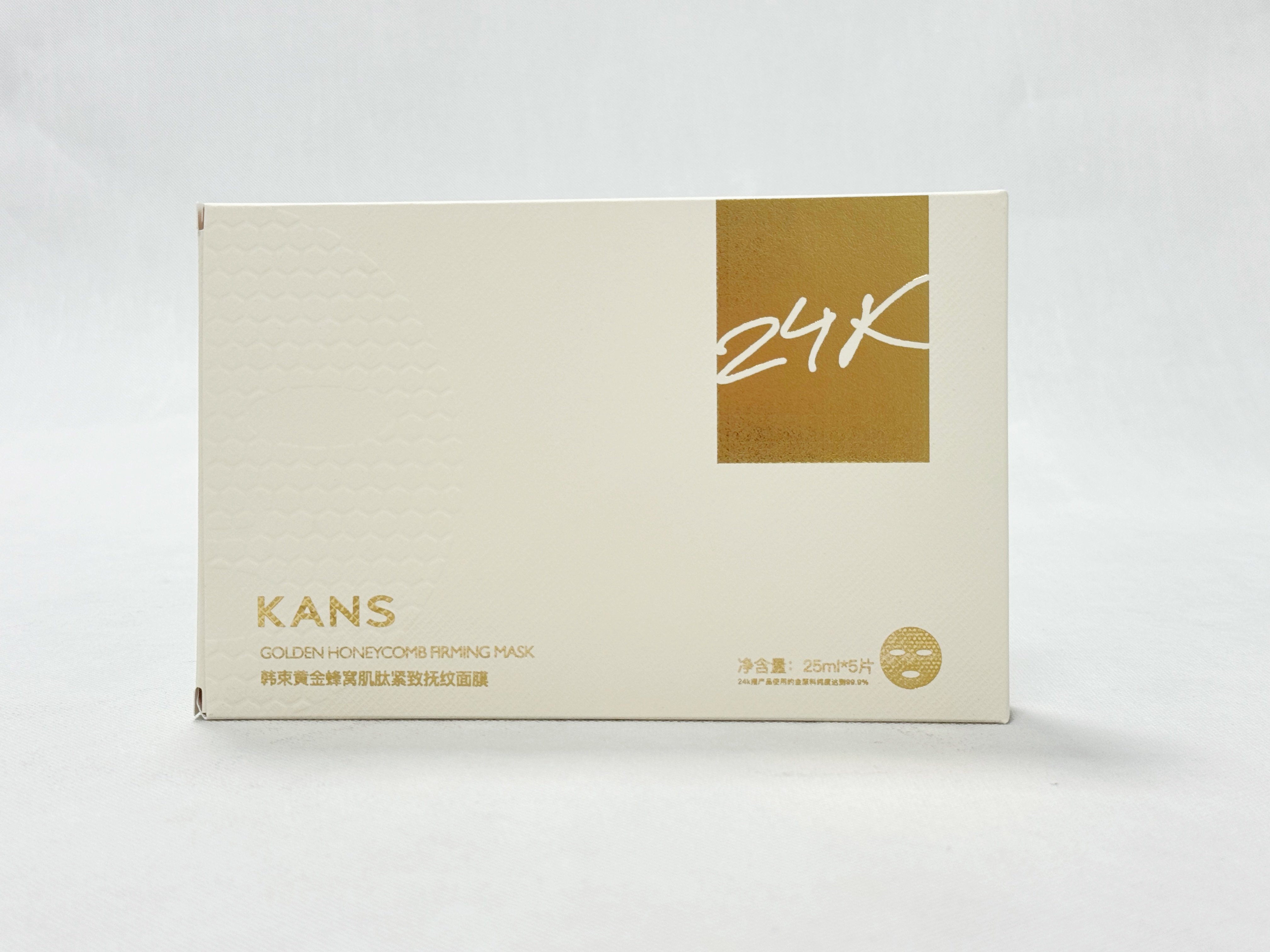
The optimal material thickness for paper boxes depends on product weight and shipping distance. Generally, paper boxes used for heavier products require basis weights between 200-300 GSM with double-wall corrugation. Lighter items can perform adequately with single-wall paper boxes at 150-200 GSM. Consulting with packaging engineers helps determine the minimum material thickness needed in paper boxes while maintaining cost efficiency. Testing paper boxes under expected shipping conditions ensures the selected thickness delivers adequate durability without over-specification.
Collapse resistance in paper boxes comes from multiple reinforcement strategies working together. Strong flute architecture distributes compression forces evenly across paper boxes walls. Reinforced corners and edges concentrate material at stress points, while optimized base designs distribute weight from stacked units. The relationship between box dimensions and material properties ensures paper boxes can withstand static loads from stacking multiple units. Proper design also prevents the bulging or bowing that weakens paper boxes structural integrity under sustained pressure.
While strong paper boxes design provides excellent structural protection, cushioning materials serve a different function by absorbing impact forces that protect the contents. Advanced paper boxes design can reduce the amount of internal cushioning needed, but rarely eliminates it entirely. The durability features in paper boxes primarily protect the box itself from crushing and deformation, while cushioning protects products inside from shock and vibration. Combining well-designed paper boxes with strategic internal cushioning creates comprehensive protection systems that maximize both box longevity and product safety.

 EN
EN
 Request An Estimate
 Projects