
Paper boxes have become far more than simple shipping containers. Today's paper boxes are evolving rapidly to address shifting consumer expectations, regulatory pressures, and business sustainability goals. The transformation reflects deeper changes in how companies source materials, design packaging, and manage their environmental footprint. Understanding how paper boxes are changing provides essential insight into modern packaging strategy and competitive positioning.
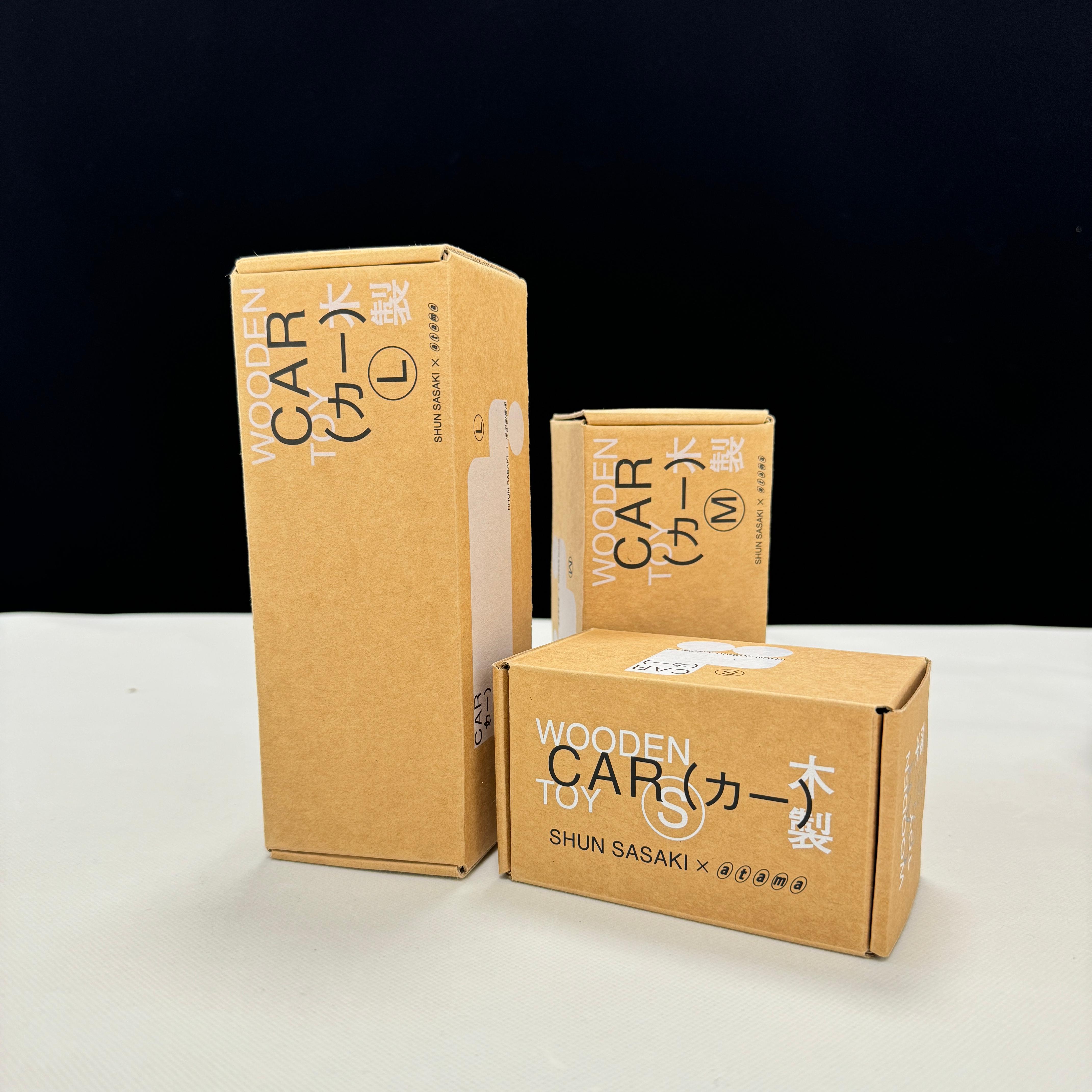
The evolution of paper boxes reflects broader market forces reshaping the packaging industry. Manufacturers, retailers, and consumers now prioritize sustainability, efficiency, and brand differentiation through packaging. Paper boxes that were once standardized commodities are now engineered solutions tailored to specific product types, distribution networks, and sustainability benchmarks. This shift demands innovation across material selection, production processes, and supply chain integration.
Sustainability has become the primary driver reshaping paper boxes globally. Modern paper boxes are increasingly made from recycled content and responsibly sourced virgin fiber, reducing reliance on virgin forest materials. Manufacturers of paper boxes now implement closed-loop recycling programs and track material origins to meet corporate sustainability commitments and regulatory requirements. The shift toward recyclable paper boxes represents a fundamental change in how the industry sources raw materials and measures environmental impact.
Biodegradable coatings and water-based inks are transforming how paper boxes perform while maintaining recyclability. Traditional plastic-laminated paper boxes often contaminated recycling streams; modern paper boxes use advanced coatings that break down naturally without compromising moisture resistance or structural integrity. This innovation allows paper boxes to meet food safety and product protection standards while remaining fully recyclable or compostable, addressing consumer demand for genuinely sustainable packaging solutions.
Paper boxes must now deliver performance characteristics once reserved for plastic or metal packaging. New barrier technologies embedded in paper boxes protect against oxygen, moisture, and light exposure without synthetic lamination. These performance-enhanced paper boxes maintain product freshness, extend shelf life, and reduce spoilage, making them viable for sensitive products like cosmetics, electronics, and food items. The convergence of sustainability and performance represents a major competitive advantage for producers of advanced paper boxes.
Grease-resistant and water-resistant treatments for paper boxes now use plant-based alternatives to harmful fluorochemicals. Manufacturers developing next-generation paper boxes test barrier properties extensively to ensure products meet industry standards while eliminating toxic substances. This evolution makes paper boxes suitable for applications previously dominated by single-use plastic, directly addressing circular economy initiatives and regulatory bans on problematic packaging materials.
Customization capabilities for paper boxes have expanded dramatically with digital printing technology. Brands now create unique designs, limited editions, and region-specific variants of paper boxes without expensive tooling or minimum order quantities. This flexibility allows smaller businesses and startups to compete with established brands through distinctive packaging. Advanced printing on paper boxes enables variable data integration, personalization, and real-time design modifications that respond to market trends and consumer feedback.
Color accuracy, fine detail reproduction, and specialty finishes available on modern paper boxes create premium perceived value. Companies differentiate through embossing, foil stamping, and textured surfaces applied to paper boxes, elevating brand perception at point of sale. The ability to produce small batches of customized paper boxes supports agile marketing strategies and reduces inventory risk for evolving product lines. Digital innovation in paper boxes production democratizes sophisticated packaging design across company sizes.
Paper boxes now incorporate structural innovations that improve user experience and logistics efficiency. Reinforced corner designs, integrated handles, and collapsible structures reduce packaging waste while enhancing functionality. Ergonomic paper boxes designed for easy opening, resealing, and stacking address real consumer pain points and reduce product damage during distribution. These functional improvements in paper boxes reduce return rates, improve customer satisfaction, and lower total logistics costs across supply chains.
Modular and nested paper boxes systems optimize warehouse space and reduce transportation volume. Companies adopting these innovative paper boxes designs achieve significant carbon footprint reductions by decreasing shipping weight and cube utilization. Smart packaging integration into paper boxes, including QR codes and NFC technology, connects physical products to digital experiences and enables supply chain transparency that consumers increasingly demand.
Supply chain disruptions have accelerated investment in distributed paper boxes production networks. Rather than relying on single-source suppliers, companies now source paper boxes from multiple regions, reducing vulnerability to logistics bottlenecks and geopolitical risks. This shift supports regional economies, shortens delivery times, and improves demand responsiveness. Manufacturers of paper boxes are expanding capacity in key markets while implementing quality consistency standards across facilities.
On-demand paper boxes production powered by automated systems allows companies to manufacture smaller batches with faster turnaround. This capability reduces inventory holding costs and enables responsive supply chains that match production to actual demand. Advanced scheduling and inventory management systems connected to paper boxes suppliers create real-time visibility and optimize material flow. The transition toward distributed production of paper boxes strengthens supply chain resilience while reducing environmental impact from long-distance shipping.
Automation in paper boxes manufacturing has reached new sophistication levels, improving consistency, speed, and cost competitiveness. Robotic systems handle material handling, die-cutting, and quality inspection across paper boxes production lines. Machine learning algorithms optimize paper boxes designs for material efficiency, reducing waste and production costs while maintaining performance standards. These technological investments make high-quality paper boxes competitive on price while delivering superior environmental outcomes.
Energy-efficient production processes for paper boxes represent another critical evolution. Facilities manufacturing paper boxes now employ regenerative energy systems, optimized drying technologies, and waste heat recovery. Water recycling systems reduce consumption in paper boxes production, addressing environmental concerns in manufacturing regions with water scarcity. These efficiency improvements lower production costs, reduce operating margins pressure, and align paper boxes producers with evolving environmental regulations.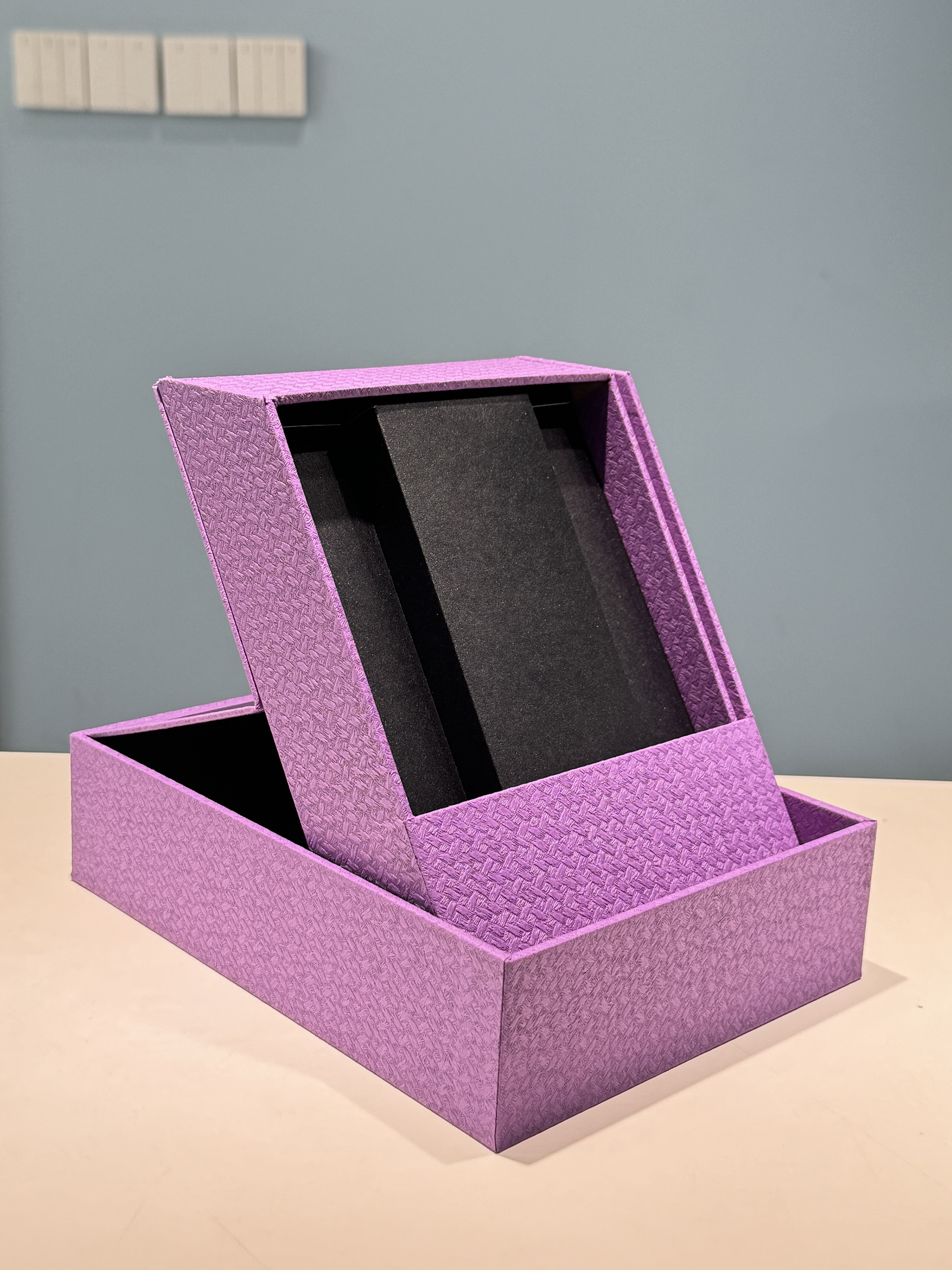
The primary drivers reshaping paper boxes include regulatory bans on single-use plastics, consumer demand for sustainable packaging, brand desire for differentiation, and supply chain resilience requirements. Regulatory frameworks in Europe, Asia, and North America increasingly restrict plastic packaging, making paper boxes the preferred alternative. Simultaneously, consumers reward brands with transparent, sustainable packaging, creating market incentive for companies to adopt paper boxes. Supply chain disruptions also accelerate investment in paper boxes production flexibility and distributed manufacturing networks.
Contemporary paper boxes now match or exceed plastic and metal packaging in performance specifications while delivering superior environmental benefits. Advanced barrier coatings in paper boxes protect products from moisture, oxygen, and light damage without synthetic lamination. Paper boxes offer customization flexibility that plastics cannot match at comparable cost, and paper boxes are fully recyclable in existing infrastructure. For most applications, paper boxes represent the optimal balance of performance, cost, sustainability, and brand impact, making them the increasingly preferred choice across industries.
Yes, modern paper boxes with advanced barrier coatings effectively protect moisture-sensitive products. Proprietary treatments applied to paper boxes provide water resistance comparable to traditional plastic films without compromising recyclability. Food products, cosmetics, pharmaceuticals, and electronics successfully ship in protective paper boxes designed with appropriate barrier specifications. Testing and certification ensure paper boxes meet industry performance standards for moisture protection, making them viable for demanding applications that previously required plastic or metal packaging.

 EN
EN
 Request An Estimate
 Projects