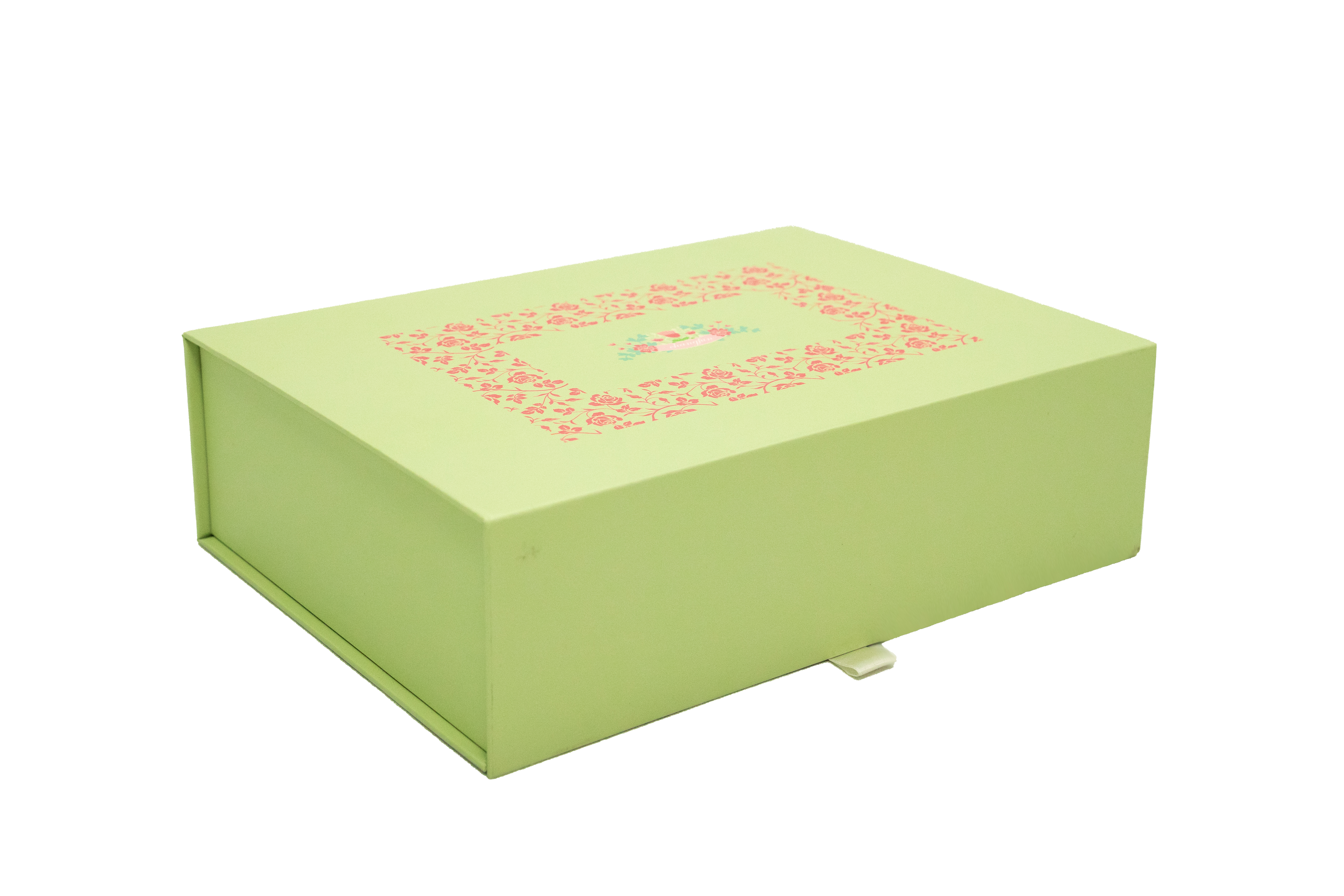
Paper boxes have become the industry standard for product packaging across manufacturing, retail, and e-commerce sectors worldwide. Organizations seeking effective packaging solutions recognize that paper boxes must adapt intelligently to meet varying product protection requirements. The ability to customize paper boxes for specific protection needs directly influences product integrity, customer satisfaction, and overall supply chain efficiency. Understanding how paper boxes adapt to different protection scenarios is essential for businesses looking to optimize their packaging strategy without compromising quality or increasing costs unnecessarily.
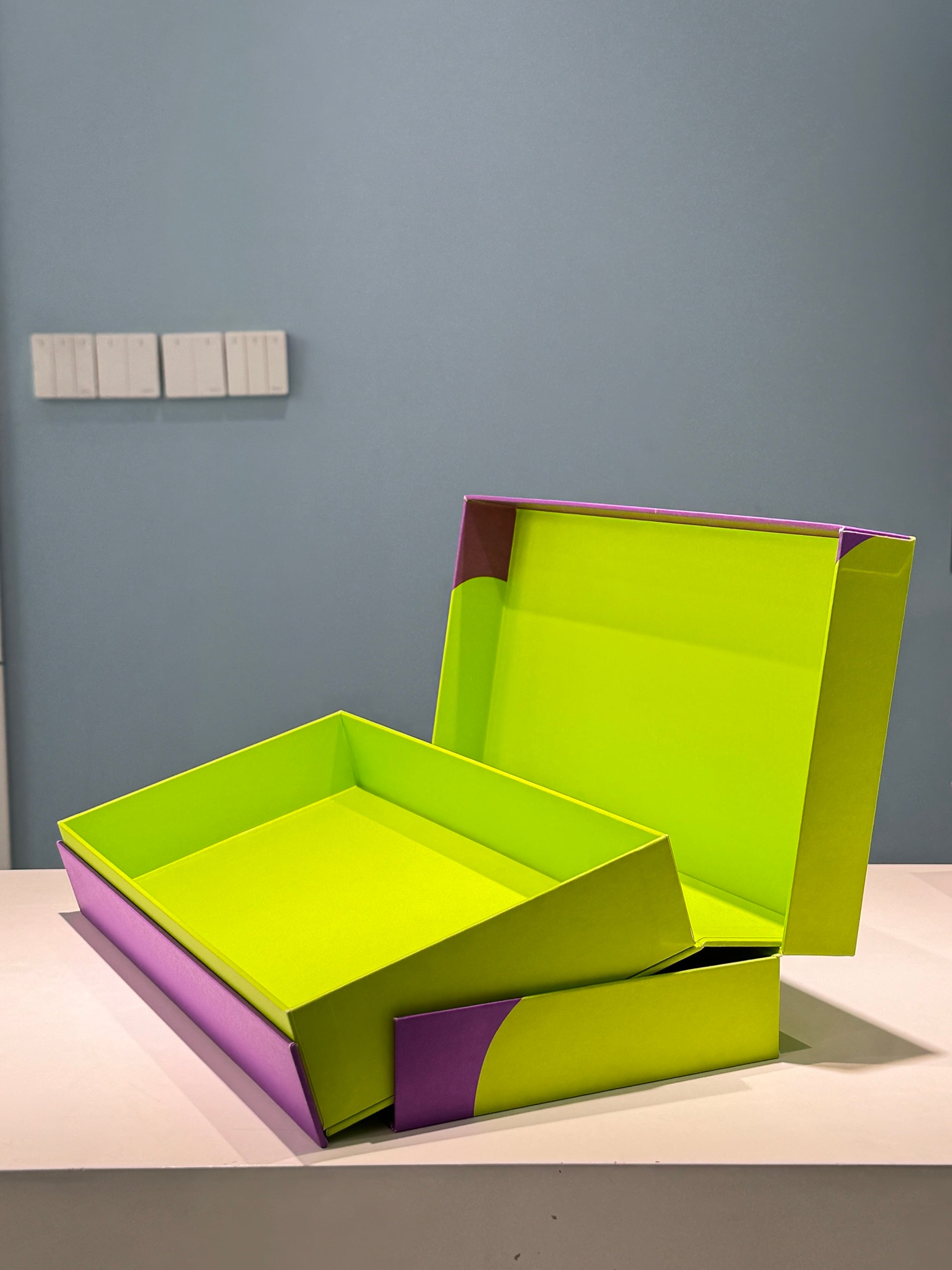
The evolution of paper boxes demonstrates how modern packaging engineering responds to real-world protection challenges. Whether protecting fragile electronics, perishable food items, or delicate cosmetics, paper boxes provide flexible adaptation through material innovation, structural design modifications, and protective coating technologies. This adaptability makes paper boxes an economical choice for businesses managing diverse product portfolios, as a single packaging supplier can engineer solutions across multiple protection categories without requiring entirely different materials or manufacturing processes.
Paper boxes exist in multiple material grades, each designed for specific protection levels. Corrugated cardboard, composed of fluted paper layers between solid liners, provides exceptional strength-to-weight ratios that make paper boxes ideal for heavy or bulky items requiring shock absorption. Solid bleached sulfate board and white-lined chipboard represent alternative constructions for paper boxes serving lighter products or specialty applications. The selection between these material types directly determines how effectively paper boxes can protect contents during transit, storage, and handling. Manufacturers choose between single-wall, double-wall, and triple-wall paper boxes based on product weight, fragility assessment, and anticipated supply chain stresses.
Paper boxes can be engineered with varying caliper and burst strength ratings to match specific protection demands. Heavier basis weights in paper boxes increase compressive strength, enabling vertical stacking in warehouse environments without crushing contents. Lighter-duty paper boxes designed for individual shipping reduce material costs while maintaining adequate protection for non-fragile items. The burst strength metric indicates how much pressure paper boxes can withstand before rupturing, a critical consideration for products facing rough handling or moisture exposure. Manufacturers test paper boxes extensively to verify compliance with industry standards like ISTA and ASTM before committing to production runs, ensuring consistent protection performance across all units.
Advanced paper boxes incorporate internal dividers, foam inserts, and corrugated partitions that stabilize products during movement and prevent collision damage between items. These structural reinforcements transform paper boxes from simple containers into engineered protection systems that isolate individual products within a single shipment. Custom-designed paper boxes can include corner guards, edge protectors, and suspended platforms that cradle fragile contents while maintaining structural integrity under stacking loads. The precision die-cutting technology used in modern manufacturing allows paper boxes to feature exact compartment sizing, reducing product shift and the wasted space that generates excess packaging material costs. Businesses leveraging these design innovations in paper boxes consistently report measurable reductions in damage claims and customer returns.
Paper boxes employ different closure mechanisms depending on protection priorities and handling environments. Tuck-flap closures work effectively for paper boxes protecting moisture-resistant products in controlled indoor distribution networks. Two-piece telescope boxes provide superior tamper evidence and protection for pharmaceutical and premium food products where both security and preservation matter equally. Auto-locking bottom closures in paper boxes eliminate the need for tape while maintaining consistent closure integrity across thousands of units. Adhesive selection in paper boxes—including water-based, hot-melt, and pressure-sensitive options—directly affects moisture resistance, temperature stability, and long-term seal performance. Manufacturers match closure engineering to product vulnerability profiles, recognizing that generic sealing approaches often fail under real-world distribution conditions.
Paper boxes protecting moisture-sensitive products require specialized coatings that create effective barriers without compromising recyclability or structural performance. Polyethylene and polypropylene coatings applied to paper boxes provide excellent moisture resistance while maintaining the substrate's printability and folding characteristics. Water-based polyurethane coatings represent an environmentally conscious alternative that delivers comparable protection in paper boxes while supporting sustainability commitments. Wax-based treatments in paper boxes offer cost-effective moisture management for fresh produce and baked goods, preventing internal condensation while maintaining breathability. The coating thickness applied to paper boxes directly influences performance duration—thicker applications extend protection across longer supply chains and storage periods, though material costs increase proportionally.
Food packaging represents one of the most demanding applications where paper boxes must prevent grease migration from contents to external surfaces. Fluorochemical-free grease barrier coatings in modern paper boxes address consumer and regulatory concerns about harmful chemical residues while maintaining functional protection. The treatment pattern applied to paper boxes—full coverage versus targeted zones—influences both cost efficiency and environmental impact. Silicone-based barriers in premium paper boxes provide exceptional grease resistance suitable for fatty foods, nuts, and prepared items experiencing extended room-temperature storage. Testing protocols for paper boxes include accelerated aging and fat immersion studies that validate performance claims before commercial deployment, protecting brand reputation and ensuring regulatory compliance across international markets.
Paper boxes designed for fragile electronics or delicate instruments incorporate specific cushioning strategies that absorb point-impact shock while distributing compression loads evenly across broader surface areas. Edge crush test results and compression strength values for paper boxes directly predict how effectively they will protect contents when dropped, stacked, or subjected to rough handling during peak shipping seasons. Manufacturers conduct ISTA protocol testing on paper boxes to simulate actual distribution environments, identifying failure points and design weaknesses before products reach customers. The combination of material selection, internal padding, and structural design in paper boxes creates multilayered protection that addresses both sudden impacts and sustained compression forces. Performance data from paper boxes undergoing certified testing provides objective evidence supporting warranty claims and customer confidence in protection capabilities.
Warehouse operations routinely stack paper boxes multiple levels high, requiring careful engineering to prevent column collapse and product damage from accumulated weight. The edge crush test results and board specifications used in paper boxes must accommodate not only product weight but also anticipated stacking heights and duration in storage facilities. Dynamic loading scenarios for paper boxes account for temperature fluctuations, moisture absorption, and repeated handling that gradually compromise compressive strength over time. Manufacturers specify maximum stacking heights for paper boxes based on conservative safety factors, recognizing that actual warehouse conditions often exceed designed parameters. Customers utilizing paper boxes benefit from clear performance specifications that enable accurate load calculations and prevent costly damage incidents from excessive stacking pressure.
Product fragility, weight, distribution distance, storage duration, and handling intensity all influence protection requirements for paper boxes. Delicate items like glassware or electronics demand paper boxes with maximum cushioning and shock absorption, while sturdy non-perishables may only require standard corrugated construction. Environmental conditions including temperature extremes, humidity exposure, and potential contaminant contact shape specifications for paper boxes. Analyzing your specific supply chain vulnerabilities allows precise matching of paper boxes to actual protection needs rather than over-specifying and wasting resources on unnecessary reinforcement.
Yes, paper boxes offer exceptional flexibility allowing businesses to order multiple configurations from a single supplier using shared base materials but different internal structures, coatings, and partition designs. This capability significantly reduces lead times and simplifies supplier management compared to sourcing from different vendors for different product categories. Experienced manufacturers optimize paper boxes designs to maximize material efficiency and production throughput while maintaining product-specific protection performance. Digital design tools enable rapid prototyping and testing of paper boxes modifications before full production commitment.
Modern paper boxes increasingly incorporate recyclable materials, biodegradable coatings, and sustainable sourcing practices that align with corporate environmental goals and consumer preferences. Regulatory compliance for paper boxes varies by jurisdiction and product category—food contact surfaces require different materials than industrial components or cosmetic packaging. Manufacturers of paper boxes maintain current knowledge of evolving regulations including PFAS restrictions, plastic phase-out requirements, and compostability standards. Selecting compliant paper boxes protects businesses from potential market access restrictions and reputational damage while positioning products favorably among environmentally conscious consumers.

 EN
 Request An Estimate
 Projects
