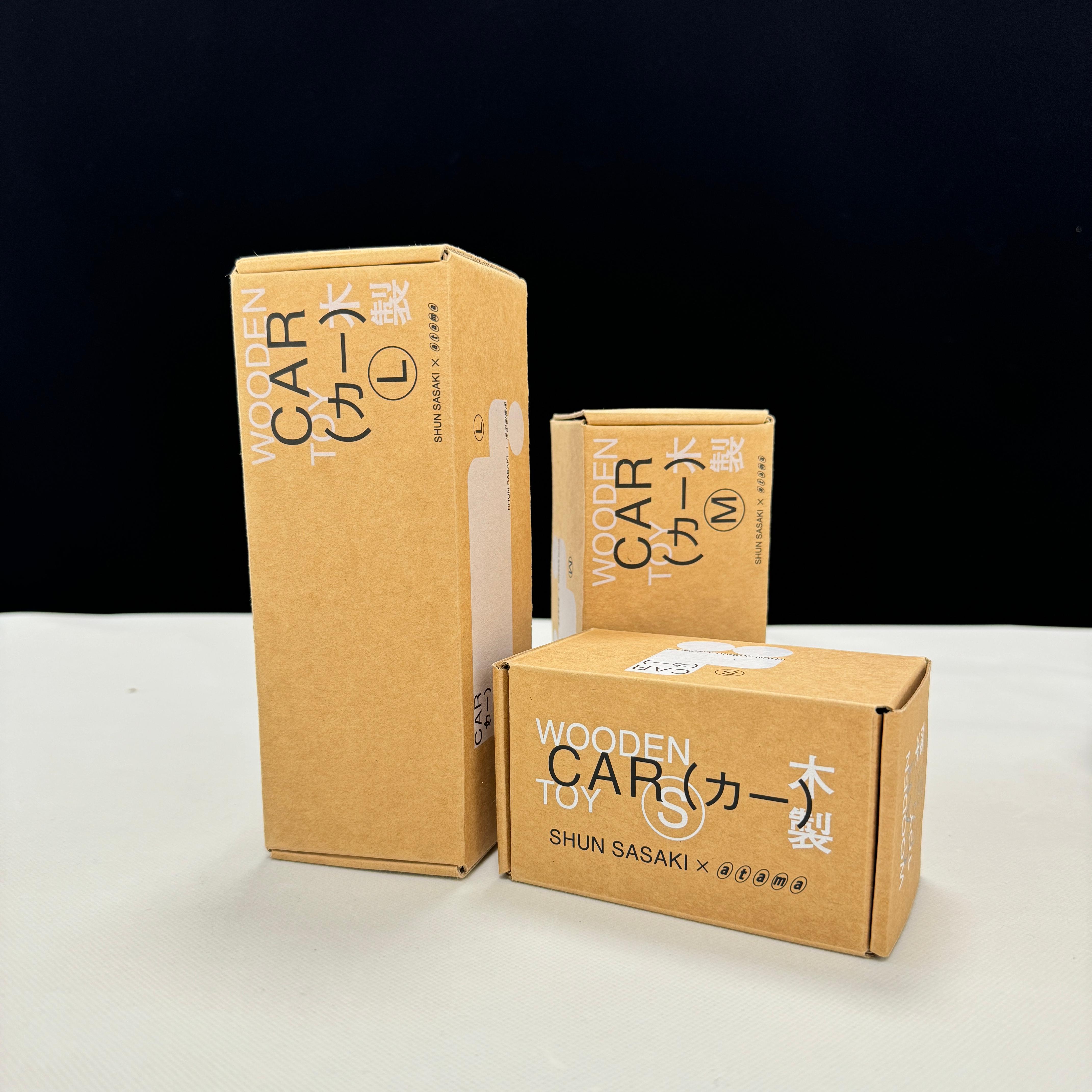
Paper boxes serve as the backbone of modern logistics and e-commerce operations, protecting products during storage, handling, and transportation. Understanding what factors influence paper boxes strength is essential for manufacturers, packaging designers, and supply chain professionals who need reliable containment solutions. The durability of paper boxes directly impacts product safety, reduces damage claims, and ensures customer satisfaction across all industries from food and beverage to electronics and pharmaceuticals.
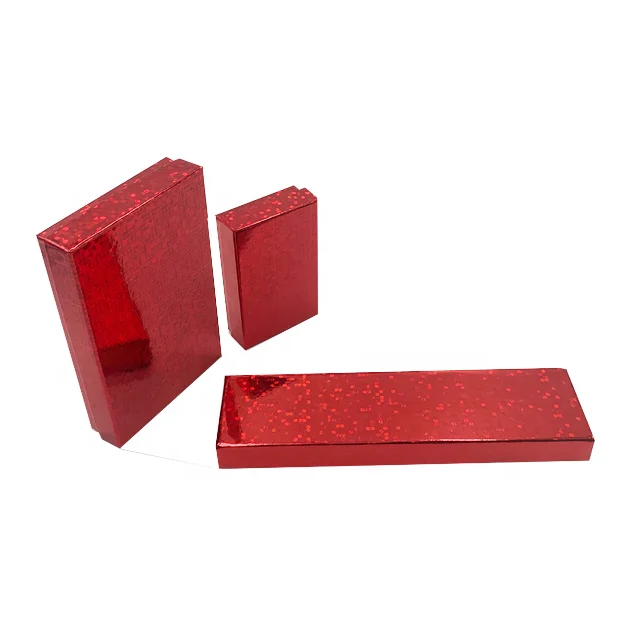
The strength of paper boxes depends on multiple interconnected variables that work together to determine how well they withstand compression, impact, and environmental stress. From raw material selection to structural design and manufacturing processes, each element contributes significantly to the final performance characteristics. This comprehensive guide explores the primary factors that determine paper boxes strength and why each matters in real-world transport applications.
The foundation of any durable paper boxes begins with understanding fiber composition. Paper boxes manufactured from virgin kraft pulp generally exhibit superior strength compared to those made from recycled fibers alone. Virgin fibers possess longer molecular chains and greater structural integrity, which translates directly into increased burst strength and puncture resistance in paper boxes. The percentage of virgin versus recycled content significantly influences how paper boxes perform under load, particularly during compression testing and stacking scenarios typical in warehouse environments.
Softwood fibers like pine and spruce contribute excellent tensile strength to paper boxes, while hardwood fibers from eucalyptus and birch improve tear resistance and surface properties. Manufacturers optimizing paper boxes strength often blend different fiber sources strategically to achieve the desired balance between multiple strength parameters. The pulping method, whether kraft, sulfite, or mechanical, directly affects fiber characteristics and therefore the final strength profile of paper boxes used in demanding transport applications.
Basis weight represents the weight of paper per unit area and serves as one of the most straightforward indicators of potential paper boxes strength. Heavier basis weight typically correlates with increased thickness and greater resistance to crushing, puncturing, and environmental stresses. However, paper boxes strength does not increase proportionally with basis weight alone; the relationship also depends on how densely the fibers are compressed during manufacturing. Higher density paper boxes exhibit superior strength characteristics because the fibers maintain closer contact, improving load-bearing capacity and structural stability during transport.
Paper boxes designed for heavy products or extended storage require higher basis weights, typically ranging from 250 to 400 grams per square meter, to ensure adequate strength margins. Lighter paper boxes used for cushioning or protective layering might employ basis weights as low as 100 to 150 grams per square meter. The specific application determines the optimal basis weight that balances strength requirements with cost efficiency and environmental sustainability considerations in paper boxes manufacturing.
Corrugated paper boxes represent the most common industrial packaging format, and their strength derives significantly from flute architecture. Flute profiles—designated as A, B, C, E, and F—determine the size and spacing of the wavy cardboard layer sandwiched between liner boards. Single-wall paper boxes with C-flute or B-flute typically provide optimal strength-to-weight ratios for general transport applications, while double-wall or triple-wall paper boxes offer enhanced protection for extremely fragile items or maximum-density stacking scenarios. The flute height influences how paper boxes resist compression forces; taller flutes provide greater cushioning but may sacrifice some crush strength compared to smaller flutes.
Selecting the appropriate flute configuration directly impacts paper boxes strength characteristics in ways that designers must carefully evaluate. Micro-flute options provide superior stacking strength and crush resistance, making them ideal for paper boxes used in automatic high-speed systems. Double-wall paper boxes with mixed flute combinations, such as B-flute combined with E-flute, deliver exceptional compression strength while maintaining reasonable thickness for storage optimization.
The total wall thickness of paper boxes, including all liner boards and flute layers, directly correlates with strength performance under realistic transport conditions. Paper boxes constructed with thicker exterior liners and optimized flute geometry demonstrate superior resistance to both puncture and compression damage. Multi-wall construction techniques enhance paper boxes strength significantly, particularly when different fiber grades are strategically positioned to maximize performance where stress concentrations typically occur, such as corners, seams, and areas of maximum impact potential.
The arrangement and orientation of fibers within each layer of paper boxes influences directional strength properties. Machine-direction fibers—those aligned with the manufacturing process—contribute greater tensile strength to paper boxes, while cross-direction fibers improve resistance to lateral stresses. Optimally designed paper boxes balance these directional properties to ensure consistent strength across multiple axes, a critical requirement for boxes subjected to random impacts during transport.
The adhesive bonding between corrugated flutes and liner boards fundamentally determines paper boxes strength and structural integrity. High-quality paper boxes employ starch-based or synthetic adhesives applied with precision equipment that ensures complete coverage and consistent bonding strength. Inadequate adhesive application creates weak points in paper boxes where delamination can occur under impact or compression stress. Modern paper boxes manufacturing utilizes automated adhesive systems that monitor coverage density, temperature, and application rates to maintain consistent strength properties throughout production runs.
The die-cutting, folding, and gluing processes used to convert corrugated sheets into finished paper boxes significantly influence their strength characteristics. Precise die-cutting prevents fiber tearing that could compromise structural integrity of paper boxes; conversely, damaged edges or poorly aligned cuts reduce crush strength and increase vulnerability to compression damage. Quality control testing during manufacturing verifies that finished paper boxes meet specified burst strength, crushing strength, and edge crush values before shipment to customers.
Moisture content represents a critical but often overlooked factor affecting paper boxes strength in real-world applications. Paper boxes stored in high-humidity environments absorb moisture, which reduces fiber stiffness and decreases both compression and burst strength. Optimal moisture content for paper boxes typically ranges between 5 and 8 percent; storage in environments exceeding 75 percent relative humidity can reduce paper boxes strength by 20 to 30 percent. Environmental control during manufacturing, storage, and transport ensures that paper boxes maintain consistent strength performance regardless of seasonal humidity variations.
Conversely, extremely dry conditions can make paper boxes brittle and prone to cracking or splintering, particularly at fold lines and stress points. Paper boxes manufacturers and end-users must maintain climate-controlled storage facilities or use protective wrapping to shield paper boxes from extreme moisture or temperature fluctuations that could compromise their structural properties.
Evaluating paper boxes strength requires standardized testing methodologies that measure key performance indicators relevant to transport applications. Edge crush test measures the maximum force paper boxes resist when crushed along the flute direction, directly predicting stacking strength and compression stability. Burst strength testing determines the pressure at which paper boxes rupture under controlled conditions, indicating resistance to puncture and internal pressure impacts. Tensile strength and tear resistance measurements assess the fiber bonding quality within paper boxes and resistance to mechanical damage.
Industry standards such as ISO 2409, ISO 2408, and TAPPI T403 provide benchmark criteria that producers and purchasers use to verify that paper boxes meet minimum strength requirements for specific applications. Drop testing, vibration testing, and compression cycling protocols simulate actual transport stresses that paper boxes will experience during distribution. These comprehensive evaluations ensure that paper boxes provide adequate protection while maintaining cost efficiency and environmental responsibility throughout their lifecycle.
The internal load placed on paper boxes during transport dramatically influences which strength factors become critical design parameters. Heavy products demand paper boxes with exceptional compression strength to prevent crushing during stacking in warehouses or transport vehicles. Fragile items require paper boxes with superior cushioning properties and impact resistance, achieved through specific flute configurations and structural designs. Hazardous materials often necessitate paper boxes that meet regulatory standards for strength, leak-resistance, and environmental protection, demanding enhanced material quality and construction precision.
Food and beverage products frequently require paper boxes that resist moisture penetration and maintain structural integrity despite temperature variations during cold storage or distribution. Electronic components need paper boxes that provide static dissipation properties alongside traditional strength metrics. Understanding the specific stresses that products generate helps manufacturers specify the optimal combination of material grade, flute configuration, and thickness for paper boxes that perform reliably in their intended application context.
Paper boxes destined for long-distance maritime shipping or rough handling environments must be designed with higher strength margins than those used in controlled domestic distribution networks. Automated sorting systems subject paper boxes to repetitive impacts, vibration, and compression that directly stress the structural integrity of boxes. International shipping containers stack paper boxes vertically for extended periods, demanding exceptional crush strength to prevent product damage from weight accumulation. Regional climatic variations encountered during transit—from tropical humidity to desert heat—require paper boxes with stable performance across diverse environmental conditions.
Manual handling and warehouse environments introduce random impacts and compression stresses that paper boxes must withstand without failure. Understanding the complete distribution journey of paper boxes through supply chains enables designers to specify appropriate strength properties that ensure product protection while optimizing costs and environmental impact across the entire packaging lifecycle.
Fiber composition determines the molecular structure and bonding characteristics of paper boxes. Virgin kraft fibers create longer, stronger molecular chains that resist breaking under stress, producing paper boxes with superior tensile and burst strength compared to recycled-only formulations. The ratio of softwood to hardwood fibers affects how paper boxes respond to different stresses; softwood fibers excel at tensile strength while hardwood fibers improve tear resistance in paper boxes. Fiber length, bonding strength, and surface characteristics all depend on the original wood source and pulping methodology, making fiber selection one of the most fundamental decisions in paper boxes design.
Flute configuration determines both the cushioning properties and compression strength of paper boxes. Different flute profiles—A, B, C, E, and F—vary in height and spacing, directly affecting how paper boxes distribute stress and absorb impacts during transport. Single-wall paper boxes with C-flute offer balanced crush strength and cushioning for general applications, while double-wall options provide superior protection for heavy or fragile contents. The flute profile selection directly impacts paper boxes' ability to maintain structural integrity under stacking loads, vibration, and random impacts common in modern distribution systems.
Moisture content affects the physical properties of paper fibers, directly influencing the structural integrity of paper boxes. Elevated humidity causes paper boxes to absorb moisture, which softens fiber bonding and reduces both compression and burst strength by 20 to 30 percent in extreme conditions. Optimal moisture levels between 5 and 8 percent ensure that paper boxes maintain maximum strength performance across varying climatic conditions. Proper storage in climate-controlled environments protects paper boxes from humidity fluctuations that would otherwise compromise their ability to protect products during transport and warehousing.

 EN
EN
 Request An Estimate
 Projects