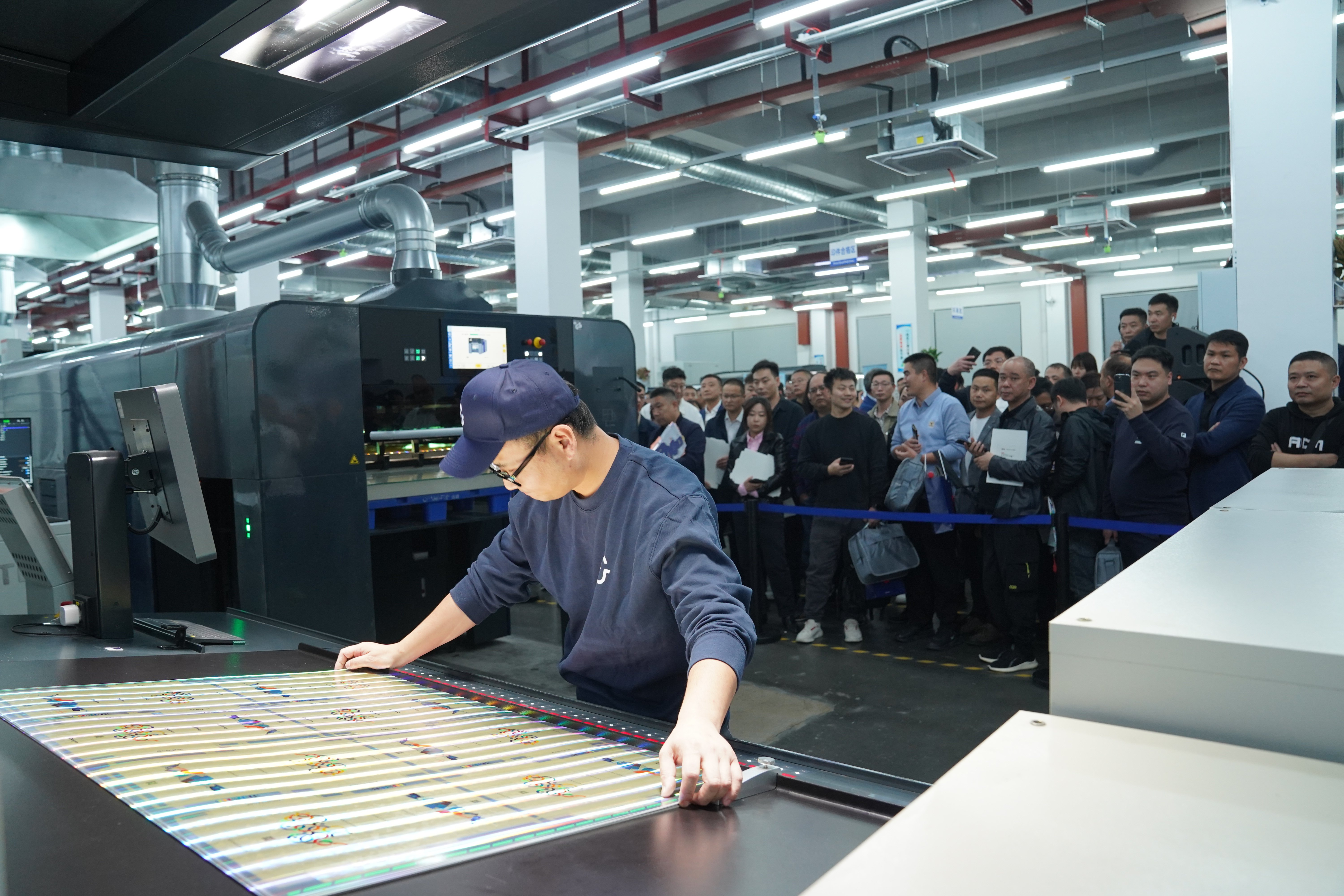
Every printing company operating in today's market faces a landscape that shifts faster than ever before. Customer expectations evolve, supply chains fluctuate, and new technologies redefine what is possible on the production floor. A printing company that cannot adapt to these pressures risks falling behind competitors that are quicker to respond and more flexible in their operations. Understanding how adaptation happens — and why it matters — is essential for any business that relies on print production as a core service.
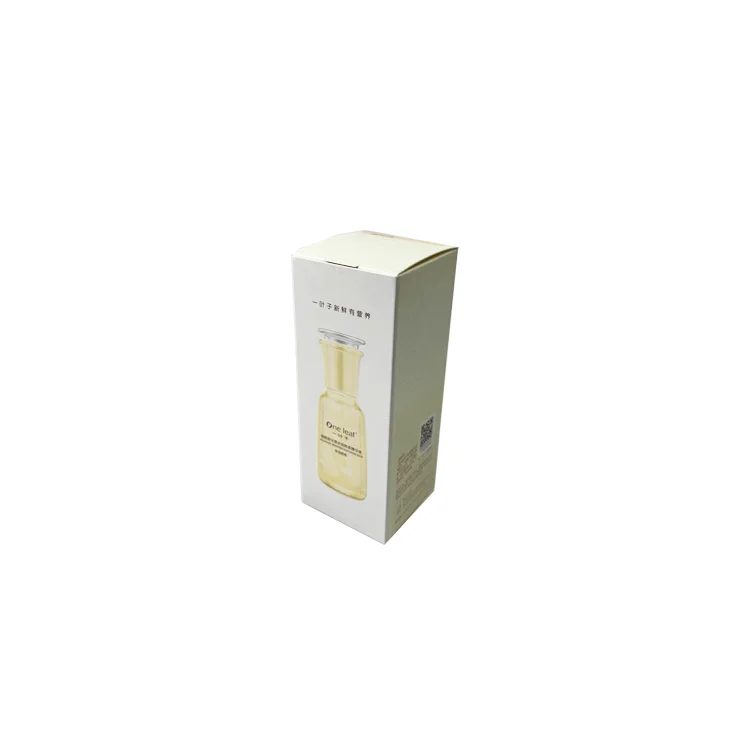
For a modern printing company, adaptation is not a one-time event but a continuous process. From upgrading machinery to rethinking packaging formats and embracing digital workflows, each decision shapes whether the printing company can meet demand reliably and profitably. This article explores the key mechanisms through which a printing company adjusts its production strategy to remain relevant, efficient, and capable of delivering value in a changing industry environment.
A printing company that combines digital and offset printing capabilities gains significant flexibility. Digital printing allows a printing company to handle short-run jobs with fast turnaround, while offset printing remains cost-effective for high-volume orders. By maintaining both capabilities, a printing company can serve a broader range of clients without compromising quality or margin. This dual-technology approach is one of the most practical ways a printing company responds to the unpredictable volume patterns seen in modern B2B markets.
Technology investments also allow a printing company to reduce waste and improve color accuracy across production runs. Modern presses equipped with automated calibration tools help a printing company maintain consistency even as job specifications change from one client to the next. For a printing company producing custom packaging, this level of control is especially valuable because brand colors and fine details must remain precise across thousands of units.
Automation is another critical lever for any printing company looking to scale without proportionally increasing labor costs. From pre-press automation to bindery and finishing, a printing company can dramatically reduce manual touchpoints in the production process. This not only speeds up throughput but also reduces the risk of human error, which can be costly when a printing company handles complex packaging projects with tight specifications. A printing company that automates intelligently positions itself to take on more orders with greater confidence.
One of the most significant industry shifts affecting every printing company is the rising demand for custom printed packaging. Brands across cosmetics, retail, and gifting sectors now expect a printing company to deliver packaging that is not only functional but also visually distinctive. A printing company that offers full-color custom cardboard box solutions, for example, serves this demand directly by providing clients with packaging that reflects brand identity at every touchpoint. The ability to produce gift boxes, cosmetic packaging, and retail cartons with high fidelity is now a baseline expectation rather than a premium offering.
For a printing company to stay competitive in packaging, it must invest in structural design capabilities alongside print quality. Clients want a printing company to contribute to dieline design, material selection, and finishing options such as spot UV, foil stamping, or embossing. A printing company that provides this full-service model creates stronger client relationships and reduces the likelihood of clients sourcing from multiple suppliers.
Product cycles in consumer markets have shortened considerably, which places new pressure on every printing company. Seasonal packaging, limited-edition runs, and rapid rebranding efforts mean a printing company must be able to respond quickly without sacrificing accuracy. A printing company that builds agile production workflows — including rapid proofing, digital mockups, and fast press setup — can handle these compressed timelines. This agility becomes a key differentiator when clients compare one printing company against another for time-sensitive projects.
Operational flexibility is a defining trait of any printing company that consistently meets client expectations during periods of demand volatility. A printing company builds this flexibility by cross-training staff, maintaining modular equipment configurations, and establishing clear capacity thresholds for peak periods. When a printing company can scale up or down in response to order volume, it avoids both costly overtime and the lost revenue that comes from turning away work. Flexibility at the production level translates directly into reliability at the client level, and reliability is what keeps a printing company competitive long-term.
A printing company also benefits from developing redundancy in its supply chain. Paper stock, ink, and specialty materials are all subject to availability disruptions, and a printing company that relies on a single source for critical inputs is vulnerable. By qualifying multiple material suppliers, a printing company can maintain production continuity even when one supplier faces delays. This kind of supply chain resilience is increasingly important as a printing company navigates global logistics challenges that affect lead times and material costs.
Sustainability has moved from a preference to an expectation for many clients evaluating a printing company. Brands want a printing company to demonstrate responsible sourcing, reduced chemical use, and recyclable or biodegradable material options. A printing company that implements sustainable practices not only meets this client demand but also often reduces operational costs through lower energy consumption and waste reduction. For a printing company producing cardboard packaging, switching to FSC-certified materials or water-based inks can be a meaningful step that strengthens client trust and opens doors to sustainability-conscious buyers.
A printing company focused on custom packaging typically produces cardboard gift boxes, cosmetic boxes, retail cartons, and specialty folding cartons. These products may feature full-color printing, custom structural designs, and premium finishes. A printing company serving B2B clients often handles both small custom runs and large-volume production orders depending on client needs.
A printing company manages quality through standardized color profiles, press calibration protocols, and pre-production proofing processes. Each printing company uses inspection checkpoints at key stages of production to catch deviations before they affect an entire run. Digital proofing tools allow a printing company to align with client expectations before committing to full production, reducing costly reprints.
Brand clients now see packaging as a direct extension of their brand identity, which means they expect a printing company to deliver precise, visually consistent results. A printing company that offers strong customization capabilities — including structural design support, material selection, and finishing options — adds more value than one that simply prints to a provided specification. This level of service helps a printing company build long-term client relationships and reduces client turnover.
 EN
EN
 Request An Estimate
 Projects