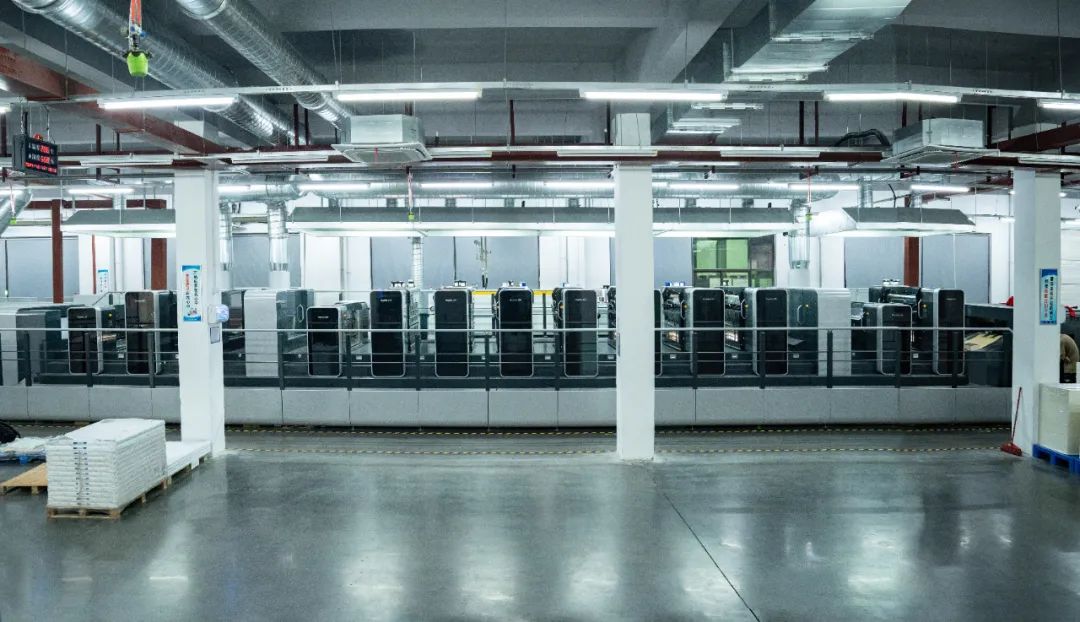
Every printing company faces a fundamental challenge in daily operations: how to deliver consistent, high-quality output while keeping production costs within a profitable range. This balance is not accidental. It results from deliberate decisions made at every stage of the production cycle, from material sourcing to press configuration to final finishing. A printing company that masters this balance gains a significant competitive edge in the market.

Understanding how a printing company achieves this balance requires looking beyond surface-level cost-cutting. It means examining how each printing company sets standards, trains staff, selects equipment, and builds workflows that support both efficiency and excellence. This article explores the core strategies that allow a printing company to serve clients well without sacrificing financial sustainability.
One of the first places a printing company manages cost and quality is in substrate selection. A printing company must evaluate paper weight, coating type, and board thickness based on the specific job requirements. Using a premium substrate where a standard one performs equally well wastes budget. Conversely, a printing company that cuts corners on material quality risks poor ink adhesion, color inconsistency, and structural weakness in the final product. Smart substrate decisions are therefore central to how a printing company maintains the quality-cost balance.
A well-run printing company typically maintains tiered material options aligned with different project tiers. A packaging printing company, for instance, will stock multiple grades of cardboard to match client budgets while meeting structural and visual standards. This tiered approach allows the printing company to recommend the most cost-effective material without compromising the functional or aesthetic purpose of the product.
Ink costs represent a significant variable for any printing company. A printing company that manages ink consumption carefully can reduce waste and lower per-unit costs. Techniques such as ink coverage optimization, color profile calibration, and press make-ready reduction all help a printing company control consumable spending. At the same time, a printing company must never reduce ink quality to the point where color accuracy or durability is affected. Balancing ink performance against ink cost is a discipline that every experienced printing company develops over time.
A printing company invests heavily in prepress planning because errors caught before production begins cost far less than reprints or rework. A professional printing company uses prepress checks to verify file resolution, color mode, bleed settings, and structural dieline accuracy before a job enters the press queue. This stage is where a printing company can identify potential quality risks early and address them without incurring additional material or labor cost. Thorough job planning allows the printing company to maintain throughput and avoid expensive production delays.
Efficient job scheduling also plays a major role in how a printing company controls costs. By grouping similar jobs, a printing company can reduce setup time between runs, lower ink changeover waste, and maximize press utilization. These scheduling disciplines allow a printing company to run leaner operations while still delivering finished work on time and to specification.
During production, a printing company relies on in-line quality monitoring to catch variations before they affect a full run. A skilled printing company uses densitometers, spectrophotometers, and visual inspection checkpoints to track color consistency, registration accuracy, and surface finish across every job. Catching a deviation early allows the printing company to adjust press settings rather than discard finished sheets. This real-time control is one of the most cost-effective quality tools a printing company can apply.
Press operators at a printing company are trained to understand both the technical and the commercial implications of their decisions. A printing company that invests in operator training creates a workforce capable of making on-press judgment calls that protect quality without creating unnecessary cost. This human element remains critical even as a printing company adopts more automated press systems.
Finishing processes such as lamination, embossing, foil stamping, and die-cutting add significant value to a printed product, but they also add cost. A printing company must guide clients in selecting finishing options that enhance the product's purpose without inflating budget unnecessarily. For example, a printing company working on cosmetic packaging may recommend soft-touch lamination for a premium feel while advising against redundant embossing if the overall design already communicates quality effectively. These consultative decisions are how a printing company adds value while controlling production spend.
Quality checks at the finishing stage are equally important. A printing company must inspect laminated or coated surfaces for bubbling, misalignment, and adhesion consistency. Structural elements such as box folds and glue joins must meet dimensional tolerances set during the design phase. A printing company that treats finishing inspection as a non-negotiable step protects both client satisfaction and its own production reputation.
A printing company that communicates clearly with clients about the cost and quality trade-offs available to them builds stronger, longer-term relationships. When a printing company presents clients with options at different price and quality levels, it empowers informed decision-making. This transparency reduces revision cycles, prevents scope creep, and allows the printing company to plan production more accurately. Clear communication is therefore not just a service quality issue for a printing company — it is also a production efficiency tool.
A printing company evaluates the end use of the product, the target audience, and the client's budget when recommending materials. For high-visibility packaging or retail products, a printing company will often justify premium substrates because they directly impact consumer perception. For internal or short-lifecycle print items, a printing company may recommend standard materials that meet functional needs at lower cost.
Setup time and material waste are consistently among the highest cost drivers in any printing company. When a printing company reduces setup time through better job planning and ink management, it directly improves margin without affecting output quality. Waste reduction programs are therefore a priority for any printing company aiming to improve cost efficiency.
A printing company maintains quality across long runs through consistent press calibration, regular density checks, and trained operator oversight. Many production runs in a printing company involve automated in-line measurement systems that flag deviations in real time. These systems allow the printing company to correct issues mid-run rather than discovering problems at final inspection, which significantly lowers rework rates.

 EN
EN
 Request An Estimate
 Projects