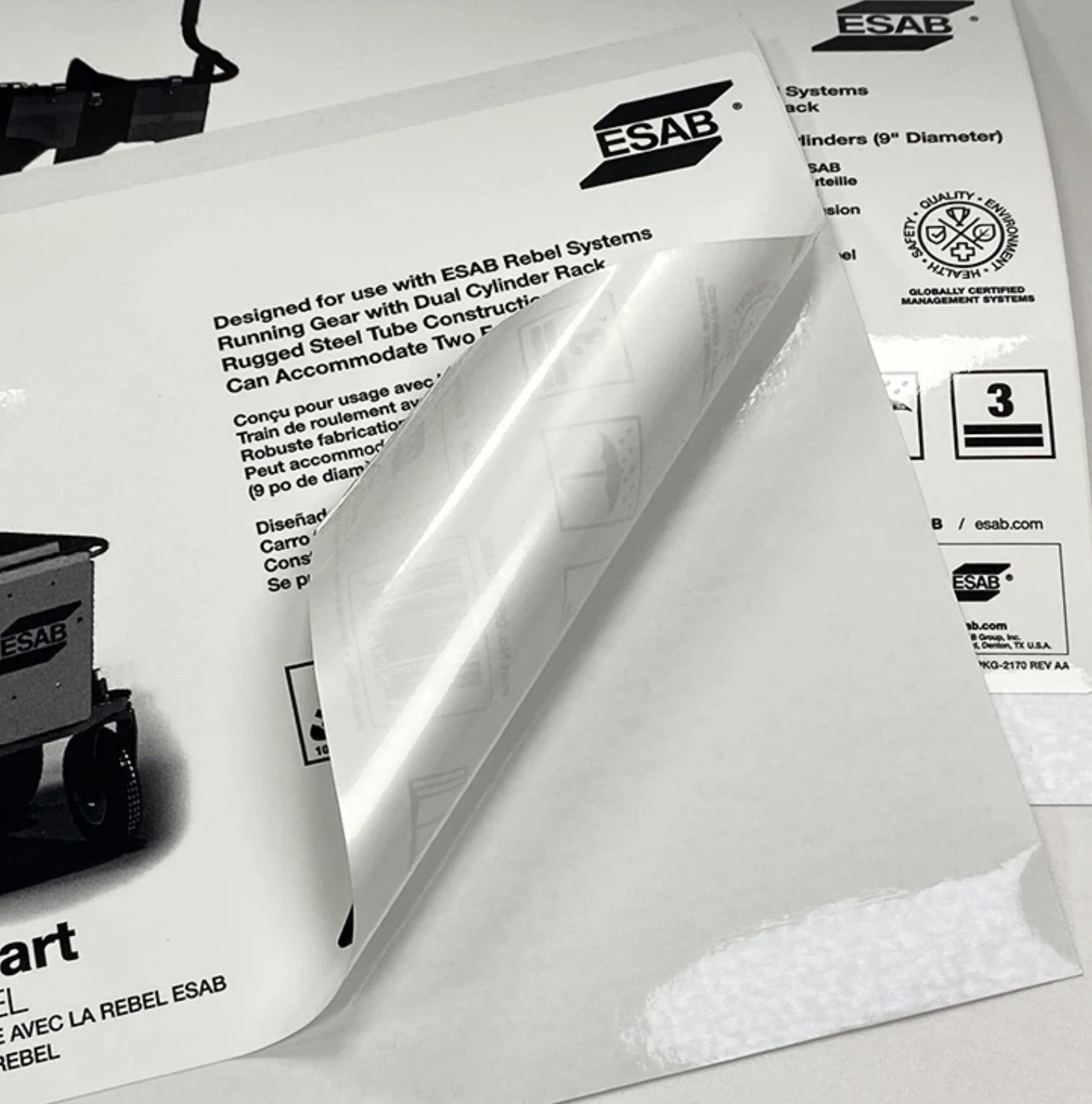
A custom label must work seamlessly across diverse packaging materials and surfaces, from corrugated cardboard to glossy plastics, fabric, and metal. The ability of a custom label to adapt demonstrates the sophisticated engineering and material science behind modern branding solutions. Understanding how a custom label performs across different substrates is essential for businesses seeking reliable, professional packaging that maintains brand integrity regardless of the product type or storage environment.
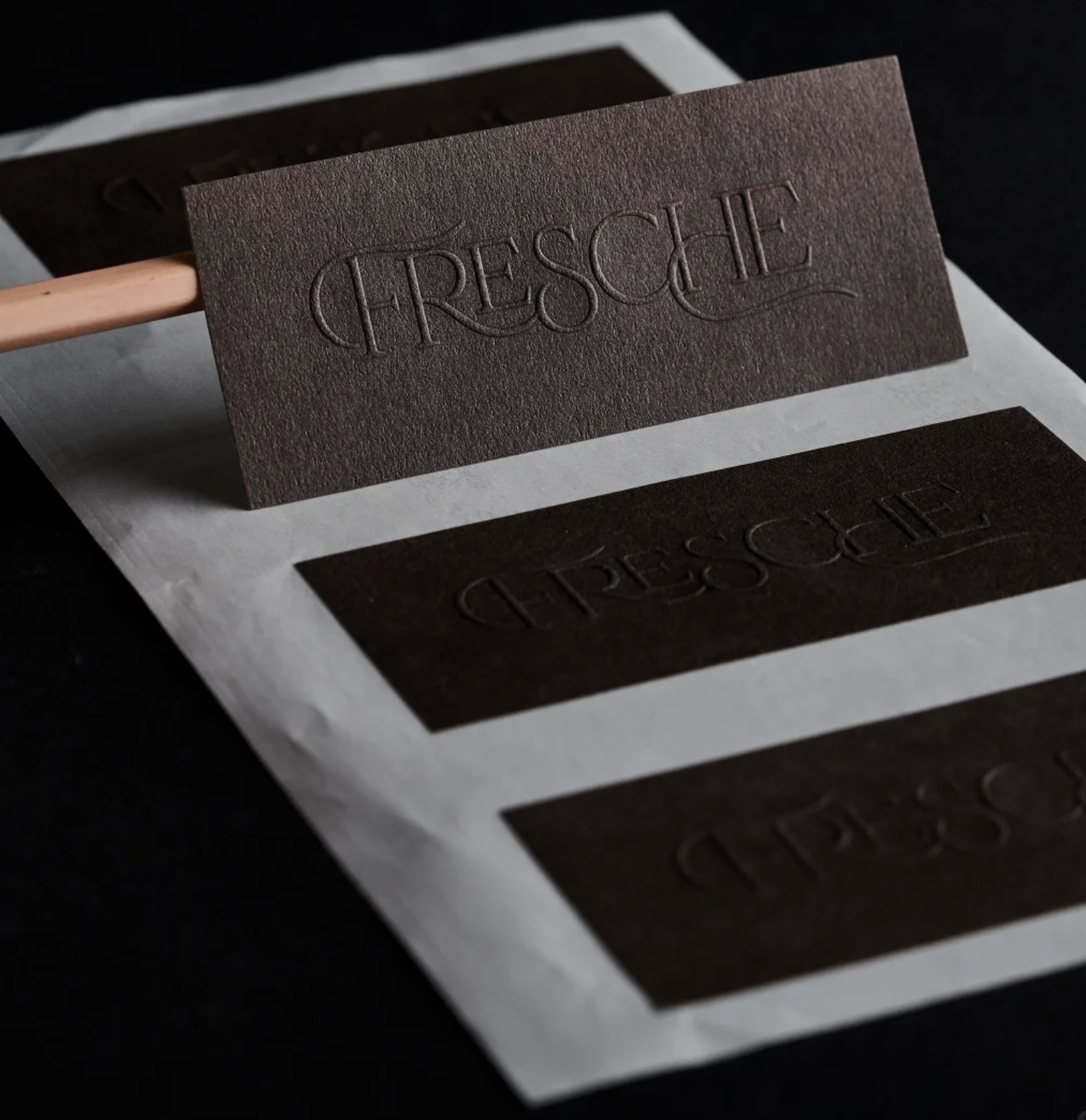
The performance of a custom label depends on multiple factors including ink formulation, adhesive chemistry, substrate preparation, and environmental conditions. A well-engineered custom label combines precise material selection with advanced production techniques to ensure consistent adhesion, durability, and visual clarity across every application. This comprehensive approach to custom label manufacturing enables brands to maintain consistent presentation whether labeling food packages, cosmetics bottles, clothing tags, or promotional materials.
Each packaging material presents unique surface characteristics that directly influence how a custom label adheres and performs over time. Porous materials like kraft paper and corrugated board absorb adhesive differently than non-porous surfaces such as polyethylene terephthalate (PET) plastic or aluminum. A custom label designed for cardboard packaging requires adhesive formulations that penetrate the fiber structure, while a custom label intended for glossy plastic must bond to a non-absorbent surface using entirely different chemical mechanisms. The adhesive selected for a custom label must match the specific surface energy and porosity of the target material to ensure lasting performance.
Modern custom label solutions employ multiple adhesive technologies tailored to specific substrates. Acrylic-based adhesives work effectively on most surfaces and offer excellent aging resistance for a custom label exposed to light and temperature fluctuations. Rubber-based adhesives provide aggressive tack suitable for challenging surfaces where a custom label must overcome low surface energy materials. Hot-melt adhesives deliver instant bonding for high-speed production environments where a custom label requires rapid application. The choice of adhesive directly determines whether a custom label will remain securely positioned throughout the product lifecycle or gradually peel away under handling, humidity, or temperature stress.
Before a custom label receives its final adhesive coating, the substrate surface may require specialized treatment to optimize bonding. Corona discharge treatment ionizes plastic film surfaces, increasing surface energy so that a custom label adheres uniformly without edge lifting. Plasma treatment penetrates microscopic surface irregularities, creating mechanical anchors that secure a custom label more effectively than adhesive alone. For challenging materials, a custom label manufacturer may apply primer coatings that create an intermediate bonding layer between the base material and the adhesive. These preparation techniques transform incompatible surfaces into reliable foundations where a custom label performs consistently.
The inks used in a custom label must chemically match both the label material and the substrate surface. Water-based inks absorb readily into porous substrates, requiring a custom label to include barrier layers that prevent ink migration and color bleeding. Solvent-based inks dry rapidly on non-porous surfaces, making them ideal for glossy plastic where a custom label needs quick throughput without smudging. UV-curable inks create durable finishes on any substrate type, ensuring a custom label maintains sharp color definition and scratch resistance throughout extended storage and handling. Digital printing technology allows manufacturers to adjust ink delivery precisely, ensuring each custom label receives optimal ink saturation regardless of the underlying material composition.
A custom label must withstand environmental stress that varies dramatically by product category and storage conditions. Temperature cycling causes expansion and contraction in both label materials and substrates, creating mechanical stress at the adhesive interface. A well-designed custom label incorporates flexible polymers that expand and contract proportionally with the substrate, maintaining adhesive contact through thermal cycling. Humid environments accelerate adhesive degradation in some formulations, so a custom label intended for refrigerated or frozen products requires specially formulated adhesives with superior moisture resistance. Conversely, dry environments may cause some label materials to become brittle, so a custom label for arid climates includes plasticizers that maintain flexibility.
Commercial and industrial environments expose a custom label to oils, cleaning agents, UV radiation, and mechanical abrasion. A custom label protecting food products must resist exposure to fats and oils that would compromise ordinary adhesives. Premium custom label formulations include topcoat resins that create protective barriers, allowing a custom label to maintain appearance and adhesion despite frequent handling and product manipulation. For promotional applications where a custom label must catch attention repeatedly, UV-resistant inks ensure that a custom label's color vibrancy persists throughout the entire promotional period without fading or discoloration. The combination of robust adhesive chemistry and durable material selection defines whether a custom label remains professional and legible or deteriorates into an embarrassing brand liability.
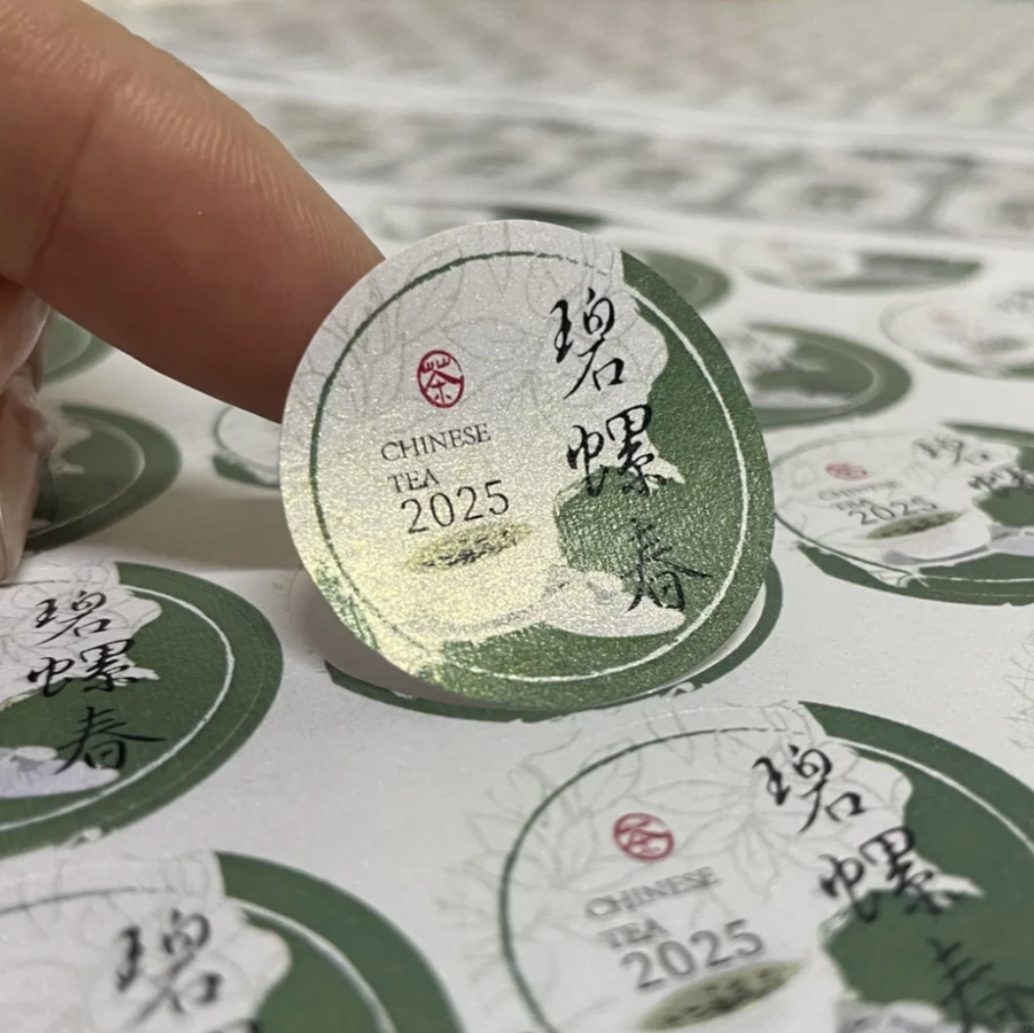
A custom label designed generically may bond to both materials, but performance will likely be suboptimal on at least one substrate. Paper-optimized adhesives may fail to grip plastic surfaces adequately, while plastic-optimized formulations might over-penetrate paper, causing adhesive bleedthrough and reduced label lifespan. Professional manufacturers produce substrate-specific custom label variations, ensuring each custom label receives the ideal adhesive chemistry and ink formulation for its intended material. Using the correct custom label specification for each packaging material eliminates premature peeling, color inconsistency, and branding damage.
Temperature fluctuations create mechanical stress as materials expand and contract at different rates, threatening the adhesive bond that keeps a custom label secure. Premium custom label formulations include flexible polymer matrices that accommodate thermal movement while maintaining adhesive contact. Some manufacturers add elastomers to adhesive formulations specifically for cold-chain applications, enabling a custom label to survive repeated freezing without becoming brittle or peeling away. Testing a custom label under actual storage conditions before mass production helps identify adhesive failures and allows suppliers to adjust formulations accordingly.
Glossy surfaces present a particularly challenging substrate because their low surface energy resists adhesion naturally. A custom label designed for glossy materials employs aggressive adhesive formulations with higher tack levels and extended dwell times. Pre-treatment technologies like corona discharge or primer coatings can significantly improve adhesive performance, transforming a mediocre custom label into a reliable solution. Comparing custom label adhesion performance through tensile testing and peel-strength analysis reveals which formulations maintain strongest grip on glossy plastics, films, and coated materials throughout the product lifecycle.
 EN
EN
 Request An Estimate
 Projects