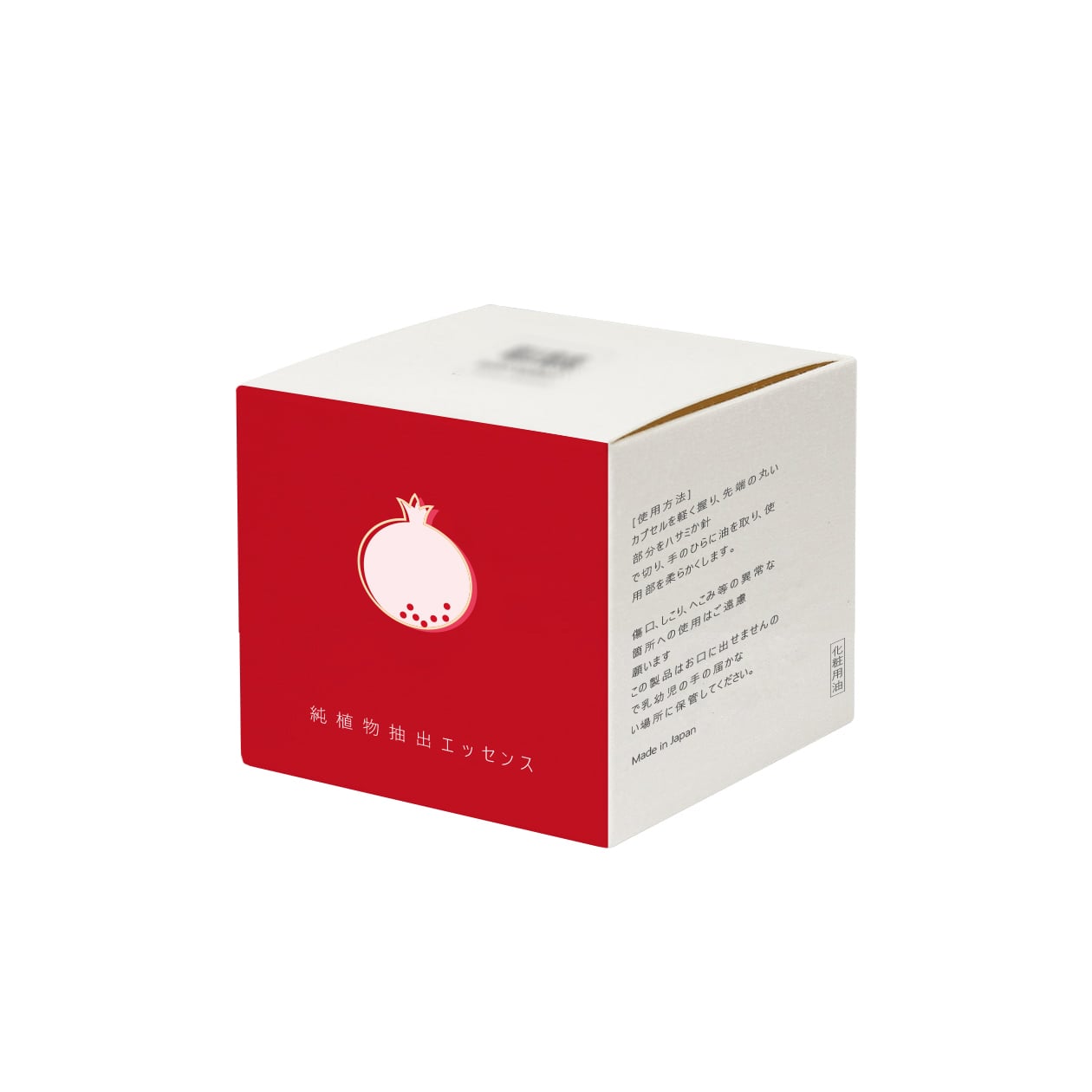
Selecting the right materials for your business represents one of the most critical decisions in modern commerce. From protecting delicate electronics during shipping to showcasing premium cosmetics on retail shelves, the choice of product packaging directly impacts brand perception, customer satisfaction, and operational costs. Today's marketplace demands product packaging solutions that balance functionality, sustainability, and aesthetic appeal while maintaining cost-effectiveness across diverse industries and applications.
The evolution of product packaging materials has accelerated dramatically over recent decades, driven by consumer preferences, environmental regulations, and technological innovations. Businesses must navigate an increasingly complex landscape of product packaging options, from traditional cardboard and plastic solutions to cutting-edge biodegradable alternatives. Understanding the strengths and limitations of each product packaging material category empowers companies to make informed decisions that align with their brand values and market positioning strategies.
Understanding Product Packaging Material Categories and Applications
Paper-Based Product Packaging Solutions
Paper and cardboard materials remain among the most versatile and widely adopted product packaging options across numerous industries. These materials offer excellent printability for product packaging, allowing brands to create vibrant graphics and detailed product information. Corrugated cardboard provides exceptional protection for shipping product packaging applications, while kraft paper delivers a natural, eco-friendly aesthetic for product packaging that resonates with environmentally conscious consumers.
The structural integrity of paper-based product packaging varies significantly based on weight, coating, and construction methods. Single-wall corrugated boxes suit lightweight items, while double-wall constructions handle heavier product packaging requirements. Specialized treatments such as moisture barriers expand the applicability of paper product packaging to food service and pharmaceutical applications where durability remains paramount.
Plastic Product Packaging Innovations
Modern plastic product packaging encompasses a diverse range of polymers, each engineered for specific performance characteristics. Polyethylene terephthalate provides crystal-clear visibility for retail product packaging while offering excellent barrier properties. High-density polyethylene delivers superior impact resistance for industrial product packaging applications.
Advanced plastic formulations for product packaging now incorporate recycled content and biodegradable additives, addressing environmental concerns. Flexible product packaging films enable innovative formats such as stand-up pouches that optimize shelf space. These developments position plastic product packaging as increasingly sustainable options when properly designed for recyclability.
Sustainability Considerations in Product Packaging Material Selection
Environmental Impact Assessment
Evaluating the environmental footprint of different product packaging materials requires comprehensive analysis beyond simple recyclability metrics. Life cycle assessments examine the complete journey of product packaging, from raw material extraction to end-of-life disposal. Carbon footprint calculations help businesses understand the climate implications of their product packaging choices.
Renewable resource utilization increasingly influences product packaging material selection decisions, with plant-based alternatives gaining market traction. Bamboo fiber product packaging offers rapid renewability, while agricultural waste products create value-added product packaging solutions. These innovations demonstrate how product packaging evolution can align environmental responsibility with commercial viability.
Circular Economy Integration in Product Packaging
Implementing circular economy principles in product packaging design requires systematic consideration of material flows. Design for recyclability guidelines help optimize product packaging structures for existing waste processing infrastructure. Extended producer responsibility programs create financial incentives for companies to invest in more sustainable product packaging.
Innovative business models such as reusable product packaging systems demonstrate alternative approaches to traditional single-use paradigms. These initiatives require careful coordination to achieve operational success for product packaging. Technology integration enables sophisticated product packaging lifecycle management and consumer engagement programs that support circularity objectives.
Performance Requirements and Testing Standards for Product Packaging
Protection and Barrier Properties
Product packaging performance requirements vary dramatically based on product characteristics and distribution channels. Fragile electronics demand cushioning materials in their product packaging, while perishable foods require precise moisture barriers. Understanding these specific requirements guides product packaging material selection and ensures adequate protection throughout the supply chain.
Standardized testing protocols provide objective measures for comparing product packaging material performance. Drop tests and compression tests simulate real-world distribution stresses for product packaging. These testing methodologies enable evidence-based decision making for product packaging and help optimize designs for specific application requirements.
Regulatory Compliance Considerations for Product Packaging
Regulatory requirements significantly influence product packaging material selection, particularly in highly regulated industries. Food contact regulations specify approved materials for product packaging components, while pharmaceutical applications demand additional sterility requirements. Understanding applicable regulations early in the product packaging design process prevents costly redesigns.
International trade considerations add complexity to product packaging regulatory compliance, as different countries maintain varying standards. Harmonized standards such as ISO certifications provide pathways for global market access for product packaging. Staying current with evolving regulations requires ongoing monitoring of product packaging requirements.
Cost Analysis and Economic Factors in Product Packaging
Total Cost of Ownership Evaluation
Comprehensive cost analysis for product packaging extends beyond initial material purchase prices to encompass storage, handling, and transportation expenses. Lightweight product packaging materials may deliver significant savings through reduced shipping costs. Conversely, lower-cost product packaging might increase damage rates and return processing expenses.
Automation compatibility influences labor costs for product packaging, with standardized formats enabling faster processing speeds. Investment in specialized product packaging equipment may justify premium material costs through improved throughput. These operational considerations for product packaging become particularly significant at high production volumes.
Supply Chain Risk Management for Product Packaging
Material availability and supply chain stability represent critical factors in product packaging selection decisions. Single-source dependencies create vulnerability for product packaging supplies, while diversified supplier networks provide resilience. Regional sourcing strategies for product packaging can reduce transportation risks and support local economic development.
Price volatility in raw materials markets affects long-term planning for product packaging, with petroleum-based materials particularly susceptible. Contract structures help manage these risks for product packaging, while alternative material options provide flexibility. Building these considerations into product packaging strategies enables more robust business planning.
Innovation Trends and Future Developments in Product Packaging
Smart Product Packaging Technologies
Emerging technologies integrate sensors and communication capabilities directly into product packaging materials. Temperature sensors in product packaging track cold chain compliance, while freshness indicators help consumers make informed decisions. These innovations represent the convergence of product packaging with Internet of Things technologies.
Augmented reality integration transforms static product packaging into interactive brand experiences. QR codes on product packaging provide pathways for consumer engagement and product authentication. These digital enhancements add value to product packaging without significantly increasing material costs.
Biodegradable and Compostable Product Packaging Alternatives
Advanced biodegradable materials offer promising alternatives for product packaging applications. These materials decompose under specific conditions without leaving harmful residues, addressing waste management challenges for product packaging. Commercial viability for such product packaging continues improving as production scales increase.
Compostable product packaging requires careful consideration of local waste management infrastructure. Industrial composting facilities operate under controlled conditions that affect product packaging material selection. Clear communication about proper disposal methods ensures that innovative product packaging achieves its sustainability objectives.
Strategic Framework for Selecting Product Packaging Materials
Developing a strategic approach to product packaging material selection involves multiple converging considerations. First, align product packaging choices with core brand values and customer expectations. Second, evaluate product packaging materials against specific product protection needs throughout the distribution cycle. Third, assess the environmental impact of product packaging options using life cycle analysis methodologies. Fourth, calculate the total cost of product packaging implementation including hidden expenses. Fifth, ensure product packaging materials comply with all relevant regulations in target markets. Sixth, consider the scalability and supply chain stability of chosen product packaging materials. Seventh, evaluate product packaging materials for compatibility with existing or planned operational equipment. Eighth, analyze product packaging materials for end-of-life disposal scenarios and consumer convenience. Ninth, explore innovative product packaging materials that may provide competitive differentiation. Tenth, establish metrics to continuously monitor and improve product packaging material performance.
Implementing a Sustainable Product Packaging Strategy
Transitioning to more sustainable product packaging requires a phased, evidence-based approach. Begin by conducting a comprehensive audit of current product packaging materials and practices. Engage suppliers early in discussions about sustainable product packaging alternatives and innovation roadmaps. Pilot new product packaging materials on a small scale to gather performance data and consumer feedback. Develop clear communication strategies to explain product packaging changes to customers and stakeholders. Consider forming industry partnerships to collectively address product packaging sustainability challenges that individual companies cannot solve alone. Track key performance indicators for product packaging sustainability, cost, and functionality to guide continuous improvement efforts.
FAQ: Product Packaging Materials
How do I determine the optimal product packaging material for my specific requirements?
Start by conducting a thorough analysis of your product characteristics and distribution channels for your product packaging. Consider environmental conditions, customer handling expectations, and brand positioning objectives for your product packaging. Consult with product packaging engineers and conduct performance testing to validate material choices. Factor in total cost of ownership for your product packaging including materials, labor, transportation, and disposal expenses.
What are the key differences between recyclable and biodegradable product packaging materials?
Recyclable product packaging materials can be processed through existing waste management systems, while biodegradable product packaging materials break down naturally under specific conditions. Recyclability of product packaging depends on local infrastructure, whereas biodegradation of product packaging requires appropriate environmental conditions. Some product packaging materials offer both properties, but proper disposal methods differ significantly.
How can I balance sustainability goals with product packaging performance and cost requirements?
Implement a systematic evaluation framework that weighs environmental impact against functional performance for your product packaging. Consider innovative product packaging material combinations that optimize multiple objectives simultaneously. Explore product packaging design modifications that reduce material usage while maintaining protection levels. Investigate supplier partnerships focused on sustainable innovation for product packaging.
What future product packaging trends should influence my material selection strategy?
Monitor developments in smart product packaging technologies that add functionality without significantly increasing costs. Stay informed about regulatory changes affecting product packaging material approvals and waste management requirements. Consider modular product packaging systems that enable customization while maintaining efficiency. Evaluate emerging biodegradable materials for product packaging that may become mainstream options.

 EN
EN
 Request An Estimate
 Projects