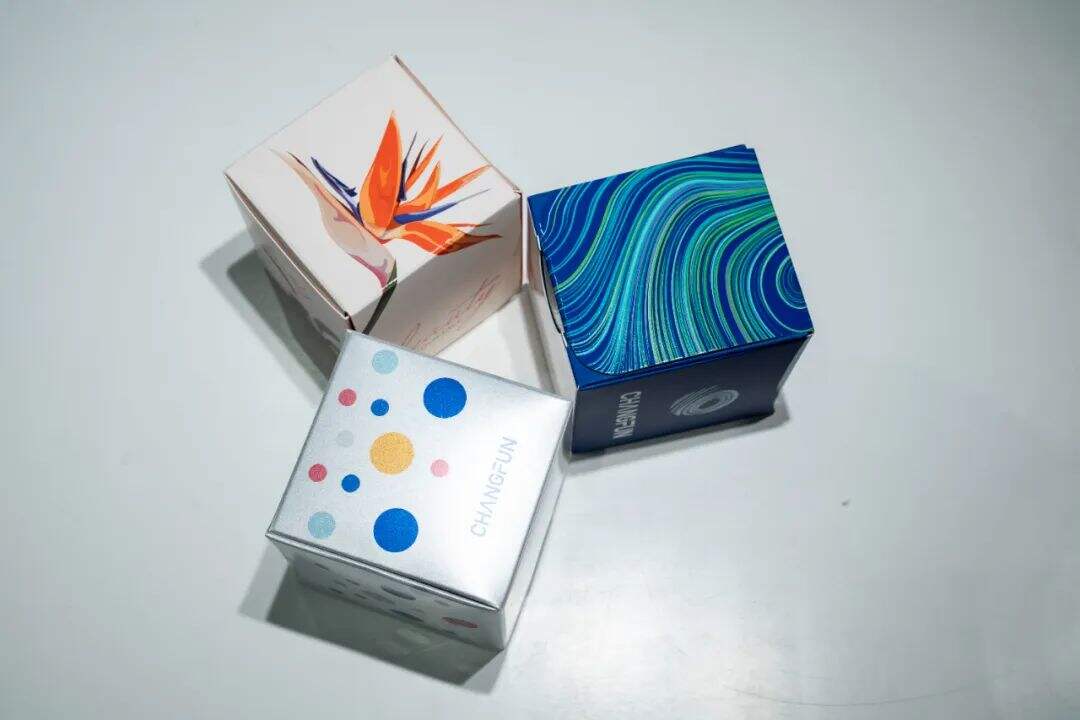
The moment a customer receives a product, the initial interaction occurs through the packaging. This first contact can determine whether the experience feels premium, thoughtful, or disappointing. Custom packaging design serves as a silent ambassador for brands, communicating values, quality expectations, and attention to detail before the actual product is even revealed. In today's competitive marketplace, businesses increasingly recognize that exceptional unboxing experiences can drive customer loyalty, social media engagement, and repeat purchases.
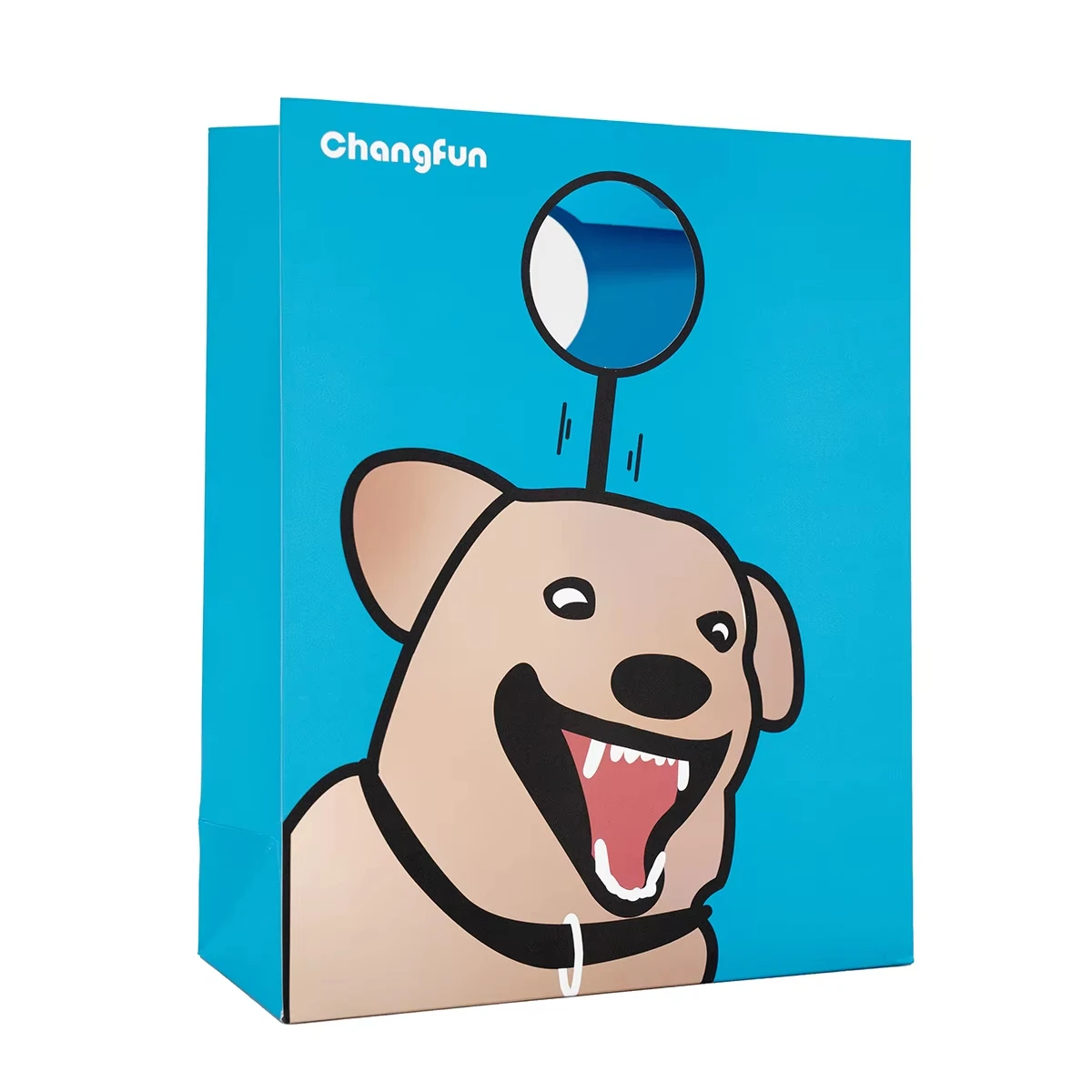
Research indicates that consumers form impressions within seconds of handling a package. The texture, weight, visual appeal, and structural integrity all contribute to perceived value. When brands invest in thoughtful custom packaging design, they create opportunities for emotional connections that extend far beyond the transaction itself. This strategic approach transforms ordinary shipping containers into memorable brand touchpoints that customers eagerly anticipate and often share with others.
Colors trigger immediate emotional responses and influence purchasing decisions at subconscious levels. Custom packaging design leverages color psychology to create desired associations between products and feelings. Warm colors like red and orange convey energy and urgency, making them effective for seasonal promotions or limited-time offers. Cool colors such as blue and green suggest reliability, sustainability, and premium quality, particularly valuable for luxury or eco-friendly products.
Brand consistency across packaging color schemes reinforces recognition and builds trust over time. When customers see familiar color combinations, they instantly connect the package to previous positive experiences. This psychological anchoring effect makes custom packaging design a powerful tool for building long-term customer relationships and encouraging brand advocacy through visual memory triggers.
Typography choices in custom packaging design communicate brand personality and guide attention to critical information. Clean, minimalist fonts suggest modern sophistication, while ornate scripts convey traditional craftsmanship or luxury positioning. The size, placement, and contrast of text elements create visual hierarchies that help customers quickly identify essential details like product names, usage instructions, or sustainability credentials.
Effective typography in packaging also considers readability across different lighting conditions and viewing distances. Custom packaging design must account for how text appears under warehouse fluorescents, natural daylight, and indoor lighting where customers ultimately open their packages. Strategic font selections ensure that important information remains accessible regardless of environmental factors, contributing to positive user experiences throughout the entire customer journey.
The physical sensation of handling packaging creates lasting impressions that visual design alone cannot achieve. Custom packaging design incorporates various surface treatments like embossing, debossing, soft-touch coatings, or textured papers to enhance tactile engagement. These finishing techniques add perceived value and create memorable moments that customers associate with quality and attention to detail.
Luxury brands often employ multiple tactile elements within a single custom packaging design to create layered sensory experiences. Velvet-lined boxes, magnetic closures, ribbon pulls, and custom die-cuts all contribute to the anticipation and satisfaction of unboxing. These physical interactions slow down the opening process, extending the moment of discovery and increasing the likelihood that customers will share their experiences on social media platforms.
Beyond aesthetic considerations, custom packaging design must balance visual appeal with practical functionality. Innovative structural solutions like easy-open tabs, resealable closures, or modular compartments enhance user convenience while maintaining protection for the enclosed products. These functional improvements demonstrate brand consideration for customer needs and can differentiate products from competitors using standard packaging approaches.
Sustainable structural design has become increasingly important as consumers prioritize environmental responsibility. Custom packaging design can incorporate recyclable materials, minimize waste through optimized dimensions, and include clear recycling instructions. When brands successfully combine sustainability with aesthetic excellence, they appeal to environmentally conscious consumers while reinforcing their commitment to responsible business practices through tangible design choices.
Effective custom packaging design serves as a storytelling medium that communicates brand values, heritage, and mission through visual narratives. Illustrated elements, photography, and graphic patterns can convey complex brand stories without requiring extensive text. These visual narratives help customers understand what the brand represents and create emotional connections that extend beyond product features and benefits.
Sequential storytelling across multiple package panels allows custom packaging design to unfold narratives gradually as customers examine different surfaces. This approach transforms the package into an engaging experience that rewards curiosity and attention. Brands can highlight sourcing stories, manufacturing processes, or founder journeys through carefully orchestrated visual sequences that build deeper relationships with customers who value authenticity and transparency.
Global brands must adapt their custom packaging design strategies to reflect local cultural preferences, symbols, and color associations. What appears sophisticated in one market might seem inappropriate or confusing in another. Successful localization goes beyond translation to include culturally relevant imagery, color schemes, and design motifs that resonate with specific demographic groups and geographic regions.
Cultural sensitivity in custom packaging design demonstrates respect for diverse customer bases and can significantly impact market acceptance in new territories. Brands that invest in culturally appropriate packaging often achieve faster market penetration and stronger customer loyalty compared to those using standardized global approaches. This localization strategy requires deep cultural research but yields substantial returns through improved customer engagement and reduced market entry resistance.
Contemporary custom packaging design increasingly incorporates digital technologies to create interactive experiences that bridge physical and online brand touchpoints. QR codes, NFC tags, and augmented reality markers transform packages into gateways for additional content, exclusive offers, or immersive brand experiences. These technological integrations extend the value proposition beyond the physical product to include ongoing digital engagement opportunities.
Smart packaging technologies enable brands to gather valuable customer behavior data while providing personalized experiences. Custom packaging design can include sensors that track opening patterns, temperature exposure, or handling frequency. This data helps brands optimize future packaging iterations while offering customers insights about product freshness, authenticity verification, or usage recommendations through connected mobile applications.
Advanced materials science enables custom packaging design to achieve environmental goals without compromising aesthetic or functional requirements. Biodegradable films, plant-based inks, and recyclable barrier coatings allow brands to maintain product protection while reducing environmental impact. These innovations appeal to sustainability-focused consumers who increasingly consider packaging waste in their purchasing decisions.
Circular economy principles influence modern custom packaging design through materials selection, end-of-life planning, and waste reduction strategies. Brands can design packages for multiple use cycles, incorporate recycled content percentages, or create take-back programs that transform used packaging into new products. These comprehensive approaches demonstrate genuine environmental commitment while creating additional customer touchpoints throughout extended product lifecycles.
Successful custom packaging design requires measurement systems that track both immediate customer responses and long-term brand impact. Key performance indicators include unboxing video shares, customer satisfaction scores, return rates, and repeat purchase frequencies. These metrics help brands understand which design elements generate positive responses and identify opportunities for continuous improvement in packaging experiences.
Advanced analytics platforms can correlate packaging design changes with sales performance, customer lifetime value, and brand sentiment measurements. Custom packaging design investments should be evaluated against these comprehensive metrics rather than focusing solely on production costs or aesthetic preferences. Data-driven design decisions enable brands to optimize packaging strategies for maximum customer engagement and business performance.
Customer interviews, focus groups, and ethnographic research provide deeper insights into how custom packaging design influences emotions, expectations, and brand perceptions. These qualitative methods reveal subtle psychological responses that quantitative metrics might miss, such as anticipation levels, gift-giving appropriateness, or storage and reuse behaviors. Understanding these nuanced reactions helps brands refine packaging strategies to better align with customer values and preferences.
Social media monitoring offers real-time feedback about custom packaging design performance through customer-generated content analysis. Brands can track hashtag usage, sentiment analysis, and visual content themes to understand which packaging elements generate positive responses. This continuous feedback loop enables rapid iterations and improvements that keep packaging experiences fresh and relevant to evolving customer expectations.
Emerging technologies enable custom packaging design to incorporate individual customer preferences, purchase histories, or demographic characteristics into unique package variations. Variable data printing, on-demand manufacturing, and artificial intelligence algorithms can create thousands of package variations from a single design template. This personalization approach makes each customer feel uniquely valued while maintaining cost efficiency through automated production systems.
Predictive analytics help brands anticipate customer preferences and create proactive custom packaging design variations that surprise and delight recipients. Machine learning algorithms can identify patterns in customer behavior, seasonal preferences, or regional trends to suggest optimal packaging approaches for specific customer segments. This data-driven personalization creates competitive advantages through superior customer experience delivery.
Future custom packaging design must seamlessly integrate with multiple touchpoints across digital and physical retail environments. Packages should reinforce brand experiences from online advertisements, social media content, retail displays, and customer service interactions. This omnichannel consistency strengthens brand recognition and creates cohesive customer journeys regardless of purchase channels or fulfillment methods.
Adaptive packaging systems will automatically adjust design elements based on fulfillment channels, destination locations, or customer profiles while maintaining core brand identity. Custom packaging design platforms will enable real-time modifications for seasonal campaigns, regional preferences, or inventory optimization without requiring extensive redesign processes. This flexibility allows brands to remain responsive to market changes while maintaining packaging quality and consistency.
Custom packaging design offers complete control over visual elements, materials, and structural features that directly influence customer perceptions and experiences. Unlike standard packaging, custom solutions can incorporate brand-specific colors, typography, imagery, and functional elements that align perfectly with marketing strategies and customer expectations. This alignment creates stronger brand recognition, increased perceived value, and higher customer satisfaction compared to generic packaging alternatives that fail to communicate unique brand positioning.
Sustainable custom packaging design demonstrates genuine environmental commitment that resonates with increasingly eco-conscious consumers. When brands use recyclable materials, minimize waste, and provide clear disposal instructions, customers feel good about their purchases and are more likely to recommend the brand to others. This positive association between environmental responsibility and brand values creates emotional connections that drive repeat purchases and long-term customer relationships beyond product quality alone.
Exceptional unboxing experiences created through thoughtful custom packaging design generate organic social media content that serves as authentic user-generated marketing. Customers naturally share visually appealing, surprising, or emotionally engaging packaging experiences with their social networks, creating valuable brand exposure without additional advertising costs. These authentic endorsements carry more credibility than traditional marketing messages and can significantly expand brand reach through customer advocacy and viral sharing patterns.
Small businesses can leverage custom packaging design to compete effectively against larger competitors by creating memorable brand experiences that build strong customer relationships. Custom packaging allows small brands to communicate their unique stories, values, and attention to detail in ways that mass-produced alternatives cannot match. This differentiation strategy helps small businesses command premium pricing, reduce customer acquisition costs through word-of-mouth marketing, and build loyal customer bases that support sustainable business growth despite limited marketing budgets.

 EN
EN
 Request An Estimate
 Projects