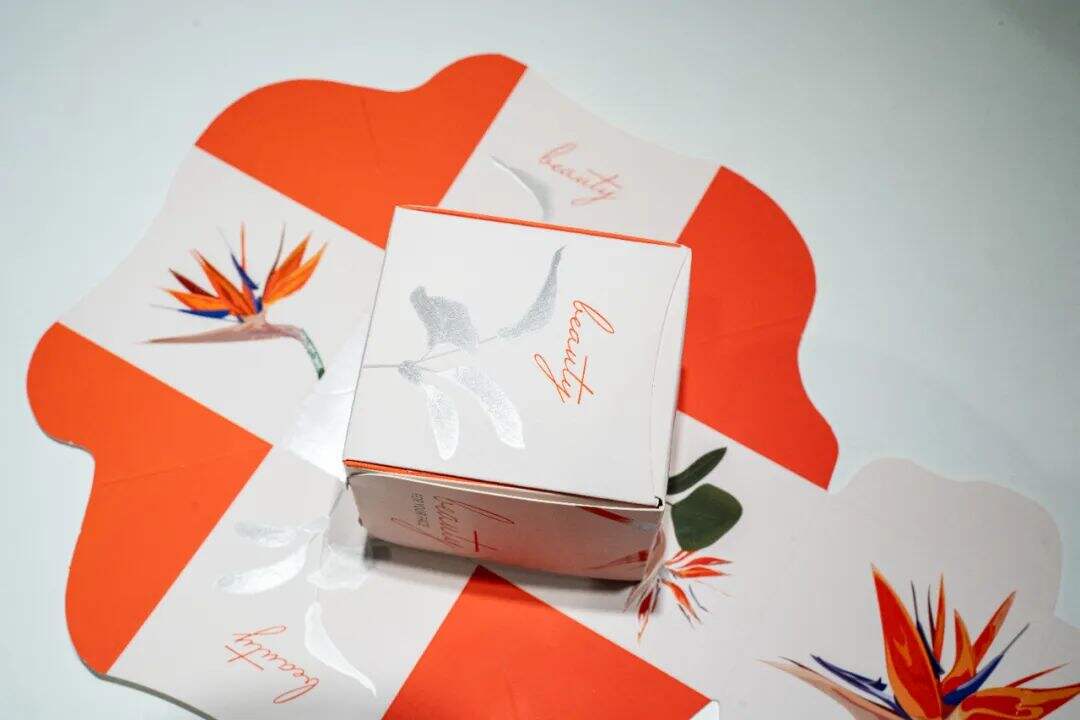
In today's increasingly competitive business landscape, companies across industries are discovering that custom packaging has evolved from a luxury marketing tool to an essential competitive advantage. As consumer expectations continue to rise and brand differentiation becomes more challenging, businesses are recognizing that custom packaging serves as a powerful medium for storytelling, brand recognition, and customer experience enhancement. The shift toward personalized packaging solutions reflects broader market trends where consumers actively seek unique, memorable experiences that align with their values and preferences.
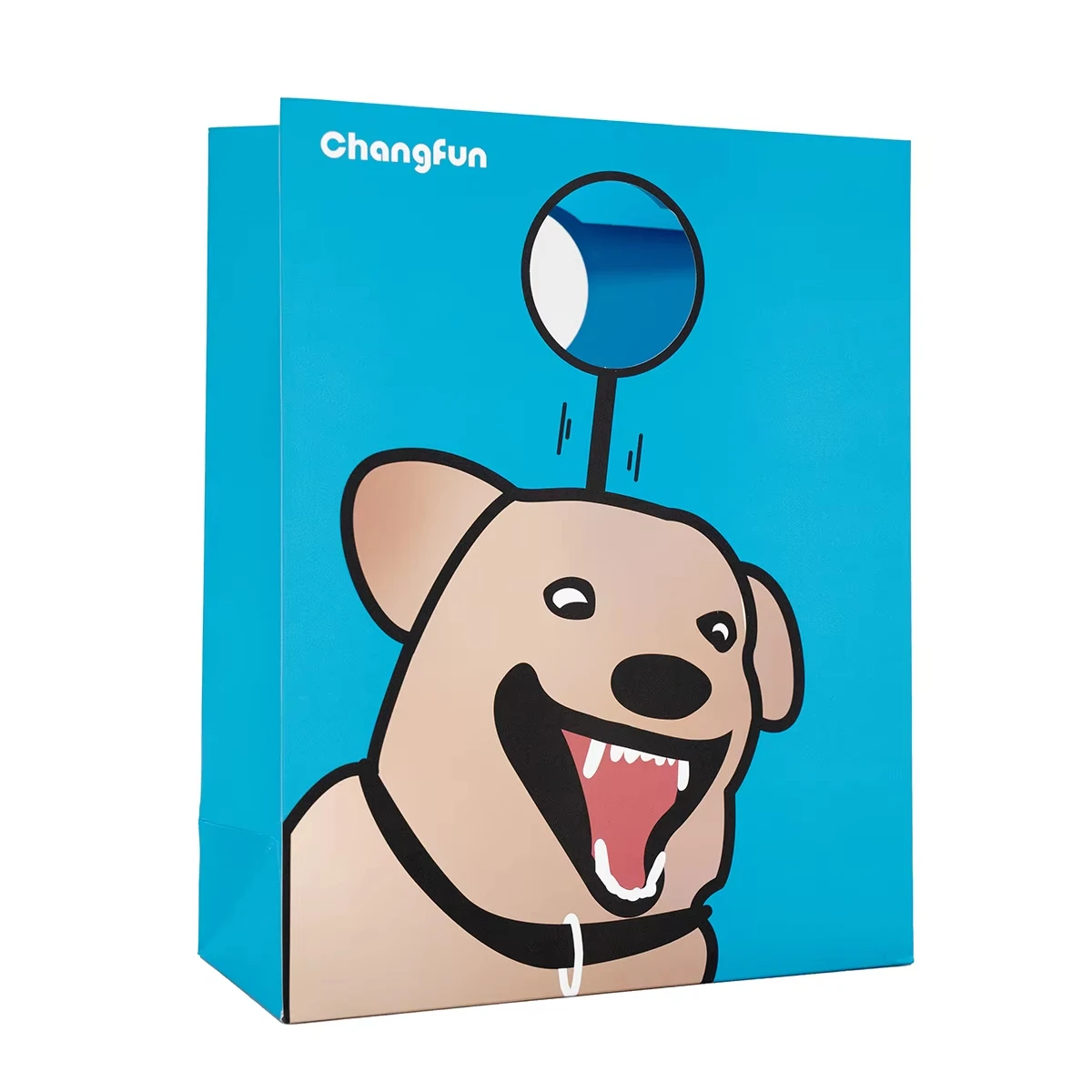
Market research indicates that businesses implementing custom packaging strategies report significantly higher customer satisfaction rates and improved brand recall compared to those using standard packaging solutions. This transformation has prompted companies to reconsider their packaging investments, viewing them not merely as protective containers but as strategic marketing assets that can drive sales, enhance customer loyalty, and establish market positioning. The evolution of custom packaging reflects changing consumer behaviors and the increasing importance of unboxing experiences in the digital age.
Custom packaging enables businesses to create distinctive brand identities that stand out in crowded marketplaces. Unlike generic packaging solutions, customized designs incorporate specific brand colors, logos, typography, and messaging that reinforce brand recognition at every customer touchpoint. Companies utilizing custom packaging report increased brand awareness and improved customer retention rates, as personalized packaging creates memorable experiences that encourage repeat purchases and word-of-mouth marketing.
The visual impact of custom packaging extends beyond immediate aesthetic appeal to influence purchasing decisions and perceived product value. Research demonstrates that consumers often associate high-quality packaging with superior product quality, making custom packaging an investment in perceived value enhancement. This psychological connection between packaging quality and product perception creates opportunities for businesses to justify premium pricing while building stronger emotional connections with their target audiences.
Modern consumers increasingly value personalized experiences, and custom packaging provides an effective avenue for delivering individualized customer interactions. Businesses can incorporate customer names, special messages, or personalized design elements that create emotional connections and enhance the overall unboxing experience. This level of personalization transforms routine product deliveries into memorable moments that customers often share on social media platforms, generating organic marketing benefits.
The unboxing experience has become particularly important in e-commerce environments where physical interaction with products before purchase is limited. Custom packaging compensates for this limitation by creating anticipation and excitement around product delivery, effectively extending the shopping experience beyond the initial purchase decision. Companies report that customers who receive products in custom packaging are more likely to document and share their experiences online, amplifying brand visibility through user-generated content.
The explosive growth of e-commerce has fundamentally changed packaging requirements, with businesses recognizing that custom packaging serves as a critical touchpoint in digital customer journeys. Unlike traditional retail environments where products compete for attention on physical shelves, e-commerce businesses rely on packaging to create lasting impressions and encourage customer loyalty. This shift has made custom packaging an essential component of comprehensive digital marketing strategies.
Social media platforms have amplified the importance of visually appealing packaging, as customers frequently share unboxing videos and photos that can reach thousands of potential customers. Businesses leveraging custom packaging report significant increases in organic social media engagement and user-generated content creation. This organic marketing value often exceeds the initial investment in custom packaging design and production, making it a cost-effective marketing strategy.
Environmental concerns have become increasingly important factors in packaging decisions, with consumers actively seeking brands that demonstrate commitment to sustainability. Custom packaging allows businesses to incorporate eco-friendly materials and communicate environmental values through design choices and messaging. Companies that prioritize sustainable custom packaging solutions often experience improved brand perception and customer loyalty among environmentally conscious consumers.
The integration of sustainability messaging into custom packaging design creates opportunities for businesses to differentiate themselves while addressing growing environmental concerns. Recyclable materials, minimalist designs, and clear sustainability communications help brands align with consumer values and regulatory requirements. This alignment between custom packaging choices and environmental responsibility has become a competitive advantage in markets where sustainability is increasingly important to purchasing decisions.
Successful custom packaging implementation requires careful consideration of brand identity, target audience preferences, and functional requirements. Businesses should develop comprehensive design guidelines that ensure consistency across all packaging elements while maintaining flexibility for product-specific customizations. The design process should incorporate feedback from marketing teams, product managers, and customer service representatives to ensure that custom packaging aligns with broader business objectives.
Effective custom packaging design balances aesthetic appeal with practical functionality, ensuring that packages protect products during shipping while creating positive customer experiences. Companies should consider factors such as unboxing ease, product presentation, and storage requirements when developing custom packaging solutions. The most successful implementations integrate brand storytelling elements that educate customers about company values, product benefits, or usage instructions.
While custom packaging typically requires higher initial investments compared to standard packaging options, businesses can optimize return on investment through strategic planning and volume considerations. Companies should analyze packaging costs as marketing expenses rather than purely operational costs, considering the branding and customer experience benefits alongside protective functionality. This perspective often reveals that custom packaging investments generate positive returns through increased customer satisfaction and organic marketing value.
Effective cost management strategies include negotiating volume discounts with suppliers, standardizing certain design elements across product lines, and implementing phased rollout approaches that allow for testing and refinement. Businesses can also explore hybrid approaches that combine custom design elements with standardized base packaging to achieve cost efficiencies while maintaining brand differentiation. Regular analysis of packaging performance metrics helps companies optimize their custom packaging investments over time.
Technological advances are creating new opportunities for custom packaging innovation, with smart packaging solutions that incorporate digital elements such as QR codes, NFC tags, and augmented reality features. These technologies enable businesses to extend packaging functionality beyond physical protection to include digital experiences, product authentication, and customer engagement opportunities. Custom packaging with integrated technology can provide access to exclusive content, product information, or loyalty program benefits.
The integration of digital technologies into custom packaging creates data collection opportunities that help businesses better understand customer behaviors and preferences. Analytics from smart packaging interactions can inform future product development, marketing strategies, and packaging improvements. This data-driven approach to custom packaging optimization enables continuous improvement and enhanced customer experience delivery.
Manufacturing technology improvements are making custom packaging more accessible and cost-effective for businesses of various sizes. Digital printing capabilities, automated cutting systems, and on-demand production methods reduce minimum order quantities and lead times for custom packaging solutions. These technological advances enable smaller businesses to compete with larger companies through distinctive packaging designs that were previously cost-prohibitive.
Automation technologies also enable greater customization flexibility, allowing businesses to create variable data printing, seasonal design variations, and limited edition packaging runs without significant cost increases. This flexibility supports dynamic marketing campaigns and product launches that require specialized packaging solutions. The combination of automation and custom packaging capabilities provides businesses with responsive, scalable packaging solutions that can adapt to changing market conditions.
Retail businesses across categories are implementing custom packaging strategies to enhance product presentation and customer experience. Fashion retailers use custom packaging to reinforce brand luxury and style, while food companies leverage custom packaging to communicate freshness, quality, and nutritional benefits. Beauty brands particularly benefit from custom packaging that reflects product sophistication and creates Instagram-worthy unboxing experiences that drive social media engagement.
Consumer electronics companies utilize custom packaging to protect complex products while providing clear setup instructions and accessory organization. The unboxing experience for high-value electronics often influences customer satisfaction and product reviews, making custom packaging investment particularly valuable for technology brands. These applications demonstrate how custom packaging requirements vary by industry while providing universal benefits for brand building and customer engagement.
Business-to-business companies are increasingly recognizing the value of custom packaging for professional image enhancement and client relationship building. Industrial suppliers use custom packaging to demonstrate attention to detail and quality commitment, which can influence purchasing decisions and contract renewals. Professional service companies implementing custom packaging for client deliveries report improved client satisfaction and enhanced perceived value of their services.
Trade show and promotional applications of custom packaging provide B2B companies with memorable marketing tools that extend brand exposure beyond initial interactions. Custom packaging for sample products, promotional materials, or corporate gifts creates lasting impressions that support sales processes and relationship building efforts. The professional appearance of custom packaging in B2B contexts often correlates with improved business development outcomes and client retention rates.
Businesses should evaluate their target market preferences, competitive landscape, brand positioning objectives, and budget constraints when considering custom packaging investments. Key factors include customer demographic analysis, product value proposition, shipping requirements, and marketing strategy alignment. Companies should also consider the potential return on investment through increased brand recognition, customer satisfaction, and organic marketing value generated by distinctive packaging designs.
Small businesses can access custom packaging through several cost-effective strategies, including partnering with local printing companies, utilizing digital printing for smaller quantities, and implementing phased rollout approaches that spread costs over time. Many suppliers offer tiered pricing structures that make custom packaging accessible for smaller order volumes. Additionally, businesses can start with simple customization elements such as branded stickers or stamps before investing in fully custom packaging solutions.
Sustainable custom packaging options include recyclable materials such as cardboard, paper, and biodegradable plastics, as well as minimalist design approaches that reduce material usage. Companies can incorporate post-consumer recycled content, vegetable-based inks, and water-based adhesives to minimize environmental impact. Many suppliers now offer eco-friendly custom packaging solutions that maintain visual appeal while supporting environmental responsibility goals.
Businesses can measure custom packaging effectiveness through metrics such as customer satisfaction surveys, social media engagement rates, unboxing video shares, repeat purchase rates, and brand recognition studies. Sales data analysis, customer feedback collection, and competitive benchmarking provide quantitative insights into packaging performance. Companies should also track cost per impression and customer acquisition costs to evaluate the marketing value of their custom packaging investments compared to traditional advertising channels.
 EN
EN
 Request An Estimate
 Projects