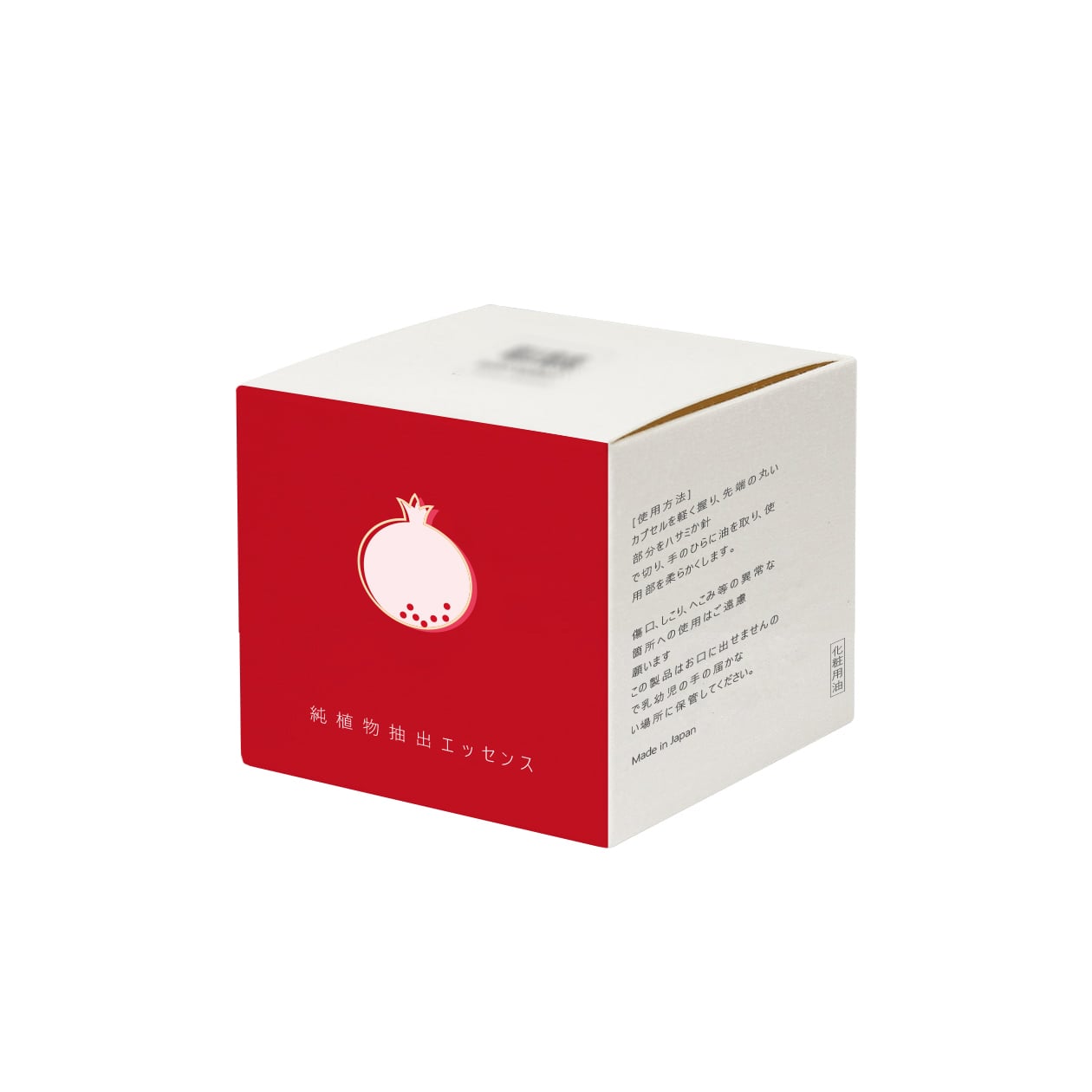
In markets where shelves and digital storefronts overflow with similar products, standing out is not optional — it is a survival requirement. custom packaging has emerged as one of the most powerful tools businesses use to separate themselves from the competition. It shapes first impressions, communicates brand values, and transforms a functional container into a strategic marketing asset.
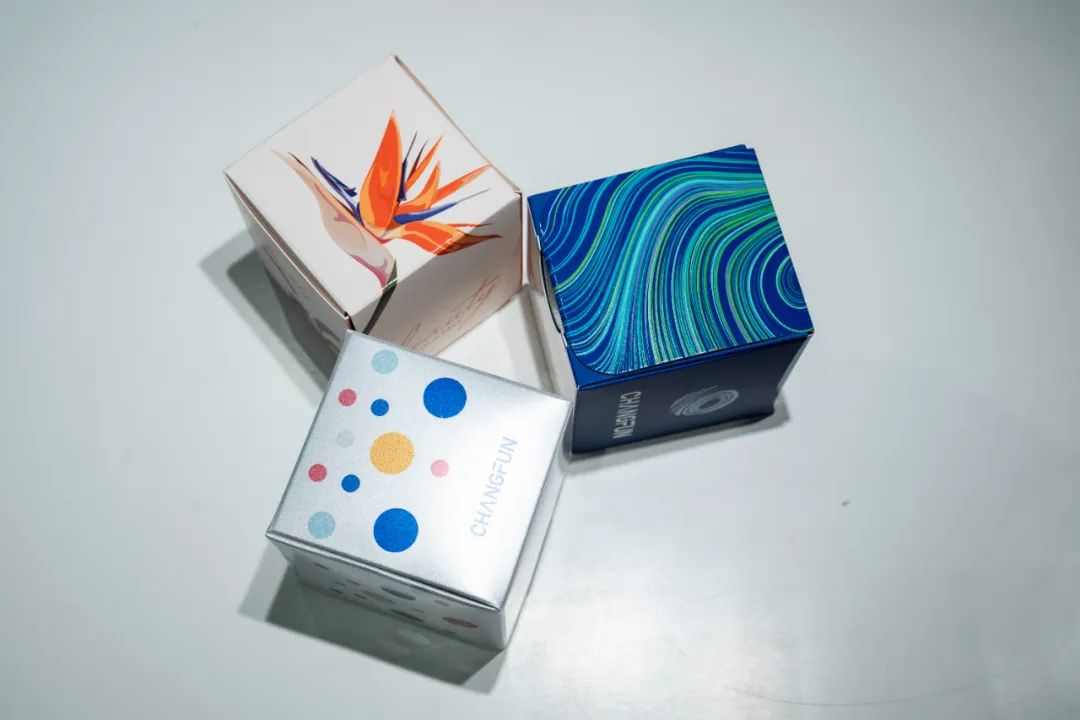
Understanding how custom packaging enhances product differentiation requires looking beyond aesthetics. It involves examining how packaging influences buyer psychology, reinforces brand identity, supports sustainability goals, and delivers memorable unboxing experiences. Each of these dimensions directly affects how a product is perceived against its competitors, making custom packaging a core business strategy rather than a cosmetic choice.
Custom packaging gives a brand a visual language that communicates instantly. When a buyer encounters custom packaging that carries consistent colors, logos, and typography, the brand registers in memory more deeply than any product description could achieve. This visual consistency across every custom packaging touchpoint — from shipping boxes to retail bags — builds recognition over time and strengthens brand recall at the moment of purchase decision.
In competitive markets, buyers are often choosing between products with near-identical specifications. Custom packaging bridges that gap by giving the product a personality. A well-designed custom packaging solution signals quality, care, and professionalism, all within the first few seconds of a buyer's encounter. This immediate impression can be the deciding factor between two comparable items on a shelf or in an online catalog.
Custom packaging is not just a container — it is a storytelling medium. Brands use custom packaging to communicate their values, heritage, and unique selling propositions without relying solely on advertising. The choice of material in custom packaging, whether recycled kraft paper or premium art paper with CMYK printing, already signals a brand's commitment to quality or sustainability before the product is ever used.
When custom packaging carries a carefully crafted narrative — through taglines, imagery, or structural design — it creates an emotional connection with the buyer. This connection is what transforms a one-time transaction into repeat loyalty. Custom packaging that tells a coherent story positions the product not merely as a commodity but as an experience worth choosing again.
Custom packaging plays a decisive role in the unboxing experience, which has become a powerful influence in both B2B and consumer markets. When buyers receive a product in custom packaging that feels intentional — with clean finishes, structural integrity, and cohesive design — they associate that care with the product quality itself. Custom packaging, in this sense, elevates the perceived value of the product inside, even before it is used.
This perception effect is especially significant in categories such as food, cosmetics, jewelry, clothing, and tea, where the packaging experience is inseparable from the product experience. Custom packaging designed for these sectors must balance visual appeal with functional protection, ensuring that the buyer's first tactile encounter reinforces confidence in the purchase. Premium custom packaging that achieves this balance becomes a direct driver of differentiation.
Buyers who receive impressive custom packaging are significantly more likely to share their experience — through word of mouth, social media, or direct referrals. This organic amplification transforms custom packaging into a low-cost marketing channel. In industries with high repeat-purchase potential, such as cosmetics or specialty food, custom packaging reinforces the brand at every reorder point, making it harder for competitors to displace an established relationship.
Custom packaging also plays a role in B2B markets where corporate buyers evaluate supplier professionalism. A supplier that delivers products in well-executed custom packaging signals reliability and attention to detail, qualities that influence long-term procurement decisions. Custom packaging thus contributes to both consumer retention and professional credibility across market segments.
Price competition erodes margins and feature competition requires ongoing R&D investment. Custom packaging offers a differentiation pathway that is harder for competitors to replicate quickly. Because effective custom packaging requires alignment between brand strategy, design execution, and material sourcing, it creates a barrier that goes beyond what a price cut can easily counter. Custom packaging becomes part of the product itself, not merely a wrapper around it.
Businesses that invest in custom packaging consistently report stronger brand preference in customer surveys and higher average order values. When custom packaging distinctly communicates a brand's unique position — whether that is luxury, eco-consciousness, playfulness, or precision engineering — it attracts buyers who resonate with that identity. Custom packaging effectively filters for the right customers and repels mismatched expectations, reducing returns and dissatisfaction.
Sustainability has moved from a niche preference to a mainstream purchasing criterion in many industries. Custom packaging that uses recyclable, biodegradable, or responsibly sourced materials sends a clear signal to environmentally aware buyers. This signal is itself a form of product differentiation, one that custom packaging delivers passively and continuously at every buyer touchpoint.
Brands that adopt sustainable custom packaging not only reduce environmental impact but also gain credibility with buyers, retailers, and partners who prioritize ESG alignment. Custom packaging solutions using art paper with CMYK printing, for example, can combine visual impact with recyclability, achieving both aesthetic differentiation and sustainability signaling simultaneously. This dual benefit makes custom packaging a strategic investment with compounding returns in competitive environments.
Industries where buyer experience and visual appeal are central — such as cosmetics, food, jewelry, clothing, tea, and promotional goods — benefit most from custom packaging. In these sectors, custom packaging directly influences purchase decisions, perceived quality, and brand loyalty, making it a measurable competitive advantage.
Standard packaging fulfills containment and protection functions without contributing to brand identity. Custom packaging integrates brand-specific design, materials, and messaging to create a distinct product presence. This distinction allows businesses using custom packaging to command premium pricing and stronger buyer preference compared to products in generic packaging.
Custom packaging has become increasingly accessible for small and mid-sized businesses due to advances in printing technology and flexible minimum order quantities. The return on investment from custom packaging — measured through increased brand recognition, higher perceived value, and improved buyer retention — consistently justifies the investment even for businesses operating at moderate scale.

 EN
EN
 Request An Estimate
 Projects