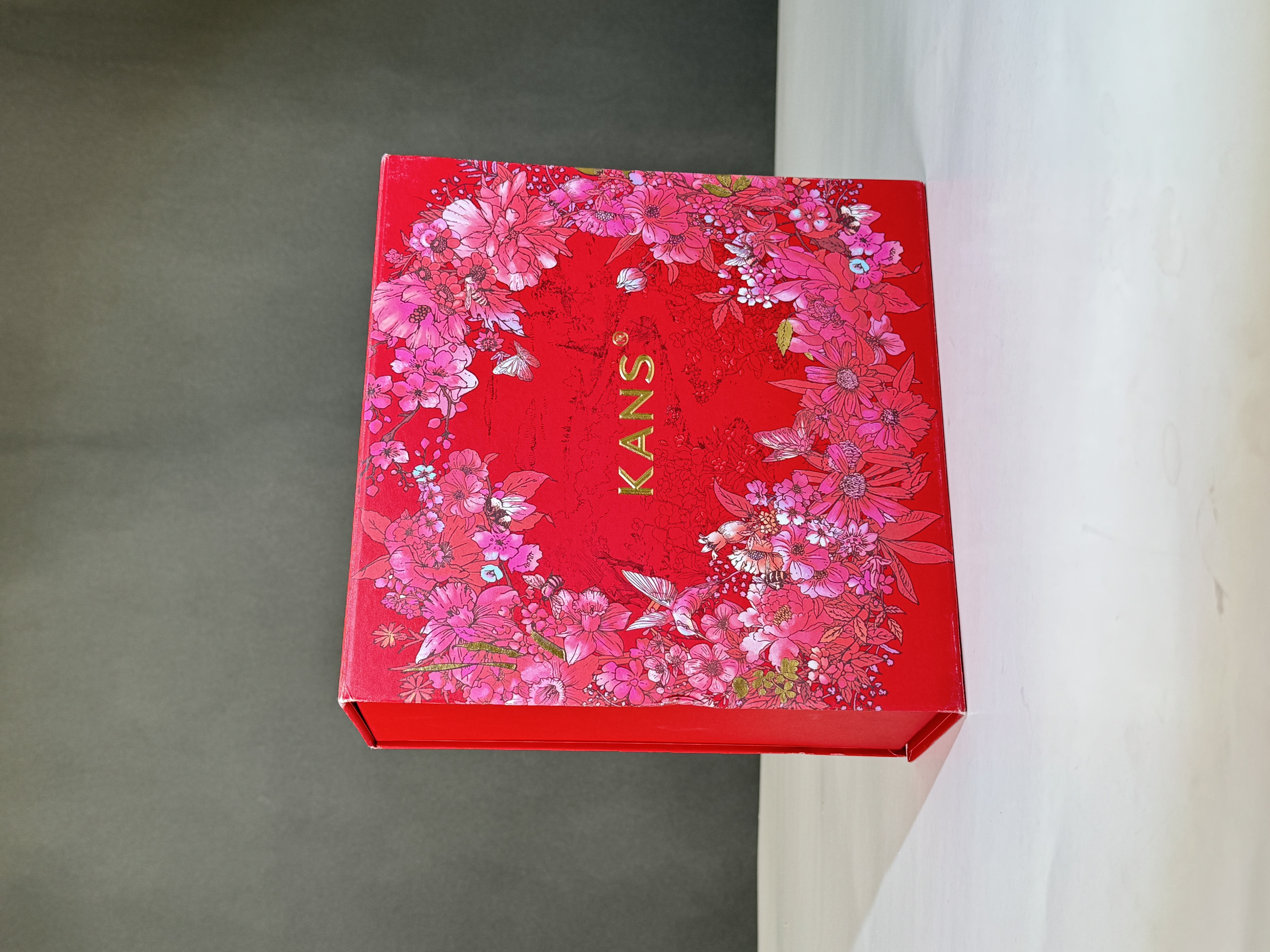
Every industry operates under a unique set of demands, and custom packaging is one of the most powerful tools brands use to meet those demands effectively. Whether a business sells food, cosmetics, clothing, or electronics, the way a product is packaged communicates quality, purpose, and brand identity before a single word is read. Custom packaging is not a one-size-fits-all solution — it must be engineered to serve the specific functional, regulatory, and aesthetic requirements of each sector.
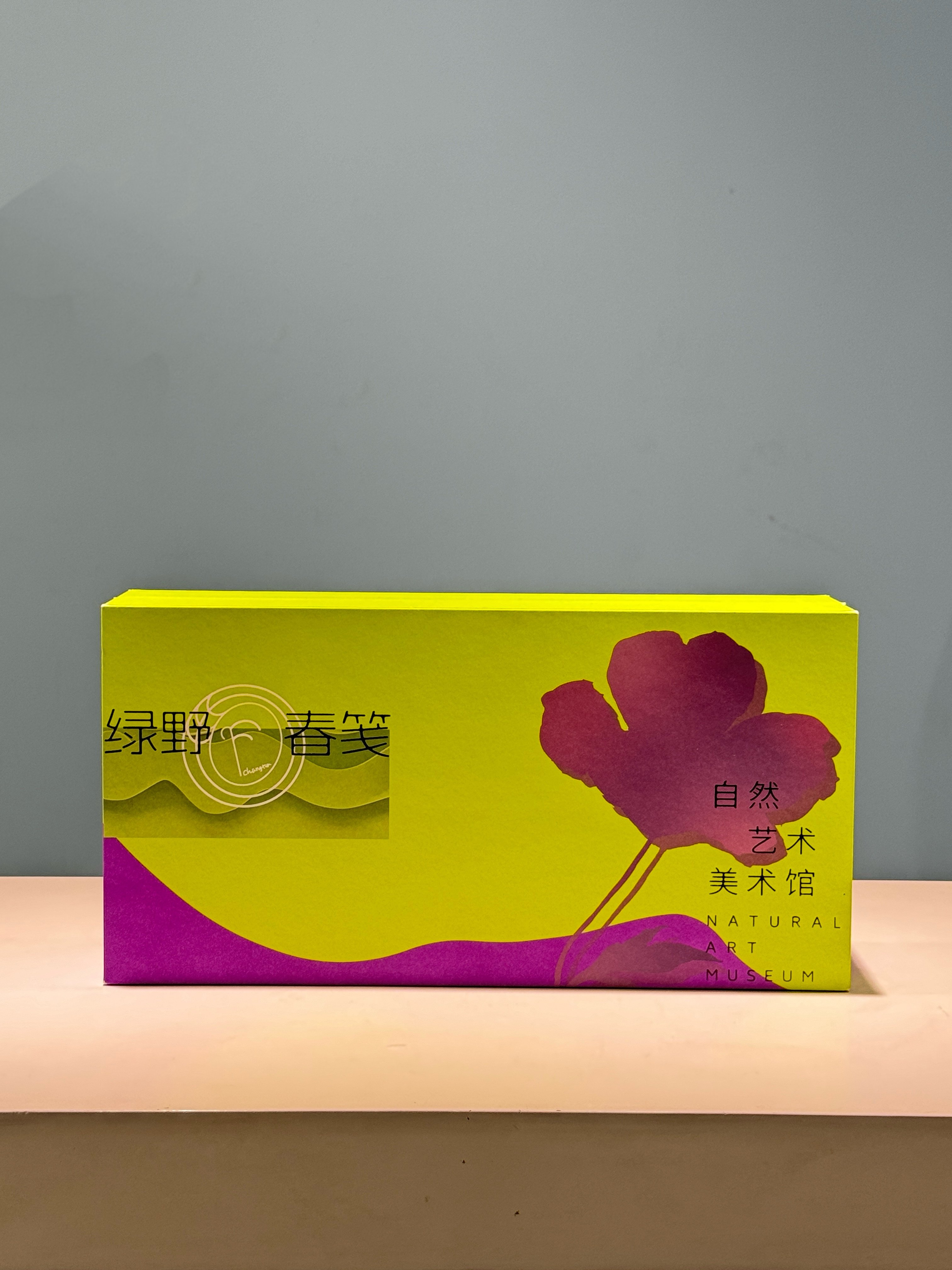
Understanding the factors that shape custom packaging design across different industries helps businesses make smarter sourcing decisions, reduce waste, and strengthen their brand presence at every touchpoint. From raw material selection to print finish choices, custom packaging decisions carry real strategic weight. This article explores the core factors that influence how custom packaging is designed when it is tailored to specific industry contexts.
One of the most foundational factors in custom packaging design is the choice of materials. Different industries impose different physical requirements on their custom packaging. Food and beverage brands need materials that are food-safe, moisture-resistant, and sometimes temperature-controlled. Cosmetics brands often require custom packaging that preserves product integrity by resisting oxidation and contamination. Jewelry and luxury goods demand custom packaging that conveys premium quality through tactile feel, weight, and finish.
Custom packaging for clothing and shoes typically prioritizes lightweight materials that are easy to handle while still delivering a strong unboxing experience. Tea and beverage brands may require custom packaging with aroma-sealing properties. In each case, the material chosen is not simply a structural decision — it is a functional one that directly determines how well the custom packaging serves its intended purpose in that industry.
Sustainability has become a major driver in custom packaging design across nearly every industry. Eco-conscious consumers and tightening environmental regulations have pushed brands to reconsider how their custom packaging is made and disposed of. Recyclable art paper, biodegradable inks, and minimal plastic usage are now common criteria in custom packaging briefs for food, cosmetics, and promotional categories. Custom packaging that carries a visible sustainability commitment also reinforces brand values and appeals to modern buyers who make purchasing decisions based on environmental responsibility.
Visual identity is a central pillar of custom packaging strategy. The way a brand appears on its custom packaging — through logo placement, color systems, typography, and finish — must remain consistent with its broader identity while adapting to the unique display context of each industry. Cosmetics brands tend to favor clean, minimal custom packaging with spot UV or foil stamping to emphasize luxury. Food brands often rely on bold, appetite-stimulating color palettes and clear product imagery in their custom packaging to drive purchase decisions at point of sale.
Custom packaging for promotions and gifting requires designs that feel celebratory and premium, while tea and wellness brands often use natural tones and hand-drawn visuals to reinforce organic positioning. In each scenario, CMYK printing technology allows custom packaging to achieve precise, vibrant color reproduction that matches brand guidelines exactly. The visual quality of custom packaging directly impacts perceived product value, especially in competitive retail environments where shelf presence determines sales.
Beyond overall aesthetic, logo placement and print finish selection are technical decisions that affect how custom packaging performs in context. A custom packaging design for a jewelry brand might incorporate debossed logos and matte lamination to create an understated luxury feel. A custom packaging solution for a retail clothing brand might use full-bleed gloss printing with a bold graphic to maximize visual impact. Custom packaging used for food delivery must balance print quality with practical durability, since the packaging will be handled multiple times before reaching the end consumer. These finish-level decisions are as important as structural design in determining the overall effectiveness of custom packaging.
Industries such as food, cosmetics, and pharmaceuticals operate under strict regulatory frameworks that directly shape custom packaging requirements. Food-grade custom packaging must comply with safety standards governing material composition, ink toxicity, and barrier properties. Cosmetics custom packaging must meet labeling requirements that specify ingredient listings, usage instructions, and certifications. These compliance factors are not optional — they define the baseline that all custom packaging in those sectors must meet before any creative or branding work begins.
Custom packaging designers working across regulated industries must understand these legal constraints deeply. Non-compliant custom packaging can result in product recalls, penalties, and reputational damage. As a result, the design process for custom packaging in regulated sectors typically involves close coordination between packaging engineers, brand teams, and legal or compliance advisors to ensure that every element meets the required standards while still delivering visual impact.
Protection is a non-negotiable function of custom packaging in many industries. Electronics and fragile goods require custom packaging with engineered cushioning and rigid structural support. Shoes and clothing benefit from custom packaging that resists crushing and maintains shape during transit. Custom packaging for glass cosmetic containers must account for shock absorption and secure closure. The structural design of custom packaging must therefore be aligned with the physical vulnerabilities of the product it contains, the conditions it will face during shipping, and the expectations customers have when they open it.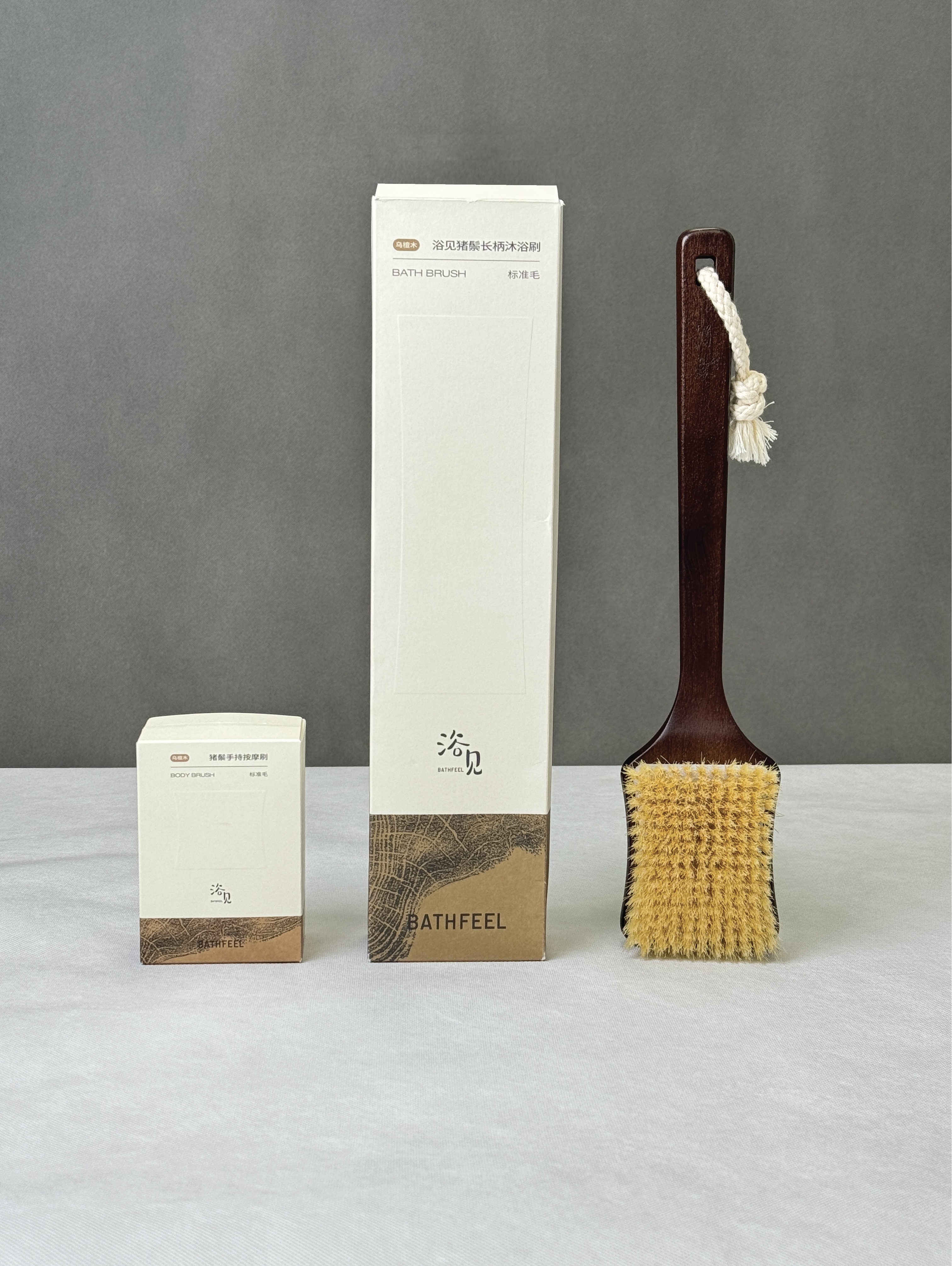
Custom packaging design differs between industries because each sector has unique functional requirements, regulatory obligations, and brand positioning needs. Food custom packaging prioritizes safety and freshness, while luxury goods custom packaging focuses on tactile quality and visual impact. These differences mean that custom packaging must be approached with industry-specific knowledge and design intent.
Sustainability plays a significant role in modern custom packaging by influencing material selection, production methods, and end-of-life disposal options. Many industries now require custom packaging to be recyclable or made from responsibly sourced materials. Custom packaging that demonstrates environmental responsibility can also strengthen brand perception and appeal to eco-conscious buyers.
Print quality directly affects how consumers perceive the value of custom packaging and the product inside it. High-quality CMYK printing ensures that custom packaging reproduces brand colors accurately and consistently. Premium finishes such as foil stamping or matte lamination on custom packaging signal quality and attention to detail, which can justify higher price points and improve customer loyalty.

 EN
EN
 Request An Estimate
 Projects