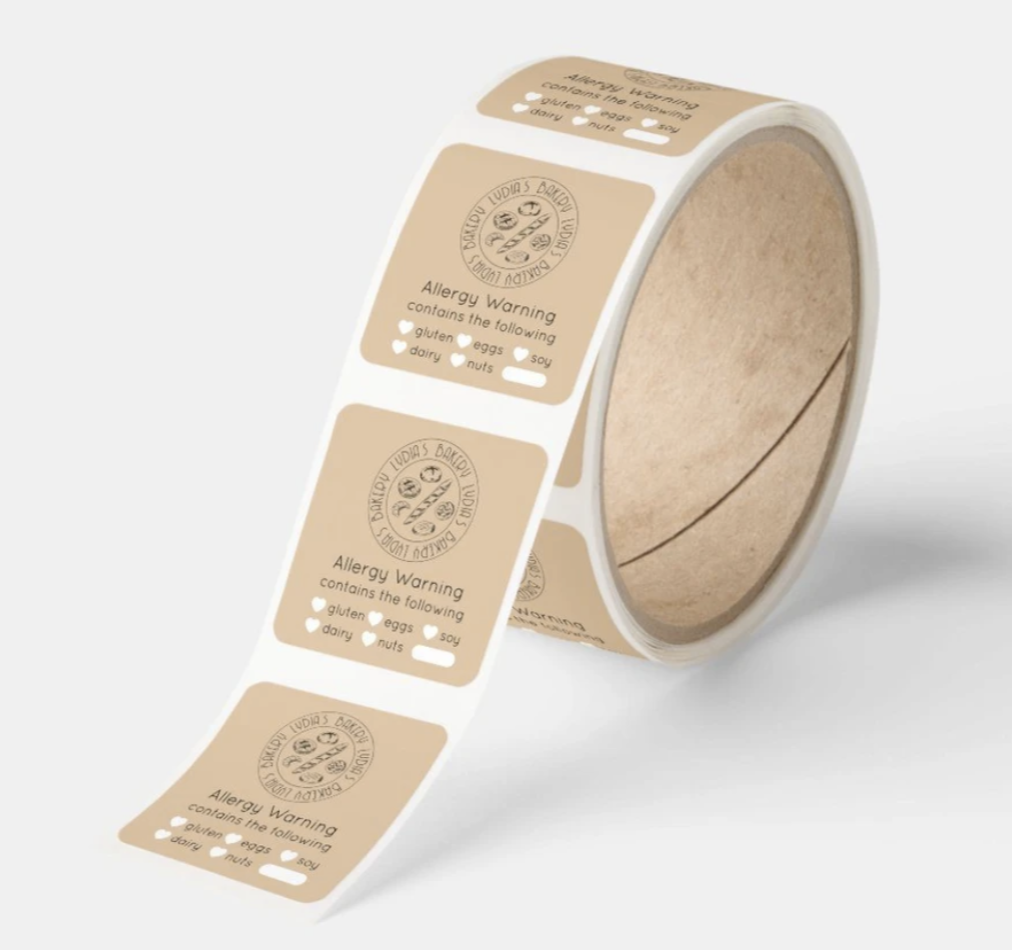
The packaging industry is undergoing a rapid transformation, and at the center of this evolution lies the custom label technology revolution. Modern businesses recognize that a custom label is no longer just an informational component attached to products. Today, a custom label serves as a strategic marketing tool, a compliance instrument, and a sustainability statement all in one. The evolution of custom label design, materials, and printing methodologies reflects broader industry demands for personalization, efficiency, and environmental responsibility. Understanding how custom label technology is advancing helps businesses make informed decisions about their packaging strategies and remain competitive in increasingly demanding markets.
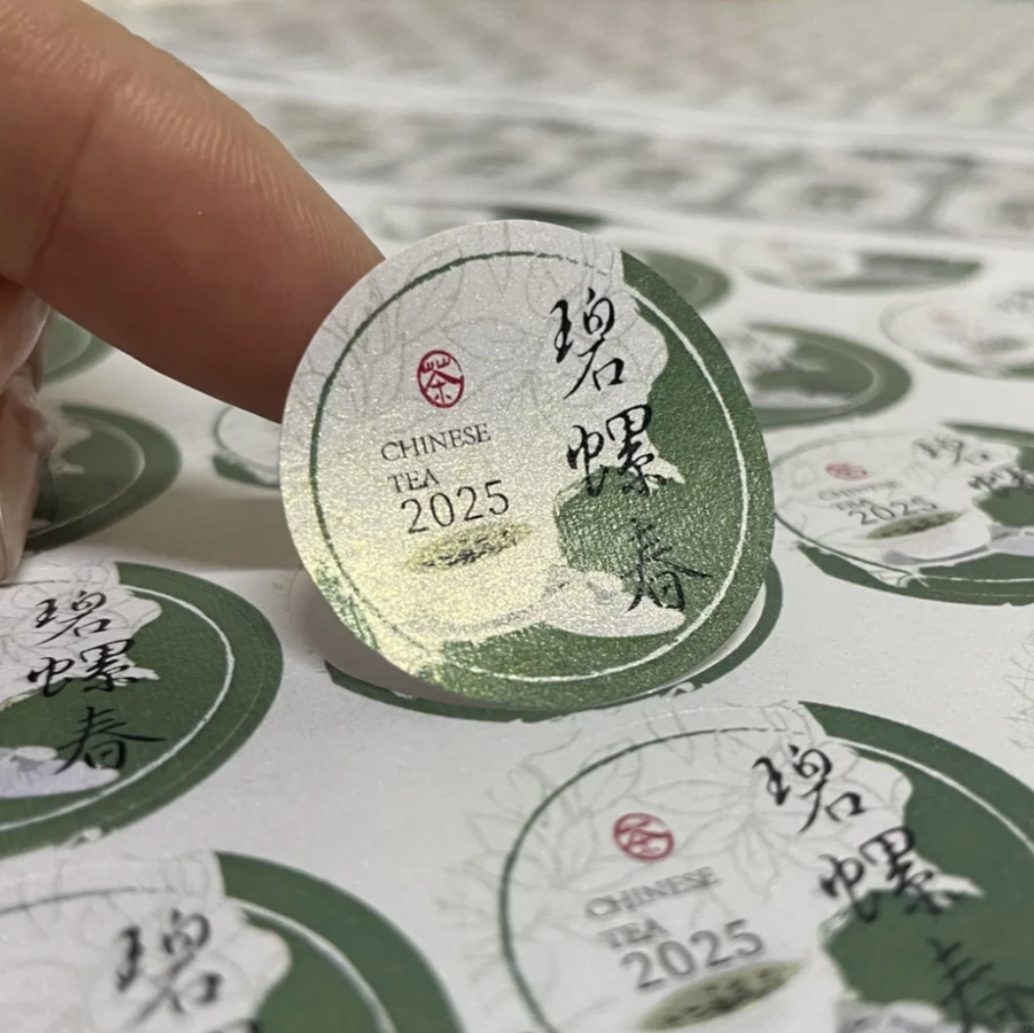
The progression of custom label solutions has been driven by technological innovations that enable brands to achieve levels of personalization previously considered impossible. Digital printing, variable data capabilities, and smart labeling technologies have fundamentally changed what a custom label can accomplish. As consumer preferences shift toward authentic, traceable, and visually distinct products, the demand for advanced custom label implementations continues to accelerate. Companies across food, beverage, cosmetics, pharmaceuticals, and luxury goods sectors are now leveraging custom label capabilities to differentiate their offerings and strengthen brand loyalty.
The shift toward digital printing has fundamentally reshaped how custom label manufacturers approach production. Digital printing eliminates the need for printing plates, allowing for short-run productions and immediate design changes without costly setup delays. This technology enables businesses to create a custom label with exceptional color accuracy and fine detail resolution that rival traditional offset printing. Hybrid printing systems combine digital and conventional methods, allowing manufacturers to leverage the speed of digital for variable elements while maintaining the quality and efficiency of traditional offset for consistent backgrounds. The result is a custom label that combines personalization capabilities with production efficiency, making premium packaging accessible to businesses of all sizes.
Modern custom label technology now incorporates sophisticated variable data printing that enables unique identification on every unit. Each custom label can feature individualized content, including serial numbers, QR codes, personalized messaging, or micro-segmented information tailored to specific market regions. This capability transforms a custom label from a static informational element into a dynamic engagement tool. Serialization technology integrated into custom label production facilitates track-and-trace functionality, combating counterfeiting and enabling supply chain transparency. For brands managing multiple SKUs or running personalized campaigns, this evolution in custom label capabilities represents a significant competitive advantage.
Sustainability concerns have driven substantial innovation in custom label materials. Modern custom label manufacturers now offer substrates made from recycled paper, biodegradable polymers, and ocean-recovered plastics. A custom label created from environmentally responsible materials allows brands to communicate their sustainability commitment directly to consumers. The development of compostable adhesives compatible with custom label applications further expands eco-friendly options without compromising performance. These material innovations demonstrate that a custom label can simultaneously deliver premium aesthetics and environmental stewardship. Choosing sustainable materials for a custom label has become a brand differentiation strategy rather than merely a compliance requirement.
Beyond visual appeal, modern custom label technology incorporates specialized coatings that enhance durability and product protection. Anti-scratch, water-resistant, and UV-protective finishes can be applied to a custom label to ensure longevity in challenging environments. Temperature-sensitive inks embedded in custom label applications provide real-time product condition monitoring, particularly valuable in pharmaceuticals and food distribution. Oleophobic and hydrophobic coatings protect a custom label from degradation when exposed to oils, moisture, or harsh handling conditions. These functional enhancements transform a custom label into a protective barrier that preserves product integrity while maintaining visual clarity and brand messaging throughout the product lifecycle.
The integration of augmented reality (AR) capabilities into custom label design represents a watershed moment in packaging technology. A custom label embedded with AR markers can unlock digital experiences when scanned with smartphone cameras, providing consumers with product tutorials, authentication verification, or immersive brand narratives. This technology transforms a custom label from a passive informational surface into an interactive gateway connecting physical products to digital ecosystems. Brands utilizing custom label AR capabilities report enhanced consumer engagement, improved brand recall, and valuable first-party data collection through consumer interactions. The convergence of physical and digital through custom label technology enables storytelling experiences that traditional packaging cannot achieve.
Advanced custom label solutions now incorporate multiple security features that combat product counterfeiting and enable precise inventory tracking. Blockchain-verified custom label identifiers create tamper-evident authentication that consumers and supply chain partners can independently verify. Microfluidic printing technologies enable the creation of custom label features invisible to the naked eye but readable by specialized scanners, providing covert security layers. Machine-readable elements integrated into custom label design facilitate automated sorting, verification, and recall management across global supply chains. For pharmaceutical, luxury, and high-value product categories, these security-focused custom label innovations have become essential infrastructure rather than optional enhancements. A custom label incorporating multiple verification layers significantly reduces fraud risk while streamlining supply chain operations.
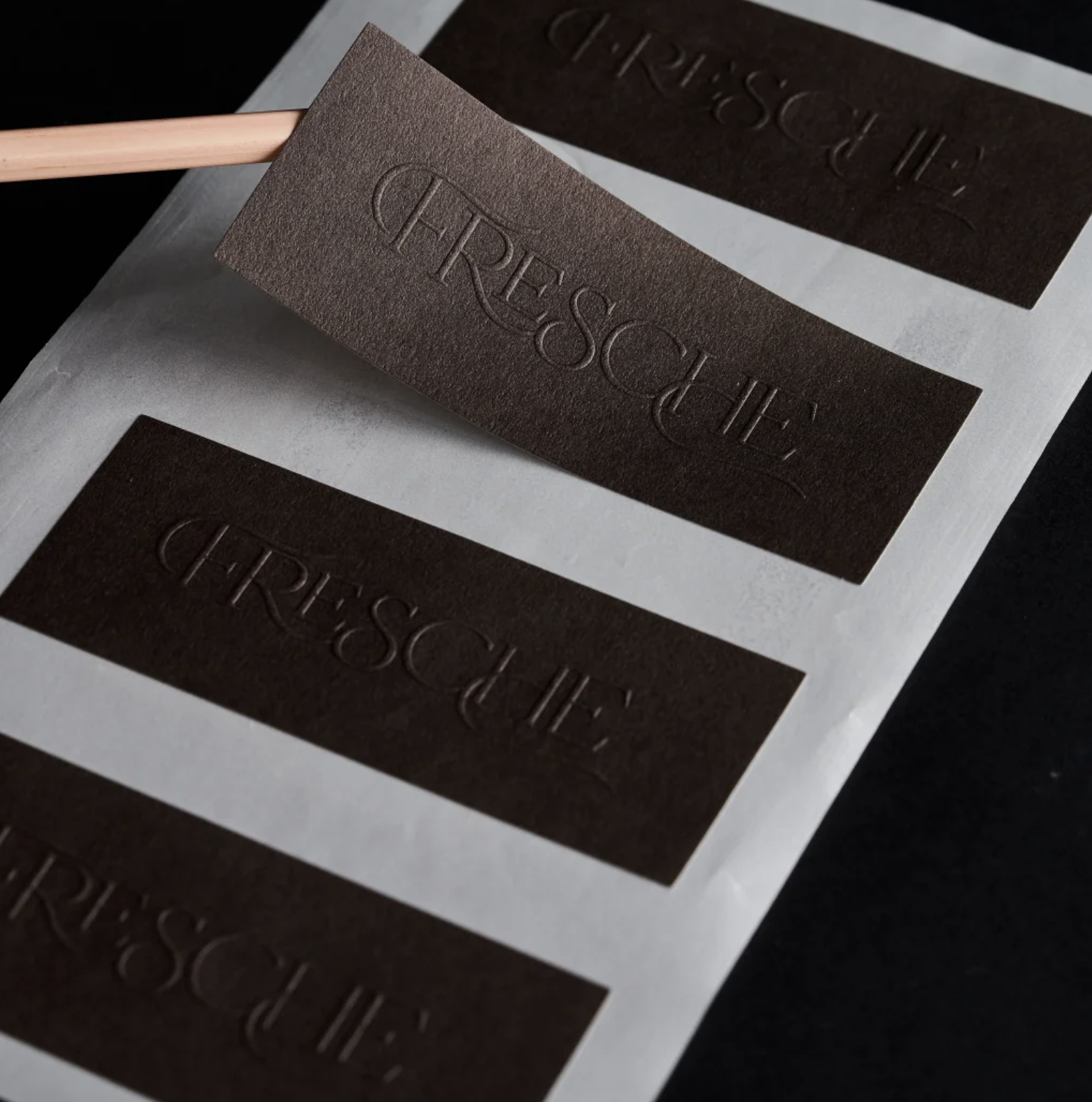
Modern custom label technology leverages digital printing, variable data capabilities, and smart integration features that traditional methods cannot replicate. While conventional labeling relied on static designs and standardized applications, contemporary custom label solutions enable per-unit personalization, real-time data capture, security verification, and interactive digital connectivity. A custom label today serves multiple functions simultaneously—marketing, compliance, authentication, and consumer engagement—integrated into a single intelligent packaging component that adapts to specific use cases and brand objectives.
Custom label technologies incorporating serialization, QR codes, and blockchain verification enable precise track-and-trace capabilities throughout supply chains. Each custom label contains unique identifiers that link physical products to digital records, allowing stakeholders to verify authenticity, monitor movement, and respond quickly to recalls. This transparency built into custom label infrastructure reduces counterfeiting, prevents unauthorized distribution, and enables brands to gather supply chain intelligence that informs inventory management and demand forecasting decisions.
Yes, contemporary custom label manufacturers offer premium-grade recyclable, biodegradable, and ocean-recovered materials that deliver superior performance while supporting environmental objectives. A custom label produced from sustainable substrates with eco-friendly adhesives and functional coatings maintains visual clarity, durability, and protective qualities while allowing brands to authentically communicate sustainability commitments to environmentally conscious consumers. Material selection no longer requires compromising between environmental responsibility and product performance.
 EN
EN
 Request An Estimate
 Projects