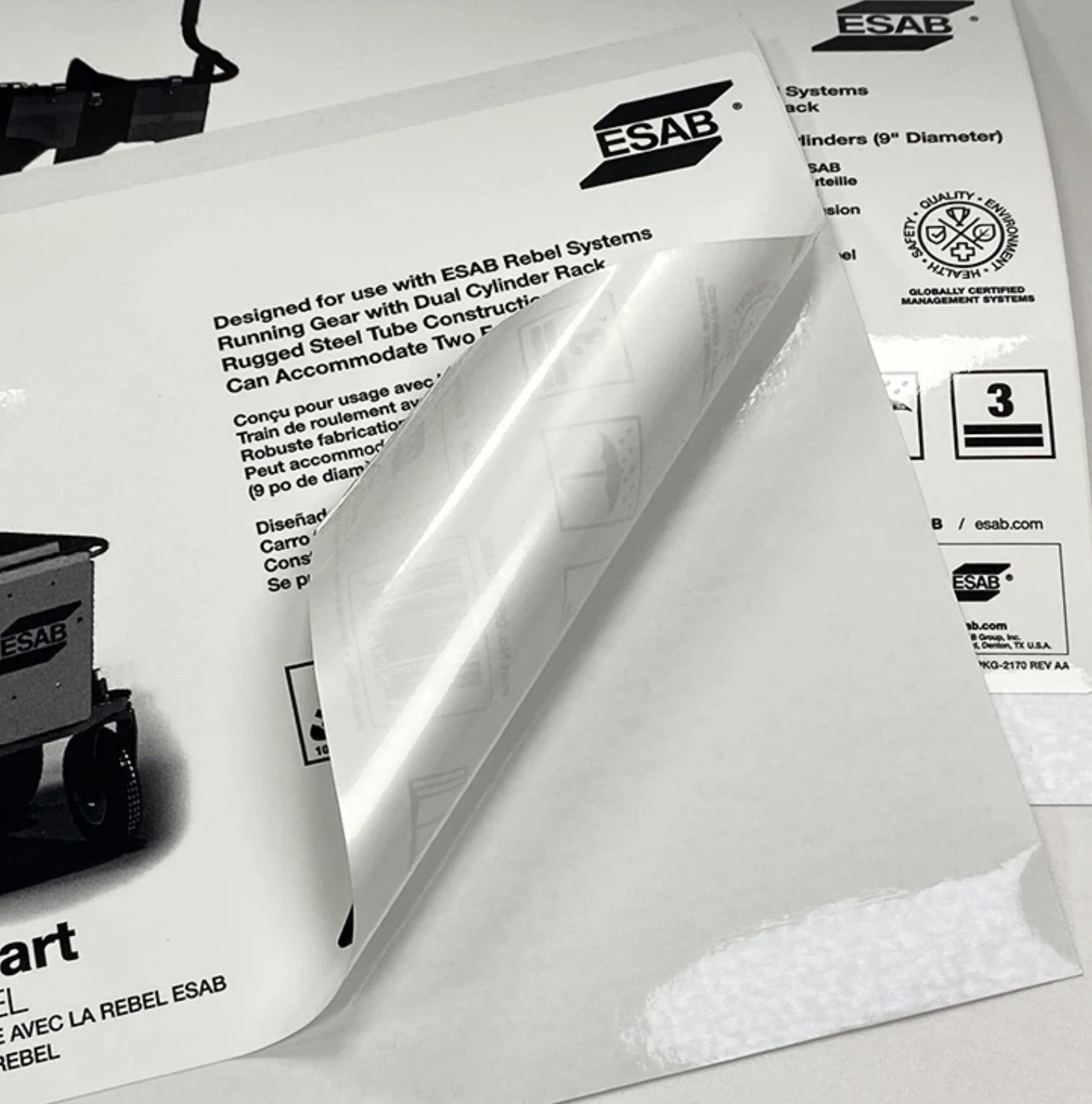
Custom labels serve as critical components across diverse industries, from food and beverage to pharmaceuticals, cosmetics, and logistics. The durability of a custom label directly impacts brand perception, regulatory compliance, and product shelf life. Understanding which factors influence custom label performance is essential for manufacturers and businesses seeking reliable labeling solutions that withstand real-world conditions.
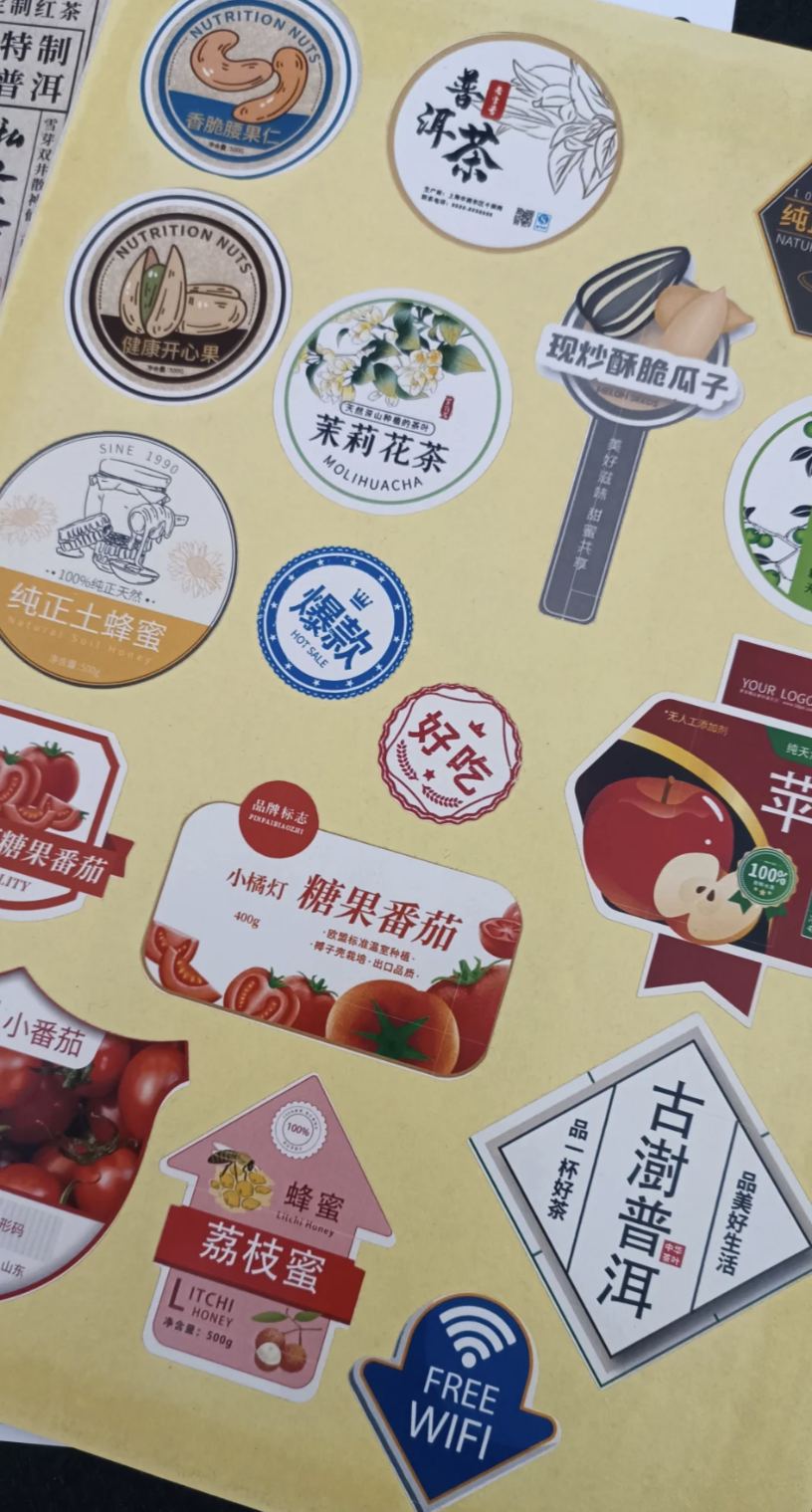
When selecting a custom label for your specific application, durability cannot be treated as a secondary consideration. A custom label that fails prematurely in harsh environments, extreme temperatures, or high-moisture conditions creates significant business disruption, regulatory risk, and waste. This article explores the key factors that determine custom label durability performance across different industrial applications and use cases.
The foundation of any custom label lies in its substrate material. Paper-based custom label options offer affordability and printability, yet show vulnerability to moisture, temperature fluctuation, and chemical exposure. Synthetic materials like polypropylene and polyester provide superior resistance to water, oils, and environmental stress, making them ideal for demanding applications. A custom label designed for outdoor storage must use materials engineered to resist UV degradation, whereas a custom label intended for refrigerated products needs substrates that maintain adhesion at freezing temperatures. The choice between matte and gloss finishes on your custom label also affects durability by influencing how the surface resists abrasion and chemical contact.
The adhesive selected for your custom label is equally critical as the substrate itself. Permanent adhesives create strong bonds suited for long-term applications, while removable adhesives serve temporary labeling needs. For a custom label destined for freezer environments, specialized low-temperature adhesives prevent the label from peeling or separating due to contraction and expansion cycles. Oil-resistant adhesives are essential when a custom label must perform on cosmetic or food containers with oily residues. Temperature range, humidity tolerance, and chemical compatibility all influence how well the adhesive maintains the custom label's position and readability throughout its intended lifespan.
Environmental conditions represent one of the most significant durability challenges for any custom label. Indoor warehouse storage typically subjects a custom label to stable temperatures and moderate humidity, allowing simpler material specifications. Conversely, outdoor applications expose a custom label to direct sunlight, extreme temperature swings, rain, and UV radiation that degrade ink quality, fade colors, and compromise substrate integrity. A custom label for frozen food must endure repeated thawing cycles without cracking or separating from the container. High-temperature applications, such as sterilization or heat-sealing processes, require custom label materials with elevated melting points and ink formulations that resist fading and smudging under thermal stress. Marine and coastal environments present aggressive salt spray exposure that accelerates corrosion of both the label substrate and its adhesive system, demanding specialized custom label designs with enhanced protection.
Pharmaceutical and industrial applications impose severe chemical exposure demands on any custom label. A custom label in a chemical storage facility must resist solvents, acids, bases, and petroleum products without degradation or ink transfer. Food-grade custom labels require resistance to fats, oils, alcohol-based sanitizers, and aqueous solutions used during manufacturing and cleaning processes. Cosmetic and personal care products often contact custom label surfaces with silicones, alcohols, and botanical extracts that can penetrate paper-based substrates and compromise print quality. Testing custom label resistance to these specific chemical families before deployment ensures the label maintains readability and adhesion throughout the product's shelf life, preventing costly recalls or mislabeled shipments.
The printing technology used to produce your custom label influences its durability characteristics. Offset printing creates a durable custom label with vibrant colors and excellent ink adhesion, suitable for high-volume production runs with demanding specifications. Digital printing enables smaller batch sizes and personalization options for custom label applications while offering faster turnaround times. However, digital-printed custom labels may show reduced durability if inferior inks are employed, particularly regarding fade resistance and water resistance. Thermal transfer printing produces extremely durable custom labels ideal for warehouse applications, barcodes, and harsh industrial environments where the custom label must resist abrasion, thermal exposure, and chemical contact over extended periods.
Premium ink formulations ensure that your custom label maintains color vibrancy, barcode readability, and text clarity throughout its intended lifespan. Budget-grade inks fade rapidly under UV exposure, causing custom label information to become illegible and reducing brand appeal on retail shelves. Specialized inks designed for specific substrates optimize the durability of a custom label by ensuring proper adhesion, preventing cracking, and resisting moisture penetration. For a custom label intended to display variable information or barcodes, ink selection directly impacts how long that custom label remains scannable and compliant with regulatory requirements. UV-resistant inks are essential for outdoor-facing custom labels, while fade-resistant pigments protect custom label quality in well-lit retail environments and direct sunlight applications.
Different industries establish specific durability standards that custom labels must meet. Food and beverage manufacturers require custom labels to pass FDA compliance tests and maintain adhesion through washing, temperature exposure, and extended storage. Pharmaceutical companies mandate that custom labels remain legible and secure throughout the product's shelf life, often requiring accelerated aging tests to validate custom label performance. Automotive and industrial sectors impose extreme durability requirements on custom labels used for component identification, as product safety depends on persistent label readability. Understanding which standards apply to your custom label ensures that the selected material, adhesive, and printing method will deliver the performance level your application demands, preventing regulatory violations and field failures.
Before deploying a custom label at scale, rigorous testing validates its durability across anticipated use conditions. Accelerated aging protocols subject custom labels to elevated temperatures and humidity levels to simulate extended real-world exposure within compressed timeframes. Water immersion tests confirm that a custom label resists degradation when exposed to moisture typical of refrigerated or outdoor storage. Abrasion resistance testing measures how well your custom label surface withstands friction from handling, stacking, and package movement during distribution. Chemical resistance validation ensures that a custom label maintains integrity when contacted with substances specific to its application, such as oils in cosmetic packaging or sanitizers in pharmaceutical facilities. These comprehensive testing approaches provide confidence that the custom label will perform reliably throughout its commercial lifecycle.
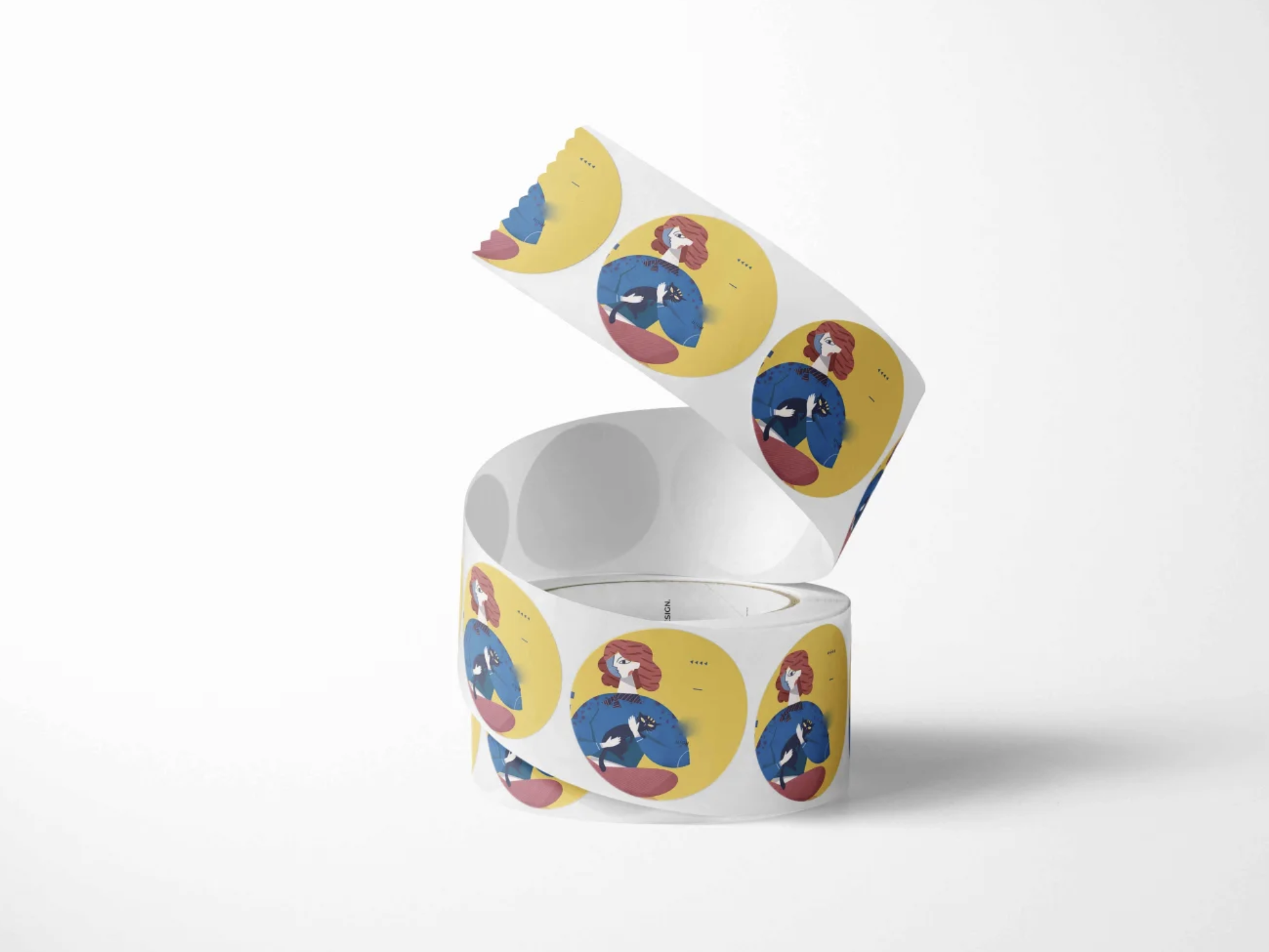
Material selection, adhesive compatibility, and environmental exposure collectively determine custom label durability. However, substrate choice has the most fundamental impact because it establishes the foundation for adhesion, moisture resistance, and chemical tolerance. A high-quality custom label built on an inappropriate substrate will still fail prematurely, whereas a properly engineered custom label substrate paired with suitable adhesive and ink will perform reliably across demanding applications. Always begin durability planning by identifying the most challenging environmental conditions your custom label will face.
Custom labels engineered for specific applications rarely transfer successfully to different environments without redesign. A custom label formulated for indoor warehouse storage lacks the UV protection required for outdoor use. Similarly, a custom label intended for dry goods storage may fail when exposed to oils, moisture, or extreme temperature variations in different applications. Application-specific testing and material selection ensure that your custom label meets the unique durability demands of its intended use, preventing costly failures and maintaining regulatory compliance across diverse business operations.
Businesses should collaborate with experienced labeling partners to specify custom label materials, adhesives, and printing methods based on detailed application analysis. Request accelerated aging test results, chemical resistance validation, and temperature cycling data specific to your custom label design. Custom label samples should be tested in actual use conditions before full-scale production deployment. Establishing clear durability specifications, documenting material choices, and maintaining testing records ensures that your custom label consistently meets performance expectations and regulatory requirements across production runs.

 EN
EN
 Request An Estimate
 Projects