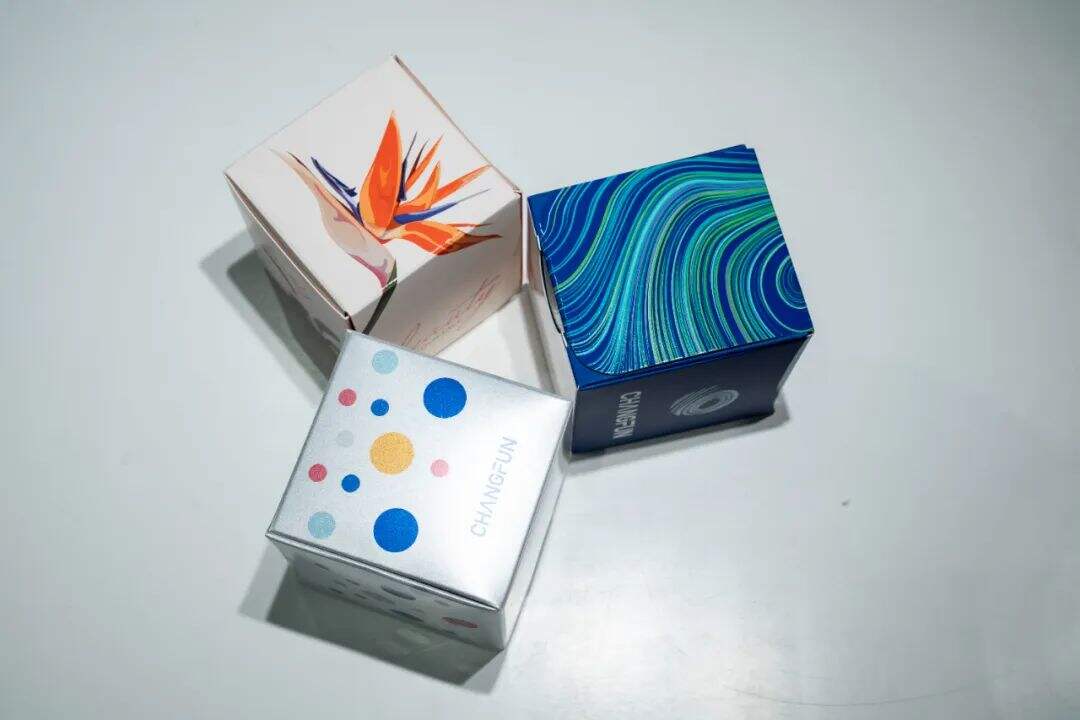
In today's competitive marketplace, product packaging serves as the silent salesperson that can make or break a brand's success. Beyond its fundamental role of protection and containment, effective product packaging design has evolved into a sophisticated marketing tool that communicates brand values and drives purchasing decisions. Whether you're launching a new product line or refreshing an existing brand, understanding the intricacies of product packaging design can significantly impact your market performance.
The modern consumer landscape demands product packaging solutions that balance functionality with aesthetic appeal and sustainability with cost-effectiveness. Professional product packaging design requires a deep understanding of materials science, consumer psychology, and regulatory requirements. This comprehensive approach ensures that your product packaging not only looks impressive but also performs reliably throughout the entire supply chain journey.

Understanding Consumer Psychology in Product Packaging Design
Visual Perception and First Impressions
Consumer research demonstrates that shoppers form initial impressions about products within milliseconds. The color palette and overall composition of product packaging directly influence these critical first moments. Successful product packaging designers leverage principles of visual hierarchy to guide the consumer's eye through key information elements.
Color psychology plays a crucial role in product packaging effectiveness. Different colors evoke distinct emotional responses that vary across demographic segments. Premium brands often utilize specific combinations to convey luxury, while organic products incorporate earth tones to communicate natural ingredients through their product packaging.
Brand Storytelling Through Product Packaging Design Elements
Modern consumers increasingly seek authentic connections with brands. Effective product packaging serves as a storytelling medium that communicates brand heritage and company mission statements. This narrative approach transforms functional product packaging into an emotional touchpoint that builds customer relationships.
Typography selection in product packaging significantly impacts brand perception and message clarity. The integration of texture and tactile elements in product packaging further enhances the sensory experience, creating memorable interactions that encourage repeat purchases and brand advocacy.
Material Selection and Sustainability in Product Packaging
Environmental Impact and Consumer Expectations
Environmental consciousness has become a dominant factor in product packaging decisions across all industry sectors. Contemporary consumers actively seek brands that demonstrate commitment to sustainability through responsible product packaging choices. This shift requires product packaging designers to balance environmental impact with performance requirements and cost constraints.
Biodegradable materials and recycled content have emerged as key strategies for sustainable product packaging solutions. However, sustainability initiatives for product packaging must not compromise product protection or consumer safety. Advanced materials science has developed innovative alternatives for product packaging that meet both environmental and performance criteria.
Cost-Effectiveness and Production Scalability for Product Packaging
Material selection for product packaging directly impacts manufacturing costs, production timelines, and scalability potential. Premium materials for product packaging may enhance brand perception but require careful analysis of target market price sensitivity. Successful product packaging strategies often involve tiered approaches for various product lines or market segments.
Production volume considerations significantly influence material choices for product packaging. High-volume products benefit from standardized product packaging materials, while limited-edition offerings may justify specialized product packaging elements. Understanding the relationship between design complexity and production efficiency enables informed decisions about product packaging that optimize both quality and profitability.
Regulatory Compliance and Safety Standards for Product Packaging
Industry-Specific Product Packaging Requirements
Different industries maintain distinct regulatory frameworks that govern product packaging design, materials, and labeling. Food and beverage product packaging must comply with FDA regulations regarding material safety and nutritional labeling. Pharmaceutical product packaging faces additional constraints related to child-resistant features and tamper-evident seals.
Cosmetic product packaging requires compliance with ingredient disclosure regulations and international shipping restrictions. Electronics product packaging must address electrostatic discharge protection and recycling symbol requirements. Understanding these regulatory landscapes early in the product packaging design process prevents costly redesigns and launch delays.
International Market Considerations for Product Packaging
Global market expansion introduces additional complexity for product packaging through varying regulatory requirements and cultural preferences. Color symbolism and imagery appropriateness in product packaging differ significantly across international markets. Product packaging dimensions must accommodate different shipping containers and retail display systems common in target regions.
Language localization for product packaging extends beyond simple translation to include cultural adaptation of marketing messages. Successful international product packaging often incorporates modular design approaches that enable efficient customization for different markets while maintaining core brand identity elements.
Manufacturing Process Integration for Product Packaging
Production Method Selection for Product Packaging
The choice between different manufacturing processes for product packaging significantly impacts design possibilities and cost structures. Digital printing technologies offer excellent flexibility for short runs of product packaging but may have limitations for large-scale production. Offset printing provides superior color consistency for high-volume product packaging but requires longer setup times.
Structural product packaging manufacturing involves additional considerations including die-cutting precision and folding complexity. Simple geometric shapes for product packaging typically offer cost advantages, while complex structural designs for product packaging may provide differentiation opportunities. Balancing design ambition with manufacturing practicality ensures successful translation of product packaging from concept to market-ready products.
Quality Control and Consistency Standards in Product Packaging
Maintaining consistent quality across large product packaging production runs requires comprehensive quality control systems. Color matching standards and structural integrity testing help ensure that every piece of product packaging meets brand standards. Advanced quality control systems for product packaging utilize automated inspection technologies to identify variations before they reach consumers.
Supply chain coordination for product packaging becomes increasingly critical as complexity increases and global sourcing becomes more common. Establishing clear specifications for product packaging with manufacturing partners helps maintain quality standards while enabling cost optimization through competitive sourcing strategies.
Market Testing and Consumer Validation of Product Packaging
Research Methodologies and Insights for Product Packaging
Comprehensive market testing of product packaging provides valuable insights into consumer preferences before significant production investments occur. Focus group discussions reveal qualitative feedback about emotional responses to product packaging and brand perception changes. Quantitative surveys enable statistical analysis of preference trends for product packaging across demographic segments.
Eye-tracking studies of product packaging provide objective data about visual attention patterns and information processing sequences. These scientific approaches to evaluating product packaging offer deeper understanding of subconscious consumer responses that may not emerge through direct questioning techniques.
Iterative Design Refinement of Product Packaging
Successful product packaging development typically involves multiple design iterations based on consumer feedback and technical constraints. Rapid prototyping technologies enable cost-effective testing of product packaging structural modifications and material alternatives. Digital mockup tools allow efficient evaluation of product packaging design concepts before physical prototype production.
A/B testing methodologies can evaluate specific product packaging design elements such as color schemes or typography choices. This systematic approach to product packaging design optimization helps identify the most effective combinations of visual elements. Data-driven refinement of product packaging ultimately leads to stronger market performance and customer satisfaction outcomes.
Strategic Implementation Framework for Product Packaging Design
Developing a winning product packaging strategy requires a structured approach that aligns with overall business objectives. Begin by defining clear goals for your product packaging, whether increasing shelf visibility, communicating sustainability, or enhancing unboxing experiences. Conduct thorough competitor analysis of product packaging within your category to identify opportunities for differentiation. Integrate product packaging design decisions with your broader marketing mix and brand positioning strategy. Establish key performance indicators for your product packaging to measure success across dimensions including sales lift, brand recall, and consumer satisfaction. Create cross-functional collaboration between marketing, design, operations, and sustainability teams when developing product packaging to ensure all perspectives are considered. Implement a phased rollout strategy for new product packaging to manage risk and gather real-world feedback. Develop comprehensive guidelines for product packaging usage to ensure consistency across all touchpoints and product variations.
The Future Evolution of Product Packaging Design
Emerging technologies are poised to transform product packaging in coming years. Smart product packaging incorporating sensors and connectivity will provide real-time information about product freshness and authenticity. Augmented reality features in product packaging will create immersive brand experiences directly from consumer smartphones. Sustainable innovations will continue to advance, with bio-based materials and reusable product packaging systems becoming more mainstream. Personalization capabilities in product packaging will enable brands to create unique experiences for individual consumers at scale. The integration of product packaging with e-commerce logistics systems will optimize fulfillment efficiency while reducing environmental impact. As consumer expectations evolve, product packaging will increasingly serve as a platform for ongoing brand engagement rather than merely a container for products.
FAQ: Product Packaging Design
What factors determine the optimal product packaging material for a specific product?
The selection of optimal product packaging materials depends on several critical factors including product characteristics, shelf life requirements, and target market preferences. Products requiring moisture protection need specific barrier properties in their product packaging, while fragile items need cushioning materials. Regulatory compliance for product packaging also influences material selection decisions significantly.
How can small businesses compete with large corporations in product packaging design?
Small businesses can leverage their agility to create distinctive product packaging experiences that large corporations cannot easily replicate. Focus on authentic storytelling through product packaging, sustainable practices, and personalized customer connections often resonates strongly. Digital printing technologies for product packaging have also democratized access to high-quality, short-run production, enabling smaller companies to achieve professional product packaging results without massive minimum orders.
What role does product packaging play in e-commerce versus traditional retail environments?
E-commerce product packaging must prioritize protection during shipping and space efficiency, while traditional retail product packaging focuses on shelf appeal and impulse purchase generation. Many successful brands now develop dual product packaging strategies that optimize performance for both channels while maintaining consistent brand identity through their product packaging.
How frequently should companies update their product packaging designs?
Product packaging refresh frequency depends on market dynamics, competitive pressure, and brand evolution strategies rather than predetermined timelines. Successful brands monitor consumer feedback and sales performance data for their product packaging to identify optimal timing for updates. Minor refinements to product packaging may occur annually, while major redesigns typically happen every three to five years unless significant market disruption occurs requiring new product packaging approaches.

 EN
EN
 Request An Estimate
 Projects