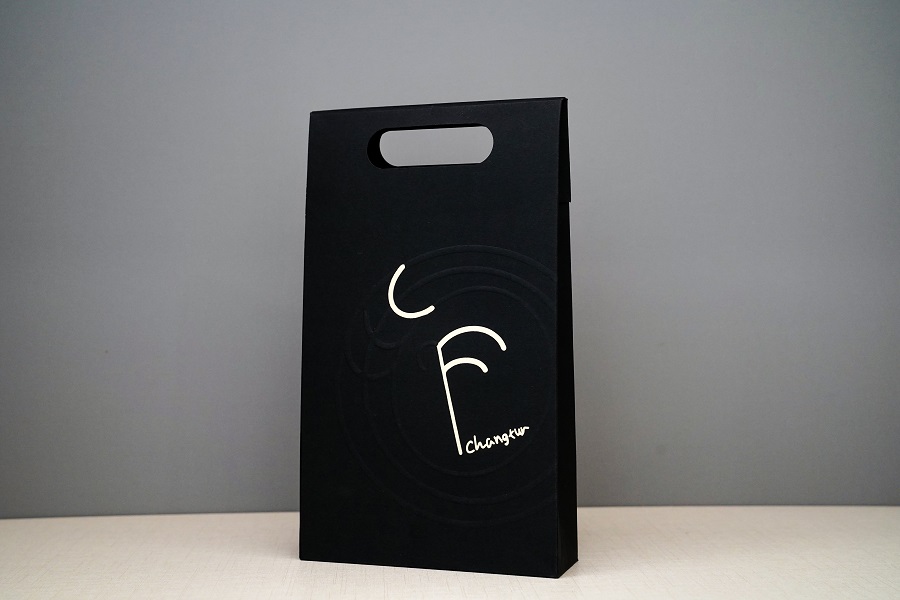
Manufacturing custom paper bags involves navigating a complex landscape of production challenges that directly impact cost, timeline, and final product quality. Organizations seeking to create custom paper bags for retail, gifting, or promotional purposes face multiple obstacles throughout the design, material selection, and manufacturing phases. Understanding these challenges helps businesses anticipate delays, budget constraints, and quality issues before they occur. The production of custom paper bags requires careful coordination between design teams, material suppliers, and manufacturing facilities, each introducing potential friction points.

Custom paper bags production demands precise execution across multiple stages, from initial design specifications through final packaging and delivery. Every phase of creating custom paper bags introduces specific challenges that manufacturers must solve to meet client expectations and regulatory standards. This article explores the primary obstacles encountered in custom paper bags production, examining root causes and practical implications for procurement teams and brand managers.
The foundation of successful custom paper bags production lies in securing appropriate raw materials. Manufacturers producing custom paper bags must source paper grades that balance durability, cost, and environmental compliance. Paper suppliers often face inconsistent inventory levels, forcing custom paper bags manufacturers to work with substitute materials or accept longer lead times. Quality variation between batches can significantly impact the final appearance and structural integrity of custom paper bags, requiring additional quality inspection steps that increase production costs.
Custom paper bags require specific paper weights and compositions depending on intended use. Kraft paper, coated stocks, and recycled blends each present different handling characteristics during production. Sourcing reliable suppliers for the exact custom paper bags specifications demands extensive qualification testing and ongoing relationship management. Supply chain disruptions, shipping delays, and tariff fluctuations directly affect the feasibility and profitability of custom paper bags orders.
Modern custom paper bags production must comply with evolving environmental regulations across different markets. Manufacturers of custom paper bags must track changing requirements for recyclable content, ink formulations, and structural specifications. Many custom paper bags producers struggle to source inks and adhesives that meet both performance standards and environmental certifications. Regulatory changes often require re-engineering of custom paper bags designs or process modifications that delay production timelines and increase costs.
Custom paper bags intended for food contact or premium applications face stricter material restrictions. Certifications for custom paper bags such as FDA compliance, compostability, or carbon-neutral production add layers of complexity to sourcing and testing. Non-compliance can result in rejected batches of custom paper bags, creating significant financial losses and schedule disruptions.
Converting customer design concepts into production-ready specifications for custom paper bags introduces significant technical challenges. Designers often create custom paper bags artwork without considering structural limitations, material properties, or manufacturing feasibility. The transition from digital mockups to physical custom paper bags samples frequently reveals problems with handle placement, fold lines, or print coverage. Multiple design iterations increase timelines and costs for both the customer and the custom paper bags manufacturer.
Custom paper bags with complex graphics, multiple ink colors, or specialty finishes require precise registration and calibration. Die-cutting tolerances for custom paper bags must account for material stretch, humidity variations, and press drift during production. Designers specifying custom paper bags dimensions must balance customer preferences with the constraints of standard equipment and material roll widths. Prototyping custom paper bags to validate design feasibility adds time and expense before mass production begins.
Handles represent a critical structural component of custom paper bags, yet their design and attachment present consistent manufacturing challenges. The placement, reinforcement, and attachment method for handles on custom paper bags must withstand expected load conditions without failure. Paper strength degrades at folding and punching points, creating stress concentrations in custom paper bags that reduce overall durability. Manufacturers of custom paper bags must balance handle strength with cost and aesthetic considerations.
Testing load capacity of custom paper bags samples requires destructive testing that delays production approval. Custom paper bags with twisted kraft paper handles, rope handles, or flat tape handles each present distinct manufacturing challenges. Quality control personnel checking custom paper bags must verify handle attachment strength across the entire production run, adding labor costs. Weak handle attachment creates post-production failures and customer dissatisfaction for custom paper bags orders.
Printing custom paper bags requires specialized equipment setup and careful process control to achieve consistent results. Registration errors during printing of custom paper bags can render entire production batches unusable if branding or design elements misalign. Ink formulation challenges affect both print quality and drying time for custom paper bags, particularly when working with specialty inks for premium finishes. Color matching for custom paper bags across different print runs and equipment requires sophisticated color management systems and frequent calibration.
Moisture absorption by paper substrate affects ink adhesion and drying performance during custom paper bags production. Environmental conditions in the printing facility influence the performance of custom paper bags materials and must be carefully controlled. Ink coverage consistency across custom paper bags surfaces demands experienced operators and robust quality monitoring. Press downtime for custom paper bags production directly impacts factory throughput and customer delivery schedules.
Die-cutting shapes custom paper bags with precision that determines final product fit and functionality. Dull or damaged dies used for custom paper bags production create torn edges, poor fold quality, and structural weakness. Material thickness variations within paper rolls challenge custom paper bags manufacturers to maintain consistent cutting depth and edge quality. Scrap rates from die-cutting custom paper bags typically range from 5 to 15 percent, depending on design complexity and material characteristics.
Assembling custom paper bags—including gluing, folding, and handle attachment—requires synchronized equipment and careful timing. Glue application inconsistency weakens seams in custom paper bags and creates product failures in use. Folding and creasing custom paper bags must achieve precise angles to ensure proper construction and stacking capability. Manual inspection of every custom paper bags unit would make production economically unfeasible, yet insufficient inspection misses defects that reach customers.
The most common rejection reasons for custom paper bags include print registration errors, improper die-cutting depth, glue application failures, and handle attachment defects. Color variation, ink smudging, and material quality issues also lead to rejections of custom paper bags batches. Surface scratches, tears, or delamination discovered during quality inspection can render entire custom paper bags production runs unusable, requiring replacement orders that extend timelines.
Testing of custom paper bags involves destructive load testing, burst strength measurement, and tear resistance evaluation according to industry standards. Manufacturers of custom paper bags conduct periodic testing on samples from production runs to verify material properties and construction integrity. Statistical process control monitors custom paper bags dimensions and weight throughout production. Samples of custom paper bags from each production batch typically undergo rigorous testing before shipment authorization.
Custom paper bags production timelines depend on design complexity, material availability, capacity utilization, and quality approval requirements. Unforeseen issues during custom paper bags prototyping or production setup often extend schedules beyond initial estimates. Lead times for custom paper bags typically range from 3 to 8 weeks, accounting for design approval, material sourcing, and manufacturing cycles. Expedited custom paper bags production requires premium pricing and carries higher quality risk due to compressed timelines.

 EN
EN
 Request An Estimate
 Projects