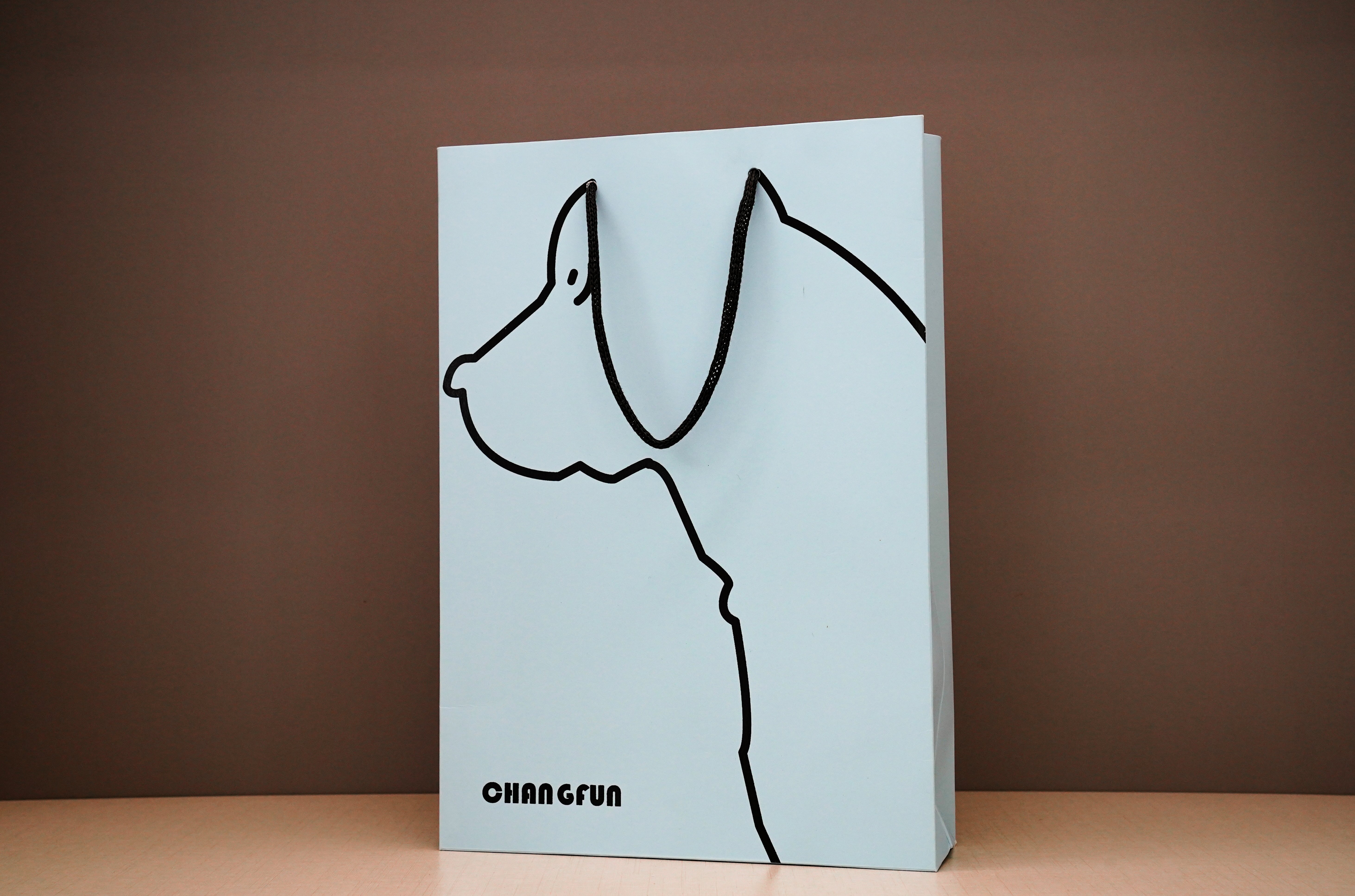
Custom paper bags have become essential for businesses seeking sustainable packaging solutions that balance environmental responsibility with practical performance. The strength and usability of custom paper bags depend significantly on thoughtful design choices that extend beyond simple aesthetics. When retailers, e-commerce brands, and gift businesses invest in custom paper bags, they expect packaging that protects contents, withstands handling stress, and delivers a premium unboxing experience. Understanding which design elements truly improve custom paper bags transforms purchasing decisions from guesswork into strategic investments.
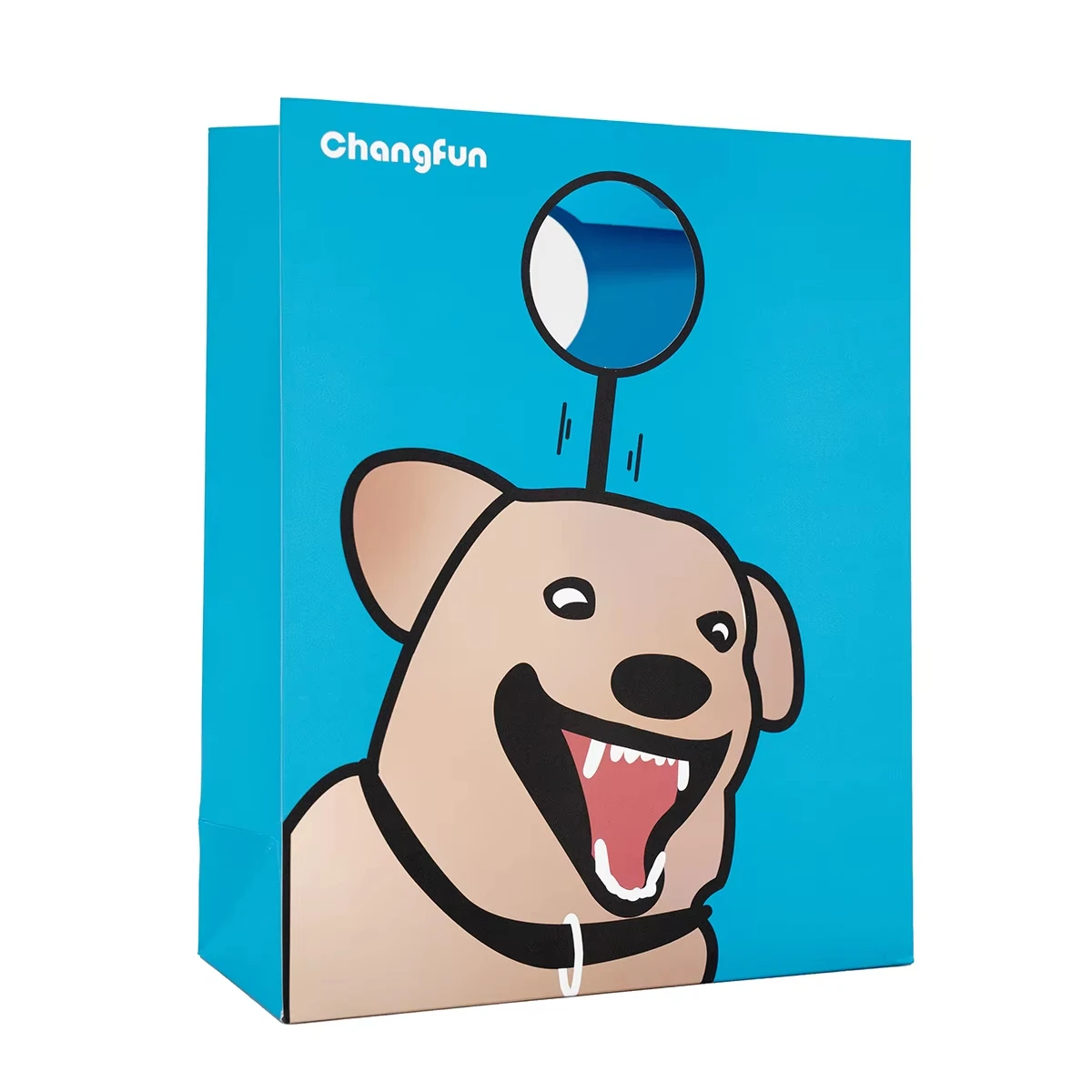
Strengthening custom paper bags requires attention to material composition, structural design, and reinforcement techniques that work together to create durable, functional packaging. The best custom paper bags combine kraft paper quality, intelligent handle design, and strategic reinforcement points that prevent tearing during transport and use. This comprehensive guide explores the specific design elements that separate premium custom paper bags from basic alternatives, enabling you to make informed packaging choices.
The foundation of strong custom paper bags begins with selecting appropriate kraft paper grades and weights. Kraft paper, made from wood pulp processed through the Kraft method, naturally provides superior strength compared to virgin or recycled alternatives. Custom paper bags manufactured from 80gsm to 150gsm kraft paper offer significantly better tear resistance and load-bearing capacity than thinner options. Higher gsm ratings indicate denser fiber structures that resist puncturing and handle friction during shipping and customer handling. When sourcing custom paper bags, the paper grade directly correlates with how well the bag withstands real-world stress.
Custom paper bags incorporating recycled fibers mixed with virgin kraft fibers create a balance between strength, sustainability, and cost efficiency. Pure virgin kraft provides maximum tensile strength, making it ideal for custom paper bags carrying heavier items or facing rough handling. Blended compositions in custom paper bags reduce environmental impact while maintaining adequate burst strength and puncture resistance for most retail applications. Understanding your specific load requirements helps determine whether custom paper bags should prioritize virgin content or accept slightly lower strength for sustainability benefits.
Handles represent the critical stress points in custom paper bags, where material failure most frequently occurs during customer use. Twisted kraft paper handles glued directly to the bag body in custom paper bags create stronger connections than stapled or simply attached alternatives. The best custom paper bags feature reinforced gussets at handle attachment points, where the paper is doubled or tripled to absorb repeated lifting stress. Some premium custom paper bags employ handle attachment methods that distribute force across larger surface areas, preventing the concentrated tearing that destroys cheaper alternatives. Handle diameter also matters for custom paper bags—thicker twisted handles reduce hand strain and improve perceived quality while increasing actual durability.
The bottom corners of custom paper bags experience extreme stress when filled with items, making reinforcement essential for reliable performance. Custom paper bags with rectangular gussets at the base spread weight distribution across a larger footprint, preventing the concentrated pressure that causes bottom failure. Laminated or multi-ply bottom construction transforms custom paper bags from single-failure-point designs into robust packaging that resists bursting when fully loaded. The depth and fold pattern of custom paper bags also affects structural integrity—deeper gussets in custom paper bags allow better weight distribution and prevent bulging that weakens the entire structure. Professional manufacturers of custom paper bags use precise creasing techniques to create predictable fold patterns that reinforce rather than weaken the paper.
The flat side panels of custom paper bags benefit from strategic design choices that improve usability without compromising strength. Custom paper bags with smooth, flat panels resist creasing and folding that accumulates stress points during transport. Some advanced custom paper bags feature subtle inner pleats or structured panels that create internal bracing, making the bag more rigid while maintaining flexibility. The panel width in custom paper bags affects both visual presentation and structural capacity—wider panels distribute lateral stress while narrower designs reduce paper consumption and cost.
Modern custom paper bags frequently incorporate lamination or protective coatings that enhance strength while adding water resistance and durability. Polypropylene lamination applied to custom paper bags creates a moisture barrier that prevents the paper from softening when exposed to humidity or liquid contact. Bioplastic coatings offer eco-friendly alternatives for custom paper bags, maintaining strength improvements while reducing environmental impact compared to traditional plastic films. Custom paper bags with interior or exterior lamination resist oils, moisture, and handling wear significantly better than uncoated options, extending usable lifespan and protecting contents more effectively. The lamination thickness in custom paper bags directly affects puncture resistance—thicker applications in custom paper bags provide dramatic improvements in real-world durability.
Premium custom paper bags sometimes incorporate additional reinforcement strips along stress zones, particularly around handle attachment points and bottom seams. These strips, usually made from reinforced kraft paper, are adhered using industrial adhesives designed to maintain strength through repeated stress cycles. Custom paper bags with stitched reinforcement create mechanical bonds that resist peeling and separation better than adhesive-only methods. Strategic stitching in custom paper bags at high-stress points adds cost but delivers significant durability improvements for applications requiring maximum reliability. When custom paper bags carry heavy items or face rough warehouse handling, stitched reinforcement separates premium solutions from standard alternatives.
The printing process used on custom paper bags affects not only appearance but also structural integrity. Oil-based inks used in custom paper bags can slightly weaken the paper surface, while water-based or soy-based inks in custom paper bags maintain the underlying paper strength. Matte finishes on custom paper bags provide better grip and tactile appeal without the surface slickness that reduces handling security. Gloss coatings applied to custom paper bags add visual impact but create potential slipping issues—balancing aesthetic and functional printing choices ensures custom paper bags deliver both brand presentation and practical usability.
Strategic perforation in custom paper bags improves usability by providing controlled opening mechanisms without compromising overall strength. Custom paper bags with properly positioned tear strips allow customers to open packaging cleanly while maintaining structural integrity until the moment of use. Perforations must be carefully calibrated in custom paper bags—too weak and they fail before intended, too strong and customers struggle with opening. The placement of tear strips in custom paper bags affects both perceived quality and actual usability. Diagonal or offset perforations in custom paper bags distribute stress more evenly than straight lines, reducing accidental tearing adjacent to the intended tear point.
Custom paper bags incorporating transparent window displays must compensate for the strength lost through material removal. Reinforced window frames in custom paper bags use laminated or multiple kraft layers to maintain structural integrity around the cutout. The size and placement of window cutouts in custom paper bags directly affects both visual marketing and bag durability—oversized windows dramatically reduce remaining structural capacity. Professional designers of custom paper bags calculate precisely how much material can be removed for display purposes while preserving adequate strength for actual use.
Thicker twisted handles in custom paper bags significantly improve durability by distributing stress across larger surface areas and resisting tearing during repeated lifting. Custom paper bags with standard-thickness handles often fail at the attachment points, while reinforced handles absorb thousands of additional use cycles. The handle-to-bag attachment quality matters equally—even thick handles in custom paper bags provide minimal benefit if adhesion fails prematurely.
Custom paper bags made from blended recycled and virgin fibers can achieve 85–95% of the strength of pure virgin kraft while dramatically reducing environmental impact. The specific fiber blend used in custom paper bags determines strength characteristics—manufacturers carefully balance recycled content percentages to maintain performance targets. For most retail applications, premium custom paper bags with 50–70% recycled content deliver adequate strength while supporting sustainability goals.
Water-based and soy-based inks preserve paper strength better than oil-based alternatives when applied to custom paper bags. The curing method also affects custom paper bags—UV or heat-set processes may slightly alter paper flexibility without reducing actual tensile strength. Digital printing on custom paper bags eliminates solvent exposure, making it ideal when strength preservation is paramount, though traditional offset printing remains standard for high-volume custom paper bags orders.

 EN
EN
 Request An Estimate
 Projects