
The paper box is one of the most widely used packaging solutions across industries ranging from cosmetics to food, electronics, and retail. Despite its apparent simplicity, producing and handling a paper box at commercial scale introduces a wide range of technical, operational, and logistical challenges. Understanding these challenges is essential for manufacturers, brand owners, and supply chain managers who depend on paper box packaging to protect products and deliver a strong unboxing experience.
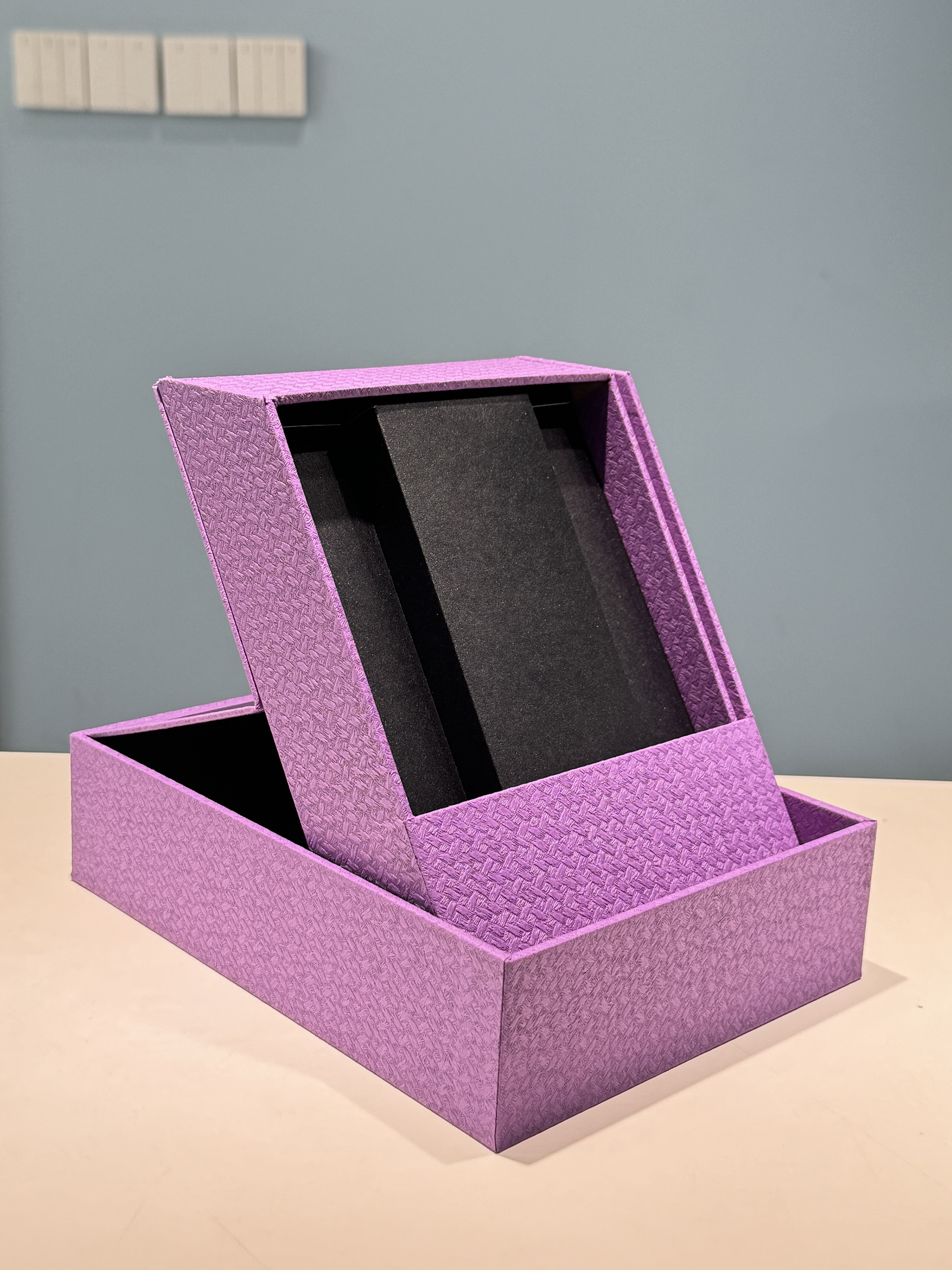
Every paper box goes through multiple production stages before it reaches the end user, and each stage introduces potential failure points. From raw material selection to die-cutting, printing, folding, gluing, and final shipment, the paper box manufacturing process demands precision and consistency. When any step falls short, the result can be structural weakness, visual defects, or damaged goods — all of which carry real business costs. This article examines the most significant challenges that arise during paper box production and handling, and what organizations can do to manage them effectively.
One of the foundational challenges in paper box production is sourcing and maintaining consistent raw materials. The weight, moisture content, and fiber composition of paperboard directly affect how a paper box performs under pressure, humidity, and handling stress. Inconsistent board quality between batches can cause a paper box to deform, tear, or fail to hold its shape during assembly. Manufacturers must work closely with material suppliers to establish strict quality standards and conduct incoming material inspections to catch variations before they affect the production line.
For a paper box intended for cosmetics or premium retail, surface consistency is equally critical. Variations in coating smoothness, brightness, or absorbency can result in uneven ink adhesion during printing, leading to color mismatches across a production run. A paper box with inconsistent print quality creates brand perception problems that are difficult and costly to correct after the fact. Establishing baseline material specifications and testing protocols is a non-negotiable step in reliable paper box production.
Accurate die-cutting is critical to every paper box because the cut lines determine how cleanly the box folds and how well it holds its final form. When die-cutting tools wear down or are misaligned, the paper box blank may have jagged edges, incomplete score lines, or misregistered flap positions. These defects make it harder to fold the paper box correctly on high-speed automated assembly lines and increase the rate of rejects. Regular tool maintenance and dimensional verification checks are necessary to sustain die-cutting accuracy at scale.
Score line depth is another common challenge. If the score is too shallow, the paper box resists folding and can crack along the crease. If it is too deep, the board weakens and the paper box loses structural integrity at the fold points. Finding and maintaining the right calibration for each paper box design and board grade requires ongoing testing, especially when switching between different product lines or material batches.
Printing a paper box to exact brand color standards is technically demanding. Offset and digital printing both require careful management of ink viscosity, drying time, and press settings to achieve consistent results across large runs. A paper box produced in the morning may show slightly different color density than one produced in the afternoon if press conditions are not tightly monitored. These variations become especially visible when multiple paper box batches are displayed together on retail shelves.
Ink adhesion failures are a related concern, particularly when the paper box surface has a UV coating, lamination, or other finishing treatment. If the ink does not bond properly to the substrate, the paper box surface may show peeling, scratching, or scuffing during handling. This is a common issue when finishing processes are applied out of sequence or when the paper box blank is handled before the coating has fully cured. Proper curing time management and surface treatment sequencing are essential to avoiding these defects.
Lamination is a popular finishing process that gives a paper box a premium look and added durability. However, improper lamination creates bubbles, delamination, or edge lifting that ruins the paper box appearance. Temperature and pressure inconsistencies during the lamination process are the most common culprits. A paper box with delaminated film looks damaged even before a product is placed inside it, creating immediate quality complaints from buyers. Lamination quality checks must be performed on samples taken throughout the production run, not just at the beginning.
A paper box is inherently vulnerable to moisture. Humid storage conditions cause the paperboard to absorb moisture, which softens the structure, warps the panels, and weakens the glue joints. A paper box that has absorbed moisture may collapse under the weight of stacked inventory or arrive at the buyer deformed and unusable. Warehouses storing paper box inventory must maintain controlled humidity levels and ensure that paper box pallets are kept off the floor and away from walls where condensation can accumulate.
During transit, a paper box faces compression from stacking, vibration from vehicle movement, and sudden impact from rough handling. These forces can crush a paper box, crack printed surfaces, or cause pre-glued joints to separate. Proper secondary packaging, including corrugated outer cartons and adequate void fill, significantly reduces in-transit paper box damage. Specifying drop-test and compression-test requirements in procurement contracts helps ensure that the paper box design can withstand real-world logistics conditions.
In high-volume packaging environments, paper box assembly is often automated. Automated folder-gluer machines require precise blank dimensions and consistent board stiffness to run without jamming. A paper box blank that is slightly oversized, undersized, or warped from humidity will cause machine stoppages, reducing throughput and increasing labor costs for manual intervention. Gluing failures are equally disruptive — if the adhesive does not bond properly, the paper box arrives at the filling line unsealed or falls apart during product loading. Hot melt adhesive temperature, nozzle condition, and open time must all be calibrated specifically for the paper box substrate being used.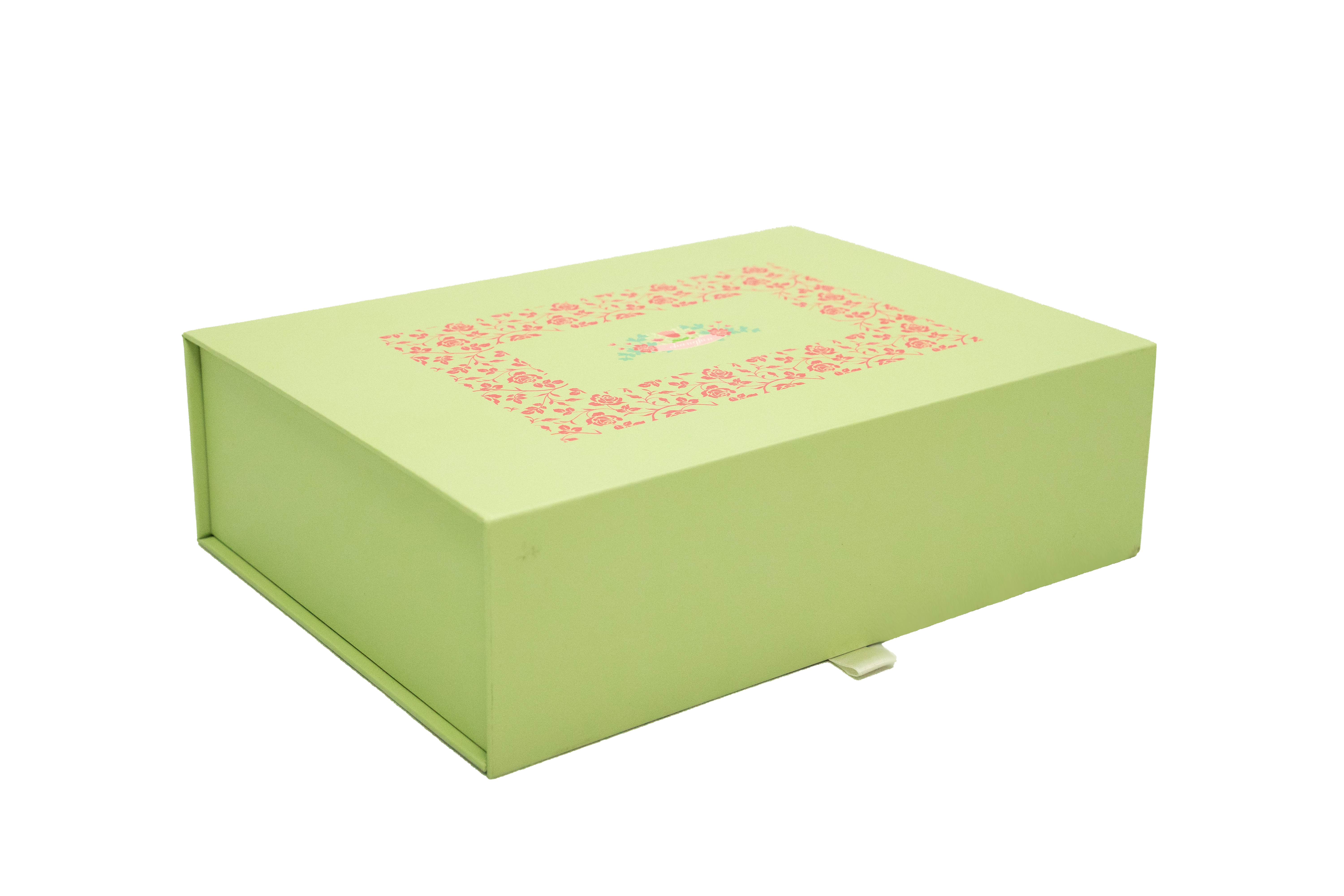
A paper box loses its shape primarily due to moisture absorption, excessive stacking weight, or weak score lines from poor die-cutting. Using the correct board grade for the intended load and storing paper box inventory in humidity-controlled environments reduces shape loss significantly.
Preventing printing defects on a paper box requires consistent material standards, regular press calibration, and in-process color checks. Ensuring the paper box substrate has a uniform coating and that finishing processes are applied in the correct sequence also helps maintain print quality across long production runs.
Common tests for paper box strength include edge crush testing, burst strength testing, and drop testing. These methods evaluate how well a paper box withstands stacking compression, internal pressure, and impact forces encountered during shipping and handling. Regular testing throughout production ensures each paper box meets the required performance specifications.

 EN
EN
 Request An Estimate
 Projects