
When products move through the supply chain, physical damage is one of the most costly risks a business can face. A well-engineered paper box is far more than a container — it is a precision-designed protective system. Every fold, flap, and layer in a paper box contributes directly to how well a product survives the rigors of transit, handling, and stacking. Understanding how paper box structure works helps businesses make smarter packaging decisions and reduce product loss.
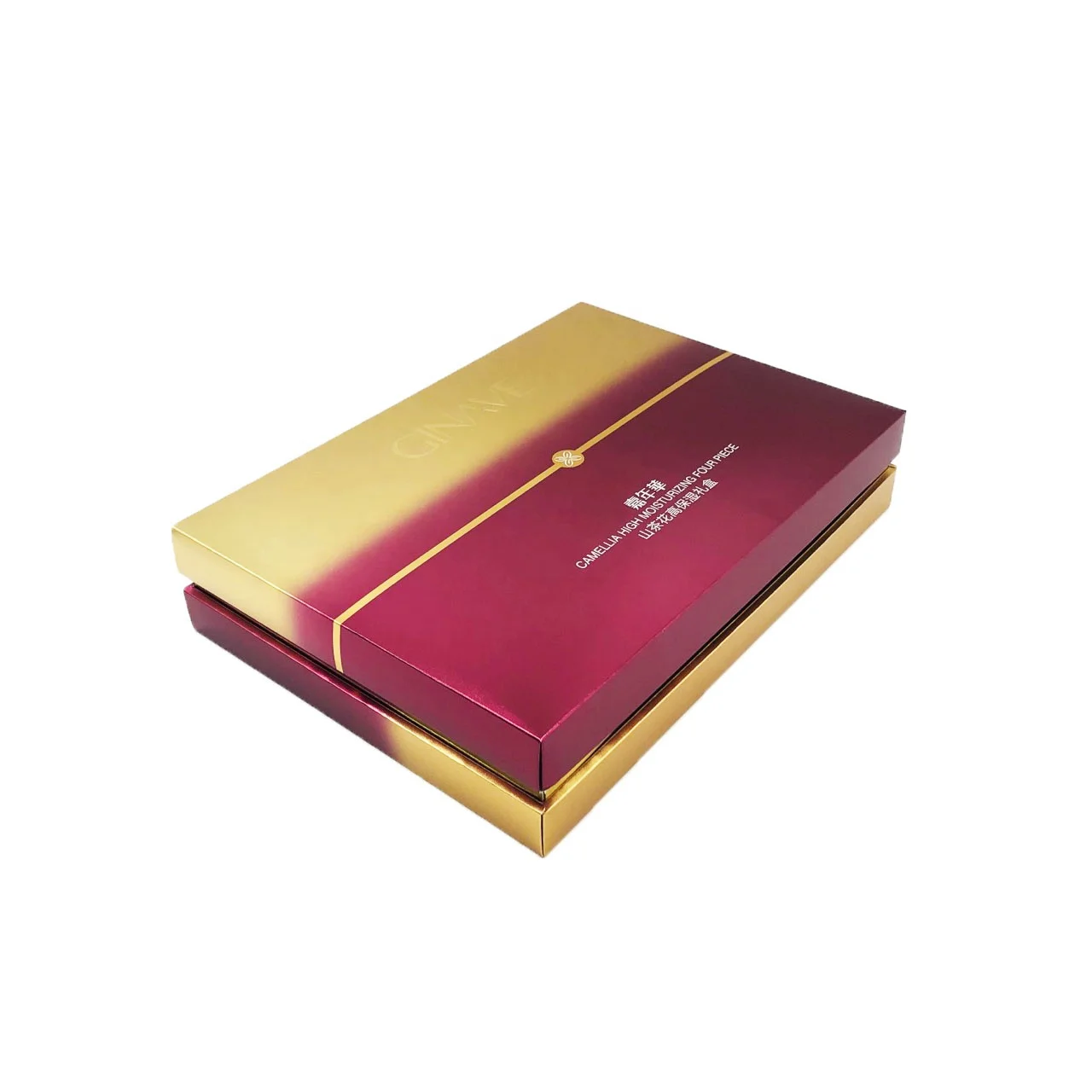
The paper box has evolved significantly as a packaging solution across industries ranging from cosmetics to electronics. Modern paper box engineering combines structural geometry, material science, and manufacturing precision to deliver reliable protection at scale. Whether a paper box is used for a single retail unit or bulk shipment, its structural design directly determines how much impact, compression, and vibration the contents can withstand during transport. This article examines how the paper box achieves this through its core structural principles.
The first line of defense in any paper box is the material itself. A paper box manufactured from high-grade cardboard or corrugated board is engineered to absorb and distribute mechanical stress across its surface area. Thicker board grades increase the stiffness of the paper box walls, which means external pressure from stacking or compression is less likely to deform the structure and damage the contents inside. When a paper box is designed for heavy or fragile products, specifying a higher board weight is a standard industry practice that directly improves transport reliability.
Board selection for a paper box also considers flute type in corrugated applications. The flute channels within a corrugated paper box act as internal columns that resist vertical crushing forces. This is particularly important when paper box units are palletized and stacked during warehousing or long-distance freight. Even a standard paper box using a well-chosen flute configuration can support load-bearing requirements far beyond what a flat sheet of the same material could manage.
The shape and dimensional ratio of a paper box have a measurable impact on structural integrity. A paper box with proportional length, width, and height dimensions is more resistant to racking — the lateral distortion that occurs when stacked loads shift during transport. Engineers designing a paper box for transit applications will often calibrate the internal dimensions to minimize product movement, since even slight shifting of contents can cause internal damage during vibration-heavy journeys like sea freight or road transport.
One of the most effective structural features of a paper box is its layered wall construction. A multi-ply paper box creates air gaps and material interfaces between layers, and these transitions absorb kinetic energy rather than transmitting it directly to the product. This is the same physical principle behind foam padding, but achieved through the paper box material stack itself. The result is a paper box that can dampen the sudden shocks and drops that commonly occur during loading, unloading, and courier handling.
Hard cardboard paper box designs — such as those used for cosmetics, electronics, and premium consumer goods — often use double-walled or laminated constructions. This paper box format provides exceptional rigidity while maintaining a relatively low overall weight, which is critical for balancing protection with shipping cost efficiency. A rigid paper box structure prevents the outer walls from flexing inward upon impact, keeping the internal space intact and the product secure.
The closure mechanism of a paper box plays a direct role in transport protection. A paper box with interlocking flap closures, auto-bottom constructions, or tuck-end designs adds additional structural reinforcement at the weakest points — the top and base panels. When a paper box base is manufactured with a lock-bottom feature, the four base panels interlock under load, distributing downward weight evenly rather than concentrating stress at the center fold. This paper box engineering detail significantly reduces the risk of base failure during heavy-load transit scenarios.
Self-locking features within a paper box also reduce the need for adhesive tape, which can degrade over time or in high-humidity environments. A paper box that holds its shape through mechanical interlocking alone is a more reliable long-term protective system for products traveling through varying climatic conditions, such as temperature-controlled cold chain logistics or tropical shipping routes.
Beyond the physical structure, a paper box can be treated with coatings that improve its performance in demanding transit environments. Moisture-resistant coatings prevent a paper box from absorbing ambient humidity, which would otherwise weaken the fiber bonds and reduce structural strength over time. A coated paper box maintains its rigidity throughout the shipping cycle rather than softening at critical stress points. For products like cosmetics or pharmaceuticals, this paper box feature is not optional — it is essential for compliance and product integrity.
Decorative finishes such as silver foil stamping, holographic lamination, and metallic luster coatings found on premium paper box designs also add a thin but meaningful layer of physical protection. These surface treatments reinforce the outer face of the paper box, adding abrasion resistance and reducing the likelihood of surface damage that would compromise product presentation upon arrival.
A paper box can be further optimized with internal fitments such as inserts, dividers, trays, and foam pads. These elements work together with the outer paper box structure to immobilize the product entirely, eliminating movement that causes scuffing, breakage, or collision damage. A paper box insert made from the same board material as the outer paper box can be die-cut to match the exact product profile, creating a custom-fit environment that distributes impact forces across the widest possible surface area.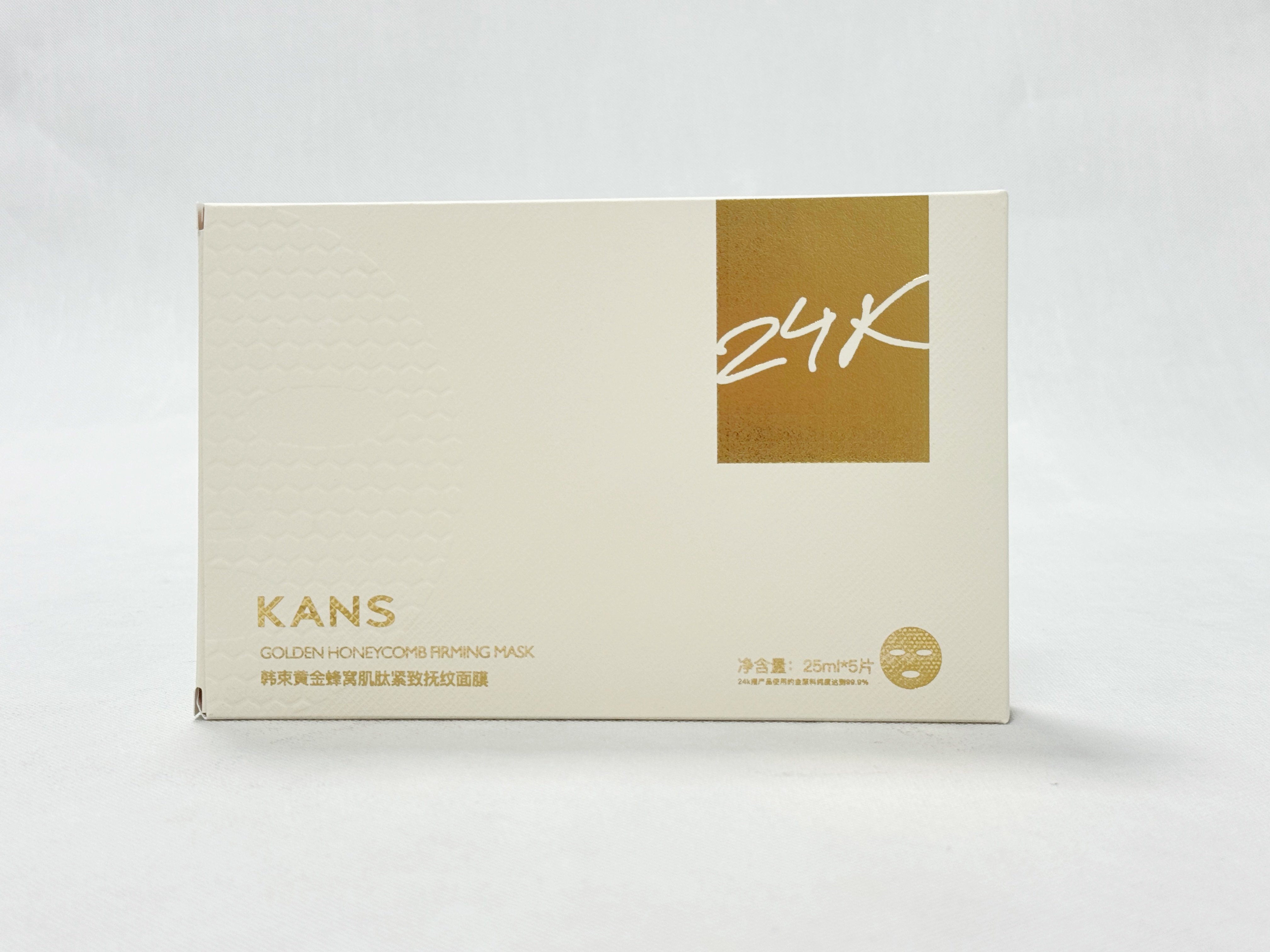
A paper box designed for transport typically incorporates engineered wall thickness, interlocking closures, and optional internal fitments. These features work together to absorb impact, prevent compression damage, and immobilize the product during handling — advantages that a basic single-ply cardboard box does not reliably provide.
The fluted or multi-ply walls of a paper box form internal column structures that resist vertical compression. When paper box units are stacked on pallets, these structural columns bear the load and prevent the box from collapsing inward. Proper dimensional design also ensures that stacked paper box units align edge-to-edge, maximizing load transfer through the strongest parts of the structure.
A standard paper box can lose structural strength if exposed to sustained moisture. However, a paper box with moisture-resistant coatings, wax treatments, or laminated surfaces maintains fiber integrity in humid environments. For products shipping through tropical climates or refrigerated conditions, specifying a coated paper box construction is strongly recommended to preserve transport protection throughout the delivery cycle.

 EN
EN
 Request An Estimate
 Projects