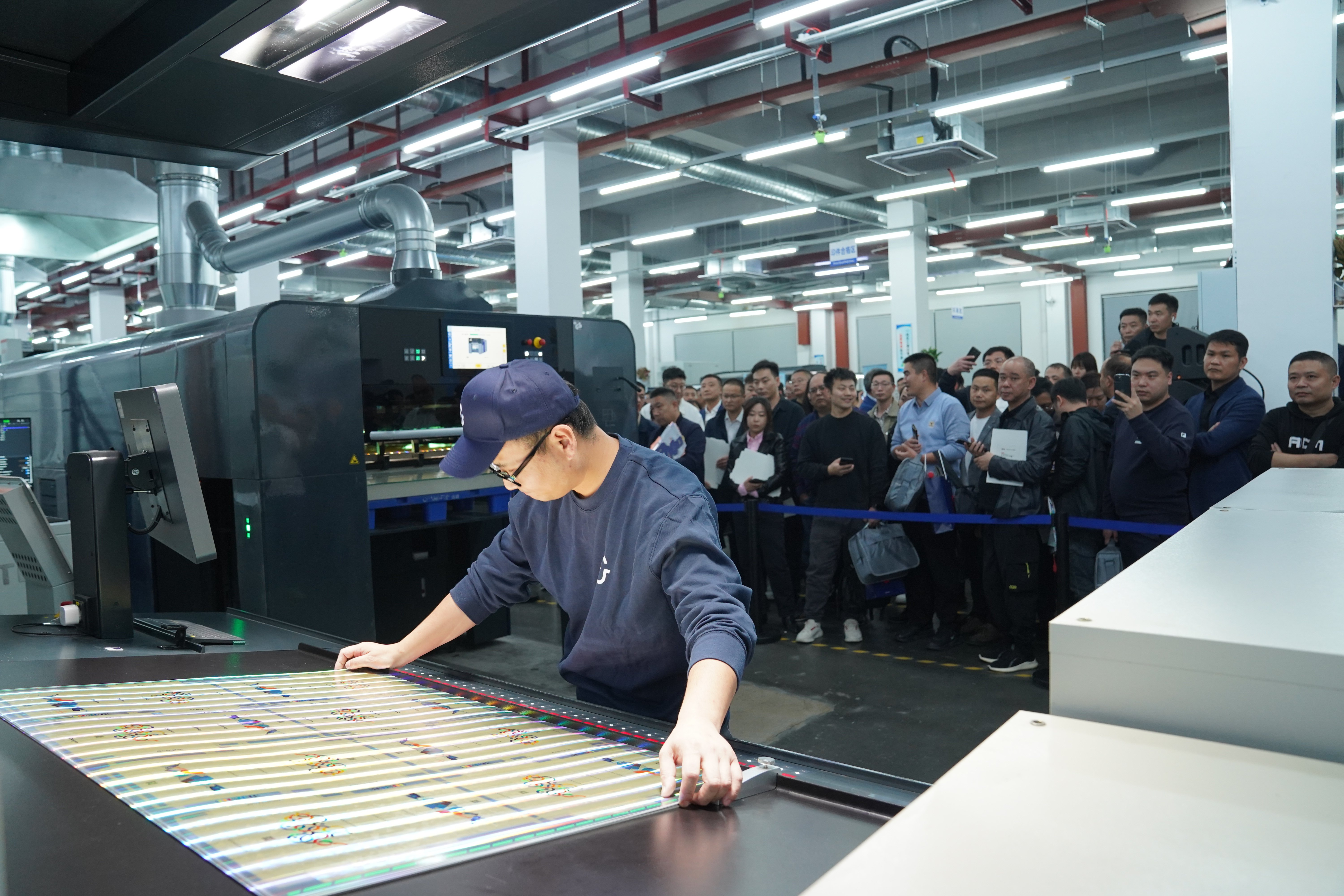
Running a successful printing company requires more than just producing quality output. It demands a disciplined approach to measuring what matters. Without clearly defined performance indicators, a printing company cannot identify bottlenecks, control costs, or deliver consistent customer satisfaction. Whether you operate a commercial press, a packaging printer, or a digital print shop, understanding which metrics to track is the foundation of sustainable growth.

Performance evaluation in a printing company covers several operational layers, from prepress accuracy to delivery timelines and customer retention. Each layer presents measurable signals that reveal the health of the business. By selecting and monitoring the right indicators, a printing company can make data-driven decisions that improve efficiency, reduce waste, and strengthen its competitive position. This article outlines the most critical performance indicators and explains what each one reveals about the business.
Print quality is the most visible output of any printing company. A defect rate metric measures the percentage of jobs that fail to meet quality standards and require reprinting or rework. For a printing company, a high defect rate signals problems in press calibration, ink management, substrate selection, or operator skill. Tracking defect rate per job type, per machine, and per shift allows managers to isolate root causes quickly. A well-managed printing company typically targets a defect rate below two percent for standard commercial work.
Color consistency is another critical quality indicator for a printing company. Clients expect every print run to match approved proofs precisely. Measuring color deviation using spectrophotometers and comparing against approved density values gives a printing company objective data on press performance. Consistent color management builds client trust and reduces costly reprints.
Machine utilization measures how effectively a printing company uses its press capacity during scheduled production hours. A low utilization rate indicates idle time caused by poor scheduling, frequent job changeovers, or mechanical downtime. A printing company that monitors utilization by machine type can balance workloads more effectively and identify equipment that is underperforming or oversized for current demand. Target utilization rates typically range between seventy and eighty-five percent for a healthy printing company.
Turnaround time is one of the most client-sensitive indicators a printing company tracks. It measures the total time from job intake to delivery. For a printing company handling tight deadlines, delays in prepress, plate making, or finishing directly affect client satisfaction and repeat business. Measuring turnaround time by job category helps a printing company benchmark performance, identify process bottlenecks, and set realistic delivery commitments. Shorter, reliable turnaround times are a competitive advantage in the market.
Internal scheduling efficiency also shapes turnaround outcomes. A printing company that uses production scheduling software to sequence jobs by press compatibility and substrate type will reduce idle transitions between runs. Tracking average setup time per job is a complementary metric that reveals how efficiently a printing company moves between different print specifications.
Cost per printed unit is a fundamental financial indicator for any printing company. This metric combines material costs, labor hours, machine depreciation, and overhead to calculate the true cost of producing a single unit or finished piece. When a printing company tracks this figure by product category and client segment, it can identify where margins are being eroded. Rising ink or substrate costs that are not reflected in pricing will compress profitability unless the printing company monitors this metric closely and adjusts quotes accordingly.
Waste percentage is directly linked to cost control. Every sheet of substrate that is misprinted or damaged adds to the cost per unit. A printing company that tracks waste by press, by paper type, and by operator gains granular insight into where materials are being lost. Reducing waste is one of the fastest ways a printing company can improve its bottom line without raising prices.
On-time delivery rate measures the percentage of jobs completed and delivered within the agreed deadline. For a printing company, this indicator directly influences client retention and brand reputation. A printing company with a strong on-time delivery rate demonstrates operational reliability, which is a key differentiator in markets where multiple suppliers compete for the same clients. Tracking reasons for late deliveries, whether caused by prepress delays, machine breakdowns, or logistics failures, allows a printing company to address systemic issues.
Customer retention rate tracks the proportion of clients who return for repeat business within a defined period. For a printing company, repeat orders are a sign that quality, pricing, and service standards are meeting expectations. A declining retention rate in a printing company often signals quality issues, communication gaps, or pricing pressure from competitors. Monitoring this metric alongside client satisfaction surveys gives a printing company a complete picture of its service performance.
Repeat order rate also reveals the value of long-term client relationships. A printing company that cultivates stable accounts with predictable volumes can plan capacity more efficiently and reduce the cost of acquiring new clients. This metric, combined with average order value, helps a printing company evaluate which client segments deliver the most sustainable revenue.
A printing company should review operational metrics such as defect rate, machine utilization, and turnaround time on a weekly basis. Financial indicators like cost per unit and revenue per job are best reviewed monthly. Customer-focused metrics such as retention rate and on-time delivery should be assessed at least quarterly to detect trends before they affect business outcomes.
There is no single universal answer, as priorities vary by business model. However, most experts agree that on-time delivery rate and defect rate are the two most critical indicators for a printing company because they directly affect client satisfaction, repeat business, and brand reputation. A printing company that excels in both areas builds a strong foundation for long-term growth.
Absolutely. Even a small printing company with limited staff can benefit significantly from tracking basic metrics like turnaround time, waste percentage, and customer retention. Simple tracking tools such as spreadsheets or entry-level print management software are sufficient to start. A small printing company that uses data consistently will make better decisions than one operating purely on intuition, regardless of its size.

 EN
EN
 Request An Estimate
 Projects