
Across manufacturing, retail, food, cosmetics, and beyond, printing solutions serve as a critical bridge between brand identity and the end consumer. The performance of printing solutions is never determined by a single element. Instead, it reflects a combination of material compatibility, color accuracy, substrate quality, and the demands specific to each industry. Understanding these influencing factors helps businesses make smarter procurement decisions and achieve consistent, high-quality output across every order.
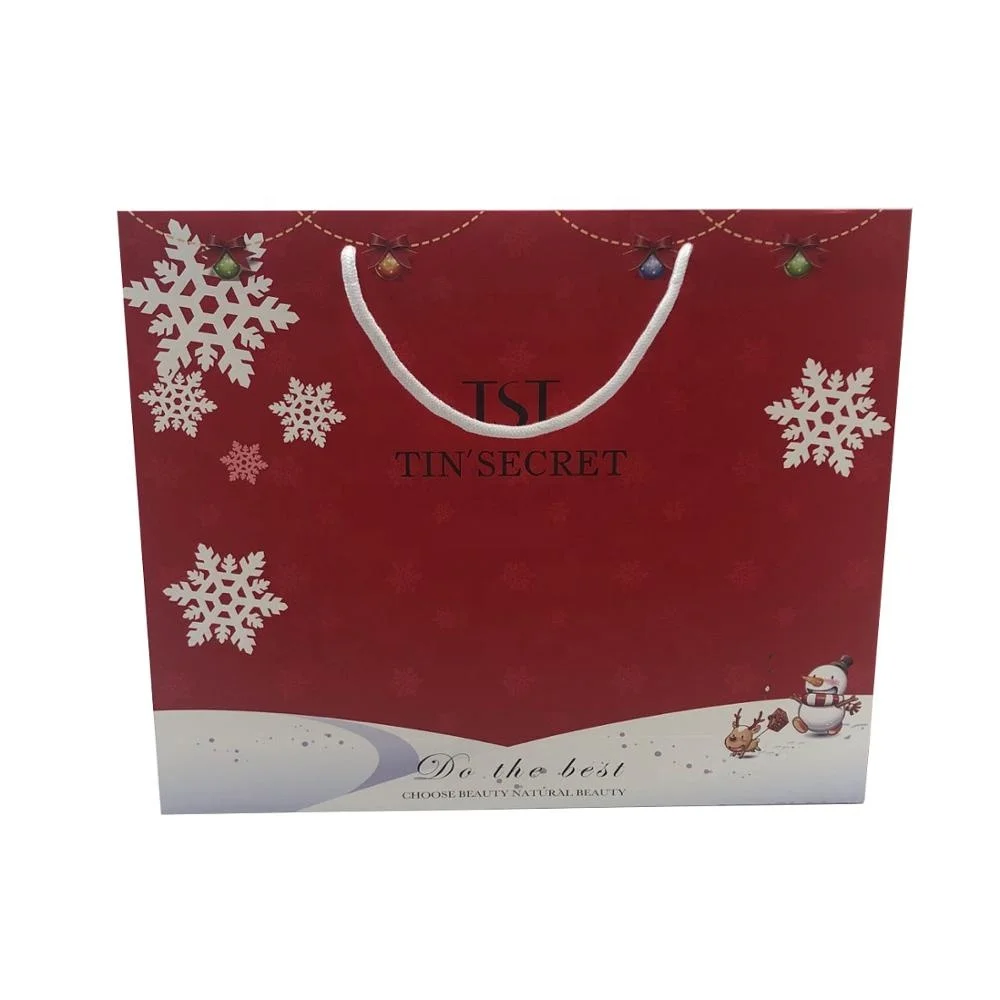
When businesses evaluate printing solutions, they often focus on the visible result — sharp graphics, vibrant colors, and clean finishes. However, the true performance of printing solutions depends on much deeper variables. From the type of ink and printing technology to the nature of the substrate and end-use environment, every factor contributes to the overall outcome. This article explores the most important variables that determine how well printing solutions perform across different industrial and commercial contexts.
The substrate — the physical surface being printed on — is one of the most decisive factors in how printing solutions perform. Paper-based materials, plastics, films, fabrics, and cardboard all respond differently to inks and coatings. For example, printing solutions applied to art paper produce highly saturated, crisp results because the smooth surface allows ink to sit uniformly. On the other hand, recycled or uncoated materials may absorb ink unevenly, requiring adjusted printing solutions parameters to maintain color fidelity.
In packaging industries such as food, tea, jewelry, and clothing, printing solutions must account for the unique surface characteristics of each material. Recyclable art paper bags used for food or cosmetics packaging demand printing solutions that preserve color vibrancy while remaining safe and durable. When printing solutions are mismatched with the substrate, the result is often blurred graphics, color bleed, or adhesion failure — all of which diminish the packaging's commercial value.
Surface coatings such as matte lamination, gloss lamination, or UV varnish directly influence how printing solutions interact with a material. Coated surfaces restrict ink absorption, which allows printing solutions to achieve sharper detail and more vivid hues. Uncoated surfaces, by contrast, allow ink to penetrate more deeply, which can soften edges and reduce contrast. Selecting the right combination of coating and printing solutions technology is therefore essential for industries where brand visibility is a top priority, including cosmetics, promotions, and luxury retail.
Color accuracy is a defining performance metric for printing solutions across nearly every industry. The CMYK color model — cyan, magenta, yellow, and key black — is the industry standard for full-color printing solutions in commercial and industrial applications. When printing solutions are calibrated correctly within a CMYK workflow, the output closely mirrors approved brand colors, product visuals, and promotional artwork. Any deviation in color separation or ink density within the printing solutions process can result in noticeable inconsistencies across batches.
For industries like cosmetics, jewelry, and shoes, where packaging serves as a direct brand touchpoint, the precision of CMYK-based printing solutions is non-negotiable. Slight color shifts in printing solutions output can undermine brand trust, especially when multiple product lines must maintain a unified visual identity. Investing in well-managed printing solutions that include consistent color profiling ensures that every unit produced matches the intended design standard.
Different printing technologies — including offset, digital, flexographic, and screen printing — each represent a distinct category of printing solutions with unique strengths. Offset printing solutions are preferred for high-volume runs where consistency and cost efficiency matter most. Digital printing solutions allow for shorter runs, variable data, and faster turnaround, making them ideal for promotional and customized packaging. The resolution capability of each type of printing solutions determines the level of detail achievable, which is especially relevant for intricate logo work, fine text, or gradient-heavy designs.
Each industry imposes its own performance requirements on printing solutions. In food packaging, printing solutions must comply with safety standards that restrict the use of certain inks or coatings that may contact consumable products. In the clothing and fashion sector, printing solutions must withstand handling, light exposure, and occasional moisture without fading or peeling. For tea and herbal product packaging, printing solutions must balance aesthetic appeal with material integrity, since packaging often serves a functional as well as a decorative role.
Cosmetics and personal care brands rely on printing solutions to project luxury, precision, and trust. Fine-line printing solutions with metallic finishes or embossed details are common in this space, as they elevate perceived product value. Similarly, jewelry and shoe brands use printing solutions to reinforce premium positioning, where even minor print defects can affect customer perception. Understanding the exact end-use context helps brands select printing solutions that align with both the functional demands and the aesthetic expectations of their target market.
The operational environment also significantly affects how printing solutions perform over time. Printing solutions used for outdoor signage or shipping packaging must resist moisture, UV degradation, and mechanical stress. For eco-conscious brands using recyclable art paper, printing solutions must also be compatible with sustainable inks and processes that do not compromise recyclability. As sustainability becomes a stronger purchasing criterion across industries, printing solutions providers are increasingly expected to offer environmentally responsible options without sacrificing print quality.
Choosing printing solutions that consider lifecycle factors — including ink composition, substrate recyclability, and energy use during production — positions a brand as both quality-conscious and responsible. This alignment between performance and sustainability is increasingly central to procurement strategies for printing solutions in retail, food, and consumer goods markets.
Each industry has unique material requirements, safety standards, and brand presentation expectations. Printing solutions must be tailored to meet these specific demands, whether for food-safe inks, luxury finishes, or high-durability outputs. A one-size-fits-all approach to printing solutions rarely delivers optimal results across diverse industry applications.
CMYK is the foundational color model used in commercial printing solutions. When properly calibrated, it enables accurate color reproduction across large print runs. Inconsistencies in CMYK settings within printing solutions workflows lead to color drift, which can damage brand consistency and require costly reprints.
Businesses should evaluate whether their printing solutions use eco-compatible inks, recyclable substrates, and energy-efficient processes. Printing solutions that support recyclability — such as those applied to art paper bags — help reduce environmental impact while still meeting high visual quality standards expected in modern packaging and branding contexts.

 EN
EN
 Request An Estimate
 Projects