
When developing custom packaging for your products, the decisions you make early in the process have a lasting impact on brand perception, supply chain efficiency, and customer satisfaction. Custom packaging is not simply about choosing a box shape or a color scheme — it involves a structured evaluation of materials, design intent, production feasibility, and end-user experience. Businesses that treat custom packaging as a strategic investment consistently outperform those that treat it as an afterthought.
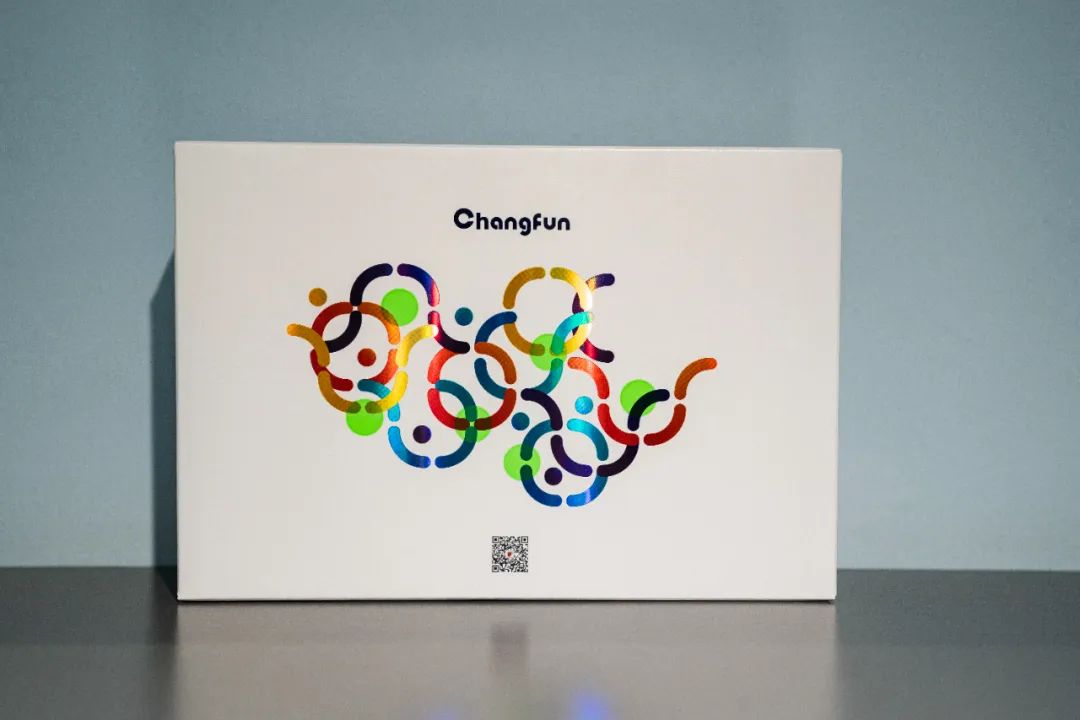
The evaluation process for custom packaging must be thorough and methodical. Whether you are launching a new product line or rethinking your existing packaging strategy, understanding what to assess — and in what order — helps you avoid costly revisions, production delays, and missed market expectations. This article walks through the core evaluation areas that every brand and procurement team should address before committing to a custom packaging solution.
The first and most foundational evaluation in any custom packaging project is material selection. The right material must align with the physical properties of the product being packaged, including its weight, fragility, moisture sensitivity, and shelf-life requirements. For example, custom packaging used for food products must meet food-safety standards, while custom packaging for cosmetics or jewelry must prioritize aesthetic quality alongside protection. Choosing the wrong substrate can lead to product damage, compliance failures, or a poor unboxing experience that undermines brand trust.
When evaluating materials for custom packaging, consider factors such as tear resistance, compression strength, barrier properties, and surface printability. Art paper, kraft paper, corrugated board, and rigid cardboard each have distinct performance profiles. Your custom packaging material should be chosen based on the full lifecycle of the package, from production and transit to the moment the end customer opens it. A thorough material assessment ensures your custom packaging performs reliably under real-world conditions.
Beyond raw material choice, the structural design of custom packaging plays a critical role in how well it protects contents and maintains its shape throughout the supply chain. Structural evaluation should include drop testing, stacking load assessments, and seal integrity reviews. Custom packaging that looks elegant on a product sheet but collapses during shipping creates unnecessary returns and damages your reputation. Evaluate whether the custom packaging structure accommodates your fulfillment process, including automated packing lines if applicable.
Custom packaging serves as a direct physical expression of your brand. Every design element — from typography and color palette to finish and logo placement — must be evaluated against your brand standards and target audience expectations. Custom packaging that feels premium, coherent, and intentional builds customer confidence and encourages repeat purchases. Before approving any design, assess whether the custom packaging conveys the intended brand message across all customer touchpoints, including e-commerce photographs, retail shelves, and in-hand experience.
Print quality is a particularly important dimension of custom packaging evaluation. CMYK printing, spot colors, embossing, foil stamping, and UV coating all deliver different visual effects at different cost points. When reviewing proofs for custom packaging, evaluate color accuracy, registration precision, and surface finish consistency. A small variance in print output can significantly affect whether the final custom packaging aligns with your brand expectations or falls short of them.
If your brand uses custom packaging across multiple product categories — such as food, clothing, cosmetics, or tea — evaluate whether your design system can scale consistently. Custom packaging for a single SKU is relatively straightforward, but maintaining visual cohesion across dozens of variants requires a disciplined design evaluation framework. Assess how custom packaging components like size, print finish, and structural form will be standardized or differentiated across your product range without inflating production costs or creating confusion for customers.
Sustainability has become a critical evaluation criterion in custom packaging development. Buyers, retailers, and end consumers increasingly expect custom packaging to reflect responsible sourcing and environmental accountability. Evaluate whether the custom packaging materials are recyclable, biodegradable, or made from post-consumer recycled content. Recyclable art paper bags, for instance, offer a strong balance between visual quality and environmental performance. When assessing custom packaging sustainability, also consider the carbon footprint of production, ink composition, and whether the packaging can be easily separated for recycling by the end user.
Sustainability evaluation for custom packaging is not just about compliance — it is also a brand differentiation opportunity. Custom packaging that communicates genuine environmental commitment can improve customer loyalty and support premium positioning. Evaluate certification options such as FSC-certified paper or soy-based inks as part of your custom packaging sourcing criteria. These details matter to buyers who are making purchasing decisions based on environmental values.
Every custom packaging decision involves a cost-benefit analysis. Evaluate the total landed cost of custom packaging, including tooling fees, minimum order quantities, unit cost at different volume tiers, and lead times. Custom packaging with a low unit cost but a high minimum order may not suit smaller brands or seasonal product launches. Conversely, premium custom packaging with lower MOQs may offer better flexibility at a manageable cost for growing businesses.
Supplier capability is equally important when evaluating custom packaging options. Assess whether the supplier can consistently deliver custom packaging at the quality standard established in the approved sample. Review their quality control processes, communication responsiveness, and track record with similar custom packaging projects. A supplier who specializes in custom packaging for food, cosmetics, promotions, tea, clothing, jewelry, and shoes will have deeper expertise and more relevant equipment than a generalist printer. Choosing a capable supplier reduces the risk of costly rework and ensures your custom packaging reaches market on schedule.
Common materials for custom packaging include art paper, kraft paper, corrugated cardboard, and rigid board. The best material for your custom packaging depends on the product type, required protection level, print quality expectations, and sustainability goals. Each material offers different structural and aesthetic performance characteristics suited to different product categories.
Sustainability directly affects material sourcing, production methods, and end-of-life disposal for custom packaging. Brands evaluating custom packaging should assess recyclability, certifications, and environmental impact as part of their selection criteria. Choosing sustainable custom packaging not only supports compliance with growing regulations but also strengthens brand reputation with environmentally conscious consumers.
When selecting a supplier for custom packaging, evaluate their production capabilities, quality control systems, sample accuracy, minimum order flexibility, and experience with your specific product category. A reliable custom packaging supplier should be able to deliver consistent quality, meet agreed lead times, and communicate clearly throughout the production process to ensure the final custom packaging meets your brand and performance standards.

 EN
EN
 Request An Estimate
 Projects