
Every decision made during the design phase of a paper box has a measurable impact on how efficiently products move through a distribution network. From the moment a paper box is filled at the production line to the point it arrives at a retailer or end customer, structural choices determine how much space is consumed, how securely goods are protected, and how quickly handlers can process each unit. Understanding this relationship is essential for any business seeking to reduce logistics costs and improve supply chain performance.

The paper box is far more than a container. It is a functional component of your entire distribution system. A well-designed paper box minimizes wasted volume, reduces the risk of damage, and supports faster order fulfillment. A poorly designed paper box, on the other hand, drives up freight costs, increases return rates, and slows warehouse operations. This article examines exactly how paper box design shapes distribution efficiency at every stage of the journey.
The physical dimensions of a paper box are one of the most direct drivers of freight cost. Carriers calculate shipping charges based on dimensional weight, meaning that a paper box with unnecessary empty space inside effectively costs more to ship than its actual product weight would suggest. Designing a paper box with dimensions tightly matched to the product inside reduces dimensional weight and lowers per-unit freight expenses significantly. This is a principle that high-volume distributors apply consistently when sourcing or developing a paper box for their product lines.
When a paper box is designed with standardized dimensions that align with pallet configurations, loading efficiency improves dramatically. A paper box that fits neatly into full-pallet layers with no wasted gaps allows more units per truckload, reducing the number of shipments needed. This stacking compatibility is not accidental — it is a deliberate outcome of engineering the paper box dimensions to match standard logistics units. Businesses that overlook this detail often discover higher-than-expected freight costs after launch.
The material specification of a paper box directly influences how high it can be stacked in a warehouse or shipping container. A paper box with adequate compression strength holds its shape under the load of multiple units above it, preventing product damage and maintaining organized storage. A paper box that collapses under stacking pressure creates product losses, disorder in warehouse aisles, and delays during picking. The right paper box specification balances weight, material cost, and structural integrity to support the actual stacking loads encountered in real distribution environments.
How a paper box opens and closes has a direct effect on packing speed at fulfillment centers. A paper box designed with a tuck-end closure or auto-bottom construction can be assembled and sealed much faster than a paper box requiring complex folding or adhesive application. When fulfillment teams process thousands of paper box units per shift, even a few seconds saved per paper box translates into meaningful labor cost reductions. Design simplicity in a paper box is therefore a productivity asset, not a compromise in quality.
The labeling surface of a paper box also matters during picking and sorting. A paper box with a clearly designated flat panel for barcodes, shipping labels, or batch codes enables scanners and workers to identify units without rotation or repositioning. A paper box that lacks a logical labeling zone slows down every stage of the order fulfillment process, from receiving to final dispatch. These are practical considerations that experienced packaging engineers factor into every paper box development brief.
The weight of a paper box contributes to the ergonomic demands placed on warehouse workers. A paper box constructed from unnecessarily heavy board stock increases cumulative strain on handlers who move hundreds or thousands of paper box units per day. Selecting an appropriately graded material for the paper box — one that meets structural requirements without excess weight — improves both worker comfort and throughput rates. In high-velocity distribution environments, paper box weight is a genuine operational consideration, not simply a material cost variable.
A custom paper box designed to closely match the product's shape and size reduces the need for void fill materials such as foam inserts, air pillows, or paper padding. Each paper box that ships without excess void fill is lighter, cheaper to produce, and more sustainable. For fragile goods, a paper box engineered with internal partitions or structural features can protect the product entirely without additional materials. This reduces supply chain complexity because fewer secondary packaging components need to be stocked, ordered, and managed alongside the primary paper box.
In cosmetics, electronics, and gifting categories, a well-engineered paper box with custom internal structures directly replaces what would otherwise require a paper box plus a separate inner tray or foam form. The consolidated paper box design simplifies the packing process and reduces the chance of assembly errors during fulfillment. Every simplification in the paper box structure at the packing stage produces compounding efficiency benefits throughout the distribution chain.
A paper box with high-clarity printed information — including product codes, handling instructions, and orientation markings — reduces mishandling during transit. Warehouse operators and freight handlers rely on the paper box surface to communicate load orientation, fragility warnings, and stacking limits. A paper box with poor print quality or unclear symbols leads to misloaded pallets, incorrect storage conditions, and increased damage claims. Investing in full-color, precision-printed paper box designs is therefore a practical measure with direct downstream logistics value, not purely a branding exercise.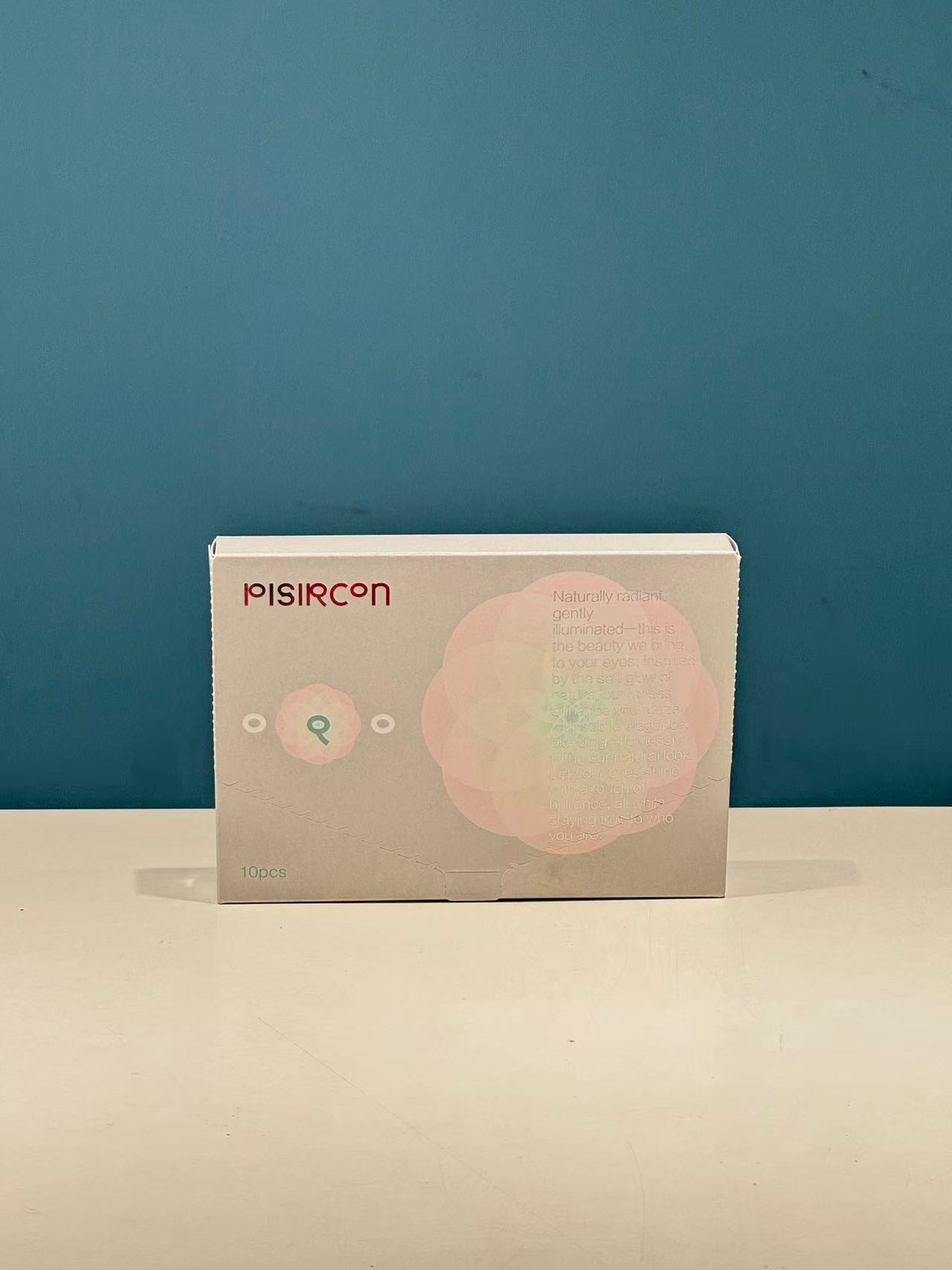
A paper box designed to match product dimensions closely minimizes dimensional weight, which is how carriers calculate freight charges. A paper box with tight internal dimensions fits more units per pallet and per truckload, directly lowering per-unit distribution costs. Standardizing paper box dimensions to align with pallet grids further improves loading efficiency and reduces wasted freight volume.
Auto-bottom and tuck-end paper box designs reduce assembly time significantly compared to manual-fold alternatives. A paper box with clearly designated label panels enables faster scanning and sorting. Lightweight paper box materials matched to compression requirements reduce physical strain and increase handler throughput, all of which contribute to faster warehouse operations.
Yes, a custom paper box with engineered internal partitions or structural inserts can protect products without additional foam, trays, or void fill. This approach reduces paper box assembly complexity, lowers total packaging material costs, and streamlines the packing workflow. For fragile or high-value items, a purpose-designed paper box that consolidates outer and inner protection into one unit is both cost-effective and operationally efficient.

 EN
EN
 Request An Estimate
 Projects