Environmentally Friendly Retail Packaging Solutions: Sustainable, Biodegradable & Cost-Effective Options

One free digital sample for orders over $500
For orders over $7,500, a voucher worth $500 will be given, which can be deducted from the next big shipment or proof.

environmentally friendly retail packaging

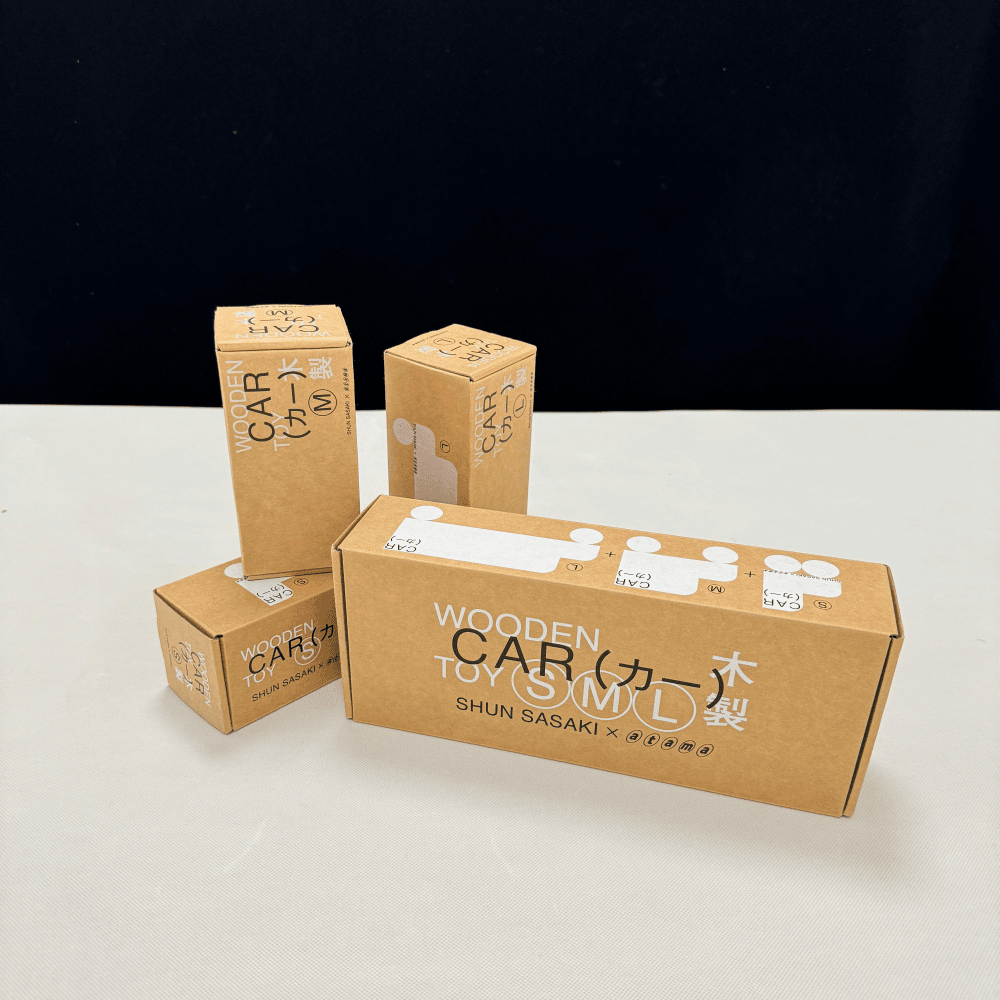
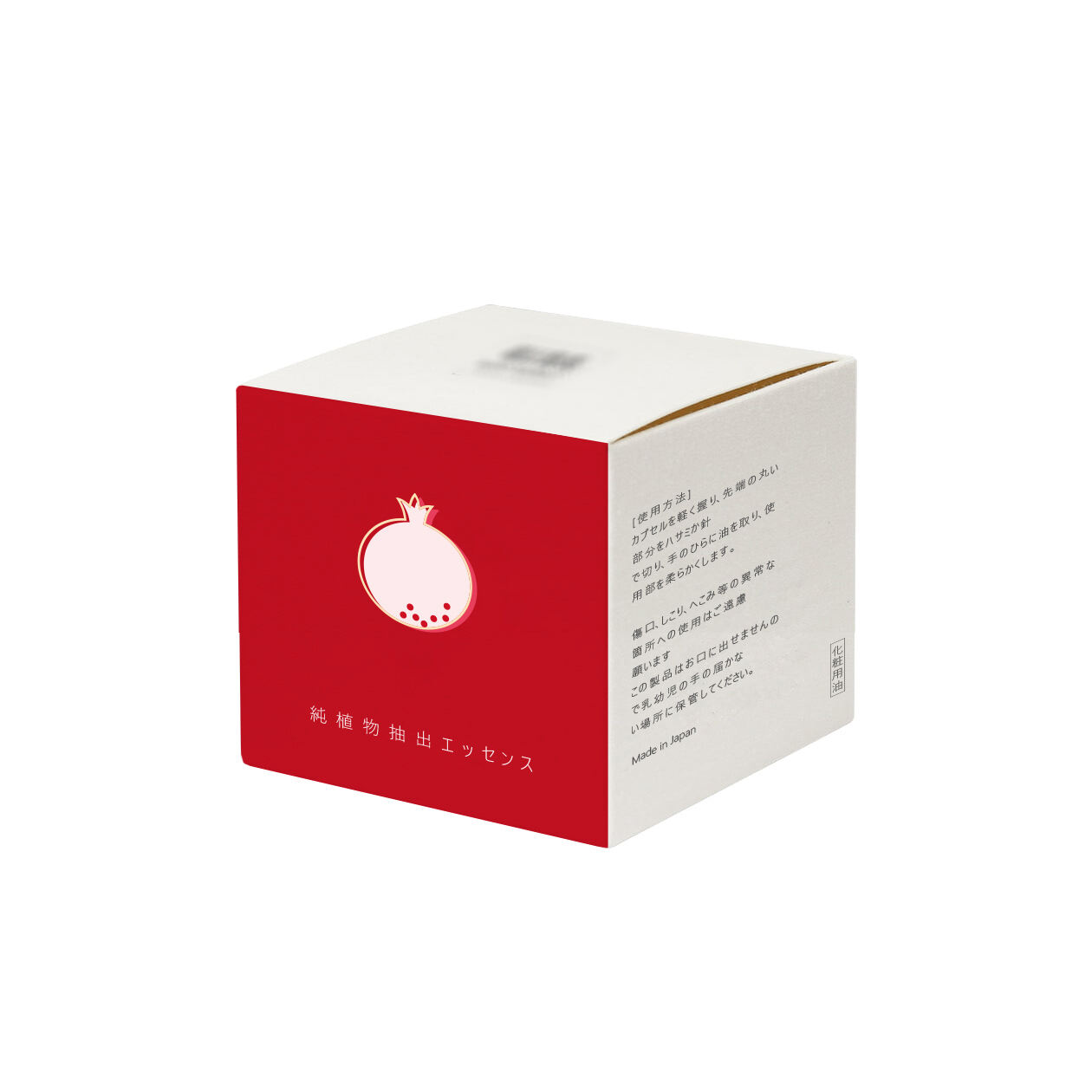
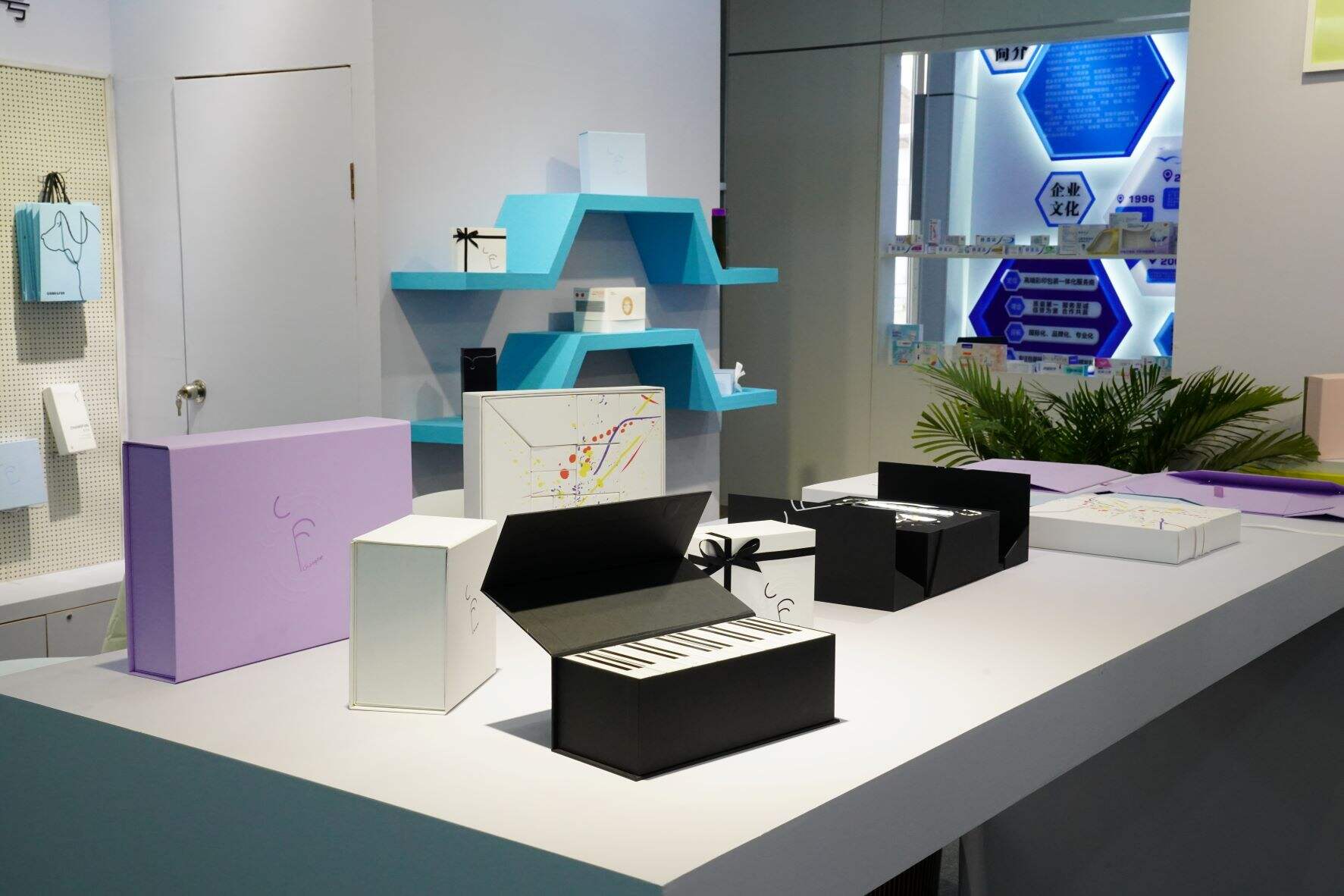
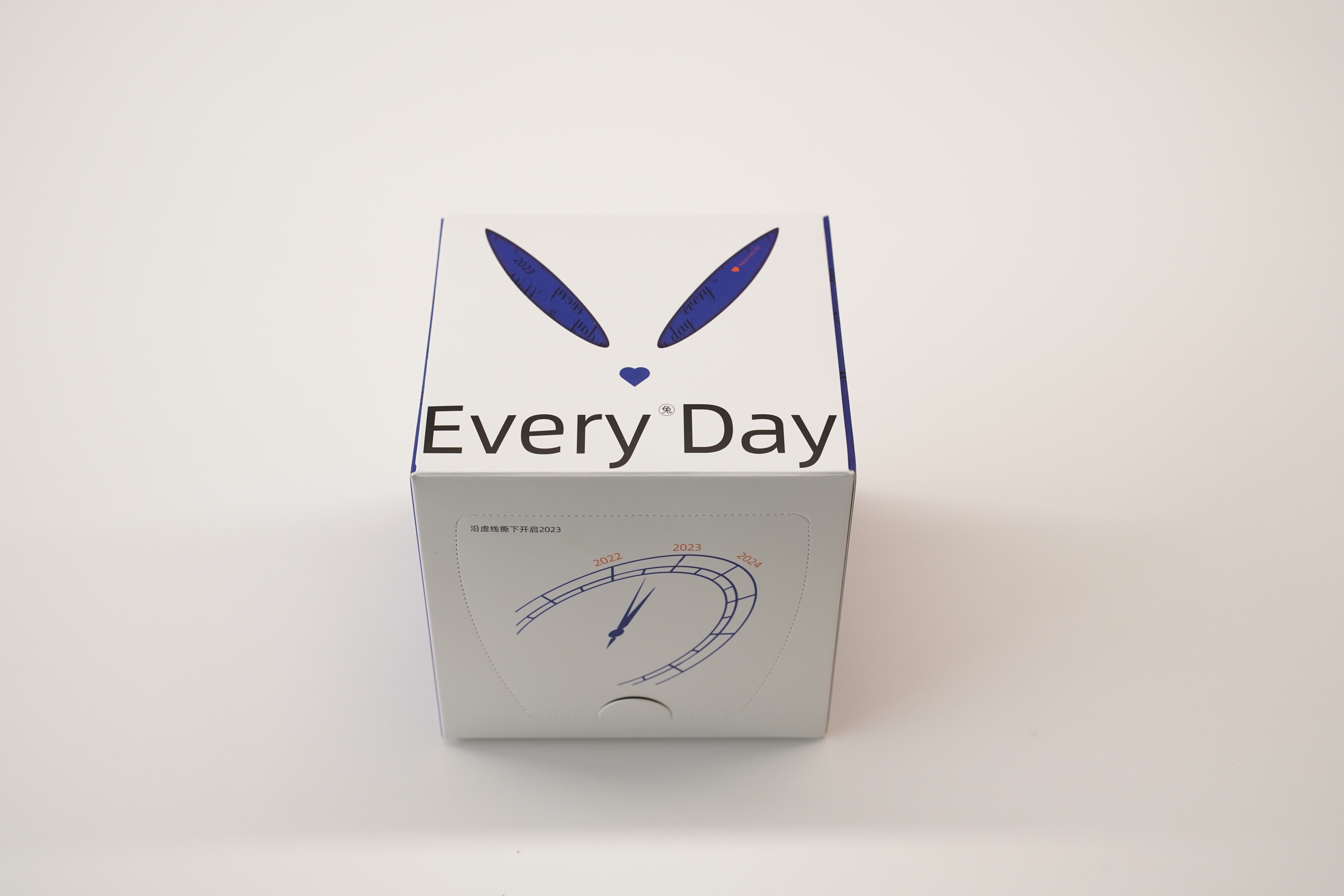
Environmentally friendly retail packaging represents a revolutionary approach to product protection and presentation that prioritizes sustainability without compromising functionality. This innovative packaging solution addresses the growing consumer demand for eco-conscious alternatives while meeting the rigorous requirements of modern retail environments. The primary functions of environmentally friendly retail packaging include product protection, brand communication, and environmental stewardship through reduced ecological impact. These packaging systems utilize advanced biodegradable materials, recycled content, and innovative design methodologies to create containers that safely transport goods while minimizing waste generation. The technological features encompass cutting-edge material science, including plant-based polymers, recycled cardboard composites, and compostable films that maintain product integrity throughout the supply chain. Manufacturing processes incorporate energy-efficient production methods, water-based inks, and renewable energy sources to further reduce the carbon footprint. Applications span across diverse retail sectors, from food and beverage packaging that maintains freshness using natural barrier coatings to electronics packaging that provides adequate protection through molded pulp alternatives. Fashion retailers benefit from tissue paper made from agricultural waste, while cosmetics companies utilize refillable containers and bamboo-based packaging solutions. The design flexibility allows customization for various product sizes and shapes while maintaining structural integrity. These packaging solutions feature tamper-evident seals made from biodegradable materials, ensuring product security without environmental compromise. Advanced printing techniques enable vibrant branding opportunities using eco-friendly inks and dyes. Temperature resistance and moisture barrier properties are achieved through natural wax coatings and bio-based laminates. The integration of smart packaging technologies includes QR codes printed with sustainable methods, enabling digital interaction while reducing material usage. Supply chain optimization features lightweight construction that reduces transportation costs and emissions while maintaining durability standards required for retail distribution networks.

New Products

Environmentally friendly retail packaging delivers substantial cost savings through reduced material usage and optimized shipping efficiency. Businesses experience lower disposal costs since these packaging materials often qualify for municipal composting programs or curbside recycling collection. The lightweight nature of sustainable packaging reduces shipping expenses, allowing companies to transport more products per shipment while decreasing fuel consumption and carbon emissions. Consumer preference studies consistently show increased brand loyalty toward companies that prioritize environmental responsibility, directly translating to improved sales performance and market share growth. Regulatory compliance becomes simplified as governments worldwide implement stricter packaging waste regulations, positioning early adopters ahead of mandatory requirements. The durability of modern sustainable packaging materials equals or exceeds traditional alternatives, ensuring products remain protected throughout distribution channels without compromising quality standards. Manufacturing flexibility allows rapid customization for seasonal promotions or limited-edition products without requiring extensive tooling changes or minimum order quantities. Brand differentiation opportunities multiply as environmentally conscious packaging becomes a powerful marketing tool that communicates corporate values to target audiences. Employee satisfaction increases when companies adopt sustainable practices, leading to improved retention rates and enhanced corporate culture. Supply chain partnerships strengthen as retailers increasingly prefer vendors who demonstrate environmental stewardship through packaging choices. Risk mitigation occurs through diversified material sourcing, reducing dependency on petroleum-based plastics that face price volatility and supply disruptions. Innovation opportunities expand as sustainable packaging research continues developing new materials and techniques that provide competitive advantages. Customer education initiatives become more effective when supported by tangible examples of environmental responsibility through packaging decisions. International market access improves as many regions implement packaging waste regulations that favor sustainable alternatives. Investment returns increase through operational efficiency gains and premium pricing opportunities for environmentally conscious product lines. Social responsibility goals align with business objectives, creating authentic marketing messages that resonate with environmentally aware consumers across demographic segments.

Practical Tips

How to Use Holographic Paper in Packaging Design

20

Oct

How to Use Holographic Paper in Packaging Design

The Rising Impact of Iridescent Packaging Materials In the ever-evolving world of packaging design, holographic paper has emerged as a game-changing material that captivates consumers and elevates brand presence. This dynamic material transforms ordi...
View More
Custom Holographic Paper: Cost and Quality Guide

20

Oct

Custom Holographic Paper: Cost and Quality Guide

Understanding the Magic of Holographic Materials in Modern Printing The alluring world of holographic paper has revolutionized the packaging and printing industry, offering an enchanting blend of visual appeal and practical functionality. This remark...
View More
2025 Guide to Eco Friendly Packaging: Top Sustainable Solutions

20

Oct

2025 Guide to Eco Friendly Packaging: Top Sustainable Solutions

The Evolution of Sustainable Packaging in Modern Commerce As we approach 2025, the landscape of packaging solutions has transformed dramatically, with eco friendly packaging taking center stage in global sustainability efforts. This shift represents ...
View More
2025 Guide: Holographic Paper Types & Applications

27

Nov

2025 Guide: Holographic Paper Types & Applications

The packaging industry continues to evolve with innovative materials that capture consumer attention and enhance brand perception. Holographic paper has emerged as a premium solution for businesses seeking to create memorable packaging experiences th...
View More

Get a Free Quote

Our representative will contact you soon.
Email
Name
Company Name
Interested Products
Please enter your interested products
Message
0/1000

environmentally friendly retail packaging

Advanced Biodegradable Material Technology

Advanced Biodegradable Material Technology

The cornerstone of environmentally friendly retail packaging lies in its revolutionary biodegradable material technology that transforms how products interact with natural ecosystems after disposal. These advanced materials utilize plant-based polymers derived from corn starch, sugarcane, and agricultural waste products that decompose naturally within 90 to 180 days under proper composting conditions. Unlike traditional plastic packaging that persists in landfills for centuries, these innovative materials break down into harmless organic compounds that enrich soil quality rather than contaminate it. The manufacturing process involves sophisticated molecular engineering that creates polymer chains with predetermined breaking points activated by moisture, temperature, and microbial activity found in composting environments. Quality control measures ensure consistent decomposition rates while maintaining structural integrity during product storage and transportation phases. The technology incorporates natural additives like wheat bran and rice hulls that accelerate the biodegradation process without compromising packaging strength or appearance. Advanced testing protocols verify material performance under various environmental conditions, ensuring reliable decomposition across different geographic regions and climate zones. Research partnerships with agricultural institutions enable continuous improvement of raw material sourcing and processing techniques. The barrier properties achieved through natural wax coatings and plant-based laminates provide excellent moisture and oxygen protection comparable to conventional packaging materials. Color stability and print quality remain consistent throughout the product lifecycle, ensuring brand presentation meets retail standards. The scalability of production allows cost-effective manufacturing for both small boutique brands and large multinational corporations. Certification programs validate environmental claims through third-party testing and lifecycle assessments. Innovation pipelines include development of marine-biodegradable options for coastal markets and cold-climate formulations for northern regions. The technology platform supports customization for specific product requirements while maintaining core sustainability benefits that appeal to environmentally conscious consumers seeking authentic alternatives to traditional packaging solutions.
Circular Economy Integration and Waste Reduction

Circular Economy Integration and Waste Reduction

Environmentally friendly retail packaging excels through its seamless integration into circular economy principles that eliminate waste by designing products for continuous material cycles rather than linear disposal patterns. This comprehensive approach begins with material selection that prioritizes recycled content and renewable resources, creating packaging solutions that can be repeatedly processed without degradation of functional properties. The design methodology incorporates end-of-life planning from initial concept stages, ensuring every component can be easily separated and processed through existing recycling infrastructure or industrial composting facilities. Material identification systems use clear labeling and color coding that simplify sorting processes for consumers and waste management facilities. The packaging architecture minimizes material usage through structural optimization that maintains protective qualities while reducing overall weight and volume. Modular design principles enable component reuse and refurbishment programs that extend product lifecycles beyond single-use applications. Collection programs established in partnership with retailers create convenient return systems that capture used packaging for reprocessing into new products. Quality standards ensure recycled materials maintain performance characteristics necessary for food safety and product protection requirements. Supply chain collaboration enables closed-loop systems where packaging waste from one manufacturer becomes raw material for another, creating symbiotic relationships that reduce virgin material demand. Innovation initiatives explore chemical recycling technologies that break down complex packaging materials into base molecular components for reconstruction into new packaging products. Regional adaptation allows customization of circular economy strategies based on local waste management infrastructure and regulatory requirements. Economic incentives align stakeholder interests through cost savings generated by reduced material consumption and waste disposal expenses. Environmental impact assessments quantify benefits including reduced greenhouse gas emissions, decreased landfill contributions, and conservation of natural resources. Consumer engagement programs educate users about proper disposal methods and encourage participation in take-back initiatives. Technology integration includes digital tracking systems that monitor packaging lifecycle performance and optimize material flows throughout the circular economy network.
Enhanced Brand Value and Consumer Connection

Enhanced Brand Value and Consumer Connection

Environmentally friendly retail packaging creates powerful brand differentiation opportunities that forge deeper emotional connections with increasingly conscious consumers who prioritize sustainability in purchasing decisions. Market research consistently demonstrates that brands utilizing sustainable packaging experience measurable increases in consumer trust, loyalty, and willingness to pay premium prices for products that align with personal environmental values. The visual impact of eco-friendly packaging communicates corporate responsibility through tangible evidence that consumers can touch, feel, and share with others, creating organic marketing opportunities that extend brand reach through social media and word-of-mouth recommendations. Storytelling opportunities multiply when packaging becomes part of the brand narrative, allowing companies to share sustainability journeys, material sourcing stories, and environmental impact achievements directly through package design and messaging. Consumer education initiatives supported by packaging choices demonstrate authentic commitment to environmental stewardship rather than superficial greenwashing attempts that modern buyers easily identify and reject. The premium positioning enabled by sustainable packaging allows brands to capture higher margins while reinvesting profits into continued innovation and environmental initiatives that strengthen market position. Demographic analysis reveals that younger consumers, who represent significant purchasing power and future market growth, show strong preference for brands that demonstrate environmental responsibility through concrete actions like packaging choices. International market expansion becomes easier when packaging meets global sustainability standards and consumer expectations that vary significantly across regions. Partnership opportunities with environmental organizations and certification bodies provide third-party validation that enhances credibility and opens new distribution channels. Employee recruitment and retention improve when companies can point to specific sustainability initiatives like packaging programs that make workers proud to represent the brand. Public relations benefits multiply as sustainable packaging provides newsworthy content for media coverage, industry awards, and speaking opportunities at sustainability conferences. Customer feedback loops strengthen when packaging choices generate positive responses that inform future product development and marketing strategies. Competitive advantages compound over time as early adoption of sustainable packaging creates expertise and supply chain relationships that become difficult for competitors to replicate quickly.

Get a Free Quote

Our representative will contact you soon.
Email
Name
Company Name
Interested Products
Please enter your interested products
Message
0/1000