Sustainable Green Eco Packaging Solutions - Biodegradable Materials for Environmentally Conscious Businesses

One free digital sample for orders over $500
For orders over $7,500, a voucher worth $500 will be given, which can be deducted from the next big shipment or proof.

green eco packaging

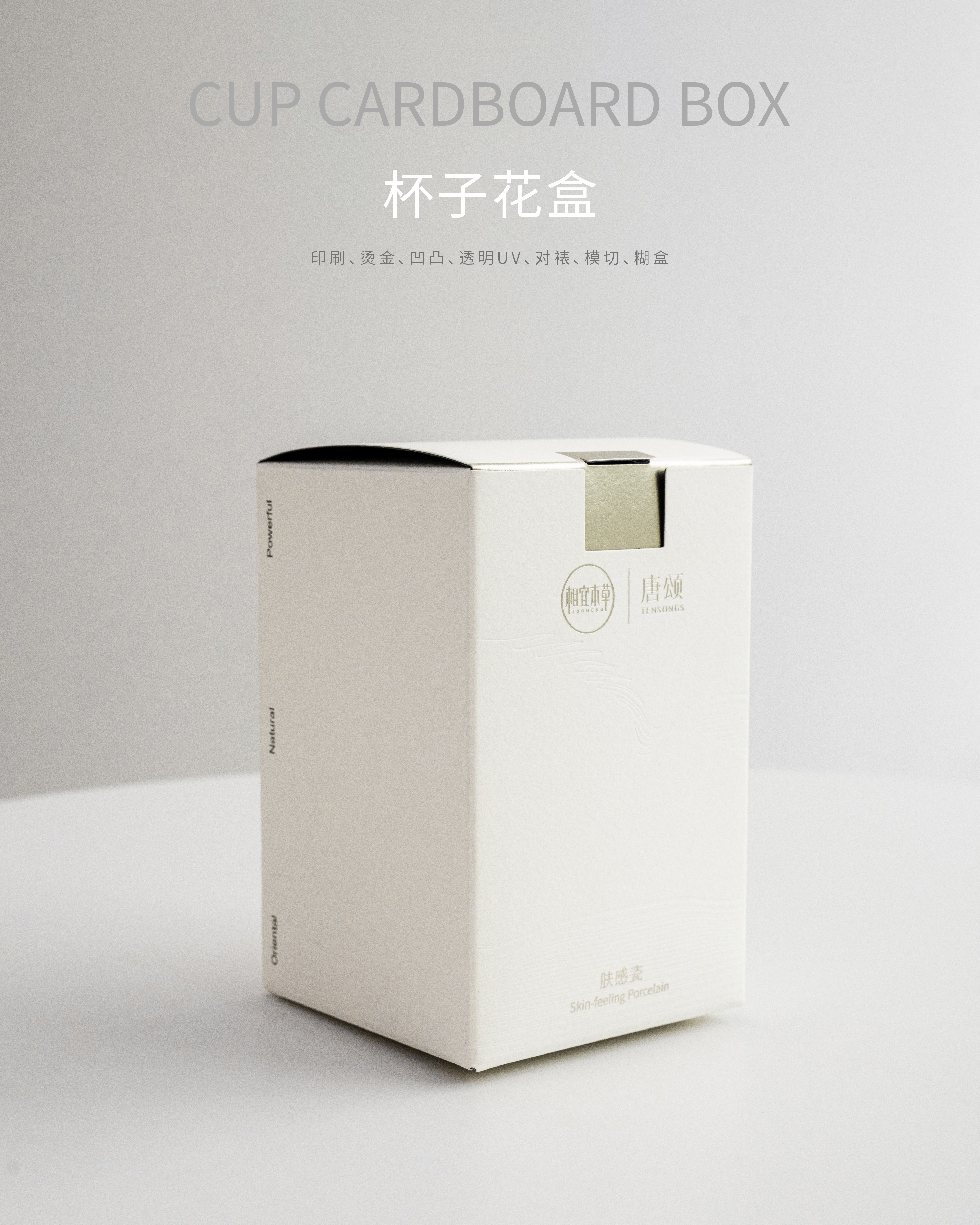
Green eco packaging represents a revolutionary approach to product protection and presentation that prioritizes environmental sustainability without compromising functionality. This innovative packaging solution utilizes biodegradable materials, renewable resources, and minimal processing techniques to create containers, wrappings, and protective barriers that naturally decompose after use. The main functions of green eco packaging extend beyond traditional containment and preservation to include carbon footprint reduction, waste minimization, and ecosystem protection. These packaging systems employ advanced material science to develop alternatives using plant-based polymers, recycled fibers, mushroom-based foam, seaweed extracts, and agricultural waste byproducts. Technological features include water-resistant coatings derived from natural waxes, oxygen barrier properties achieved through innovative bio-films, and structural integrity maintained through fiber reinforcement techniques. Smart design principles ensure these packages provide adequate protection during transportation while maintaining product freshness and safety standards. Applications span across food service industries, e-commerce shipping, retail merchandise packaging, pharmaceutical containers, and consumer goods protection. Green eco packaging solutions effectively serve restaurants seeking sustainable takeout containers, online retailers requiring shipping materials, manufacturers wanting environmentally conscious product wrapping, and businesses committed to reducing their environmental impact. The versatility of these materials allows customization for specific product requirements while maintaining ecological benefits. Modern green eco packaging incorporates features like compostable labels, water-based inks, and modular designs that optimize space efficiency. These packages often display clear decomposition timelines and disposal instructions, helping consumers make informed decisions about waste management and supporting circular economy principles throughout their lifecycle.

Popular Products

Green eco packaging delivers substantial benefits that directly impact business operations and environmental stewardship while meeting consumer demands for sustainable solutions. Cost savings emerge through reduced waste disposal fees, lower carbon taxes, and decreased shipping expenses due to lightweight materials that reduce transportation costs. Businesses experience enhanced brand reputation as environmentally conscious consumers increasingly prefer companies demonstrating genuine commitment to sustainability practices. These packages decompose naturally within months rather than centuries, eliminating long-term landfill accumulation and reducing municipal waste management burdens. Manufacturing processes for green eco packaging typically require less energy consumption compared to traditional plastic production, resulting in lower utility bills and reduced operational overhead. Supply chain efficiency improves through simplified sourcing of renewable materials, often available locally, which reduces dependency on petroleum-based products and volatile fossil fuel markets. Customer loyalty strengthens as studies consistently show consumers willing to pay premium prices for products packaged in environmentally responsible materials. Regulatory compliance becomes easier as governments worldwide implement stricter packaging waste regulations and plastic reduction mandates. Green eco packaging solutions offer superior customization options through natural dyes, embossed textures, and unique material combinations that create distinctive brand experiences. Worker safety improves during manufacturing and handling processes since these materials contain fewer toxic chemicals and harmful additives found in conventional packaging. Storage requirements decrease as many green eco packaging materials can be stored in standard warehouse conditions without special climate control needs. Quality assurance maintains high standards through rigorous testing protocols ensuring these sustainable alternatives meet or exceed traditional packaging performance metrics. Market differentiation becomes achievable as early adopters of green eco packaging gain competitive advantages in sustainability-focused market segments. Innovation opportunities expand through collaboration with material scientists and sustainable technology developers, creating potential for proprietary packaging solutions that further distinguish brands in crowded marketplaces while contributing to environmental protection efforts.

Practical Tips

Best Printing Techniques for Paperboard Product Packaging

28

Sep

Best Printing Techniques for Paperboard Product Packaging

Advanced Packaging Print Technologies Transforming Product Presentation The visual appeal of product packaging plays a crucial role in capturing consumer attention and driving purchasing decisions. Modern printing techniques for packaging have evolve...
View More
Paperboard Packaging 2025: Types and Business Applications

28

Sep

Paperboard Packaging 2025: Types and Business Applications

The Evolution of Modern Paperboard Solutions The packaging industry is witnessing a remarkable transformation as paperboard packaging emerges as a frontrunner in sustainable business solutions. This versatile material has become increasingly sophisti...
View More
How Offset Printing Delivers Superior Results for Paperboard

28

Sep

How Offset Printing Delivers Superior Results for Paperboard

Understanding the Art of Premium Paperboard Production In the world of commercial printing, achieving exceptional quality on paperboard requires mastery of sophisticated printing techniques. Offset printing stands as the gold standard for delivering ...
View More
Custom Packaging Box Design: Expert Tips & Tricks

27

Nov

Custom Packaging Box Design: Expert Tips & Tricks

In today's competitive marketplace, businesses across industries recognize the pivotal role of effective packaging box design in brand differentiation and customer engagement. The strategic approach to creating memorable packaging experiences extends...
View More

Get a Free Quote

Our representative will contact you soon.
Email
Name
Company Name
Interested Products
Please enter your interested products
Message
0/1000

green eco packaging

Biodegradable Material Innovation

Biodegradable Material Innovation

The foundation of effective green eco packaging lies in groundbreaking biodegradable material innovation that transforms agricultural waste and renewable resources into high-performance packaging solutions. These materials undergo carefully controlled decomposition processes that break down completely within 90 to 180 days under proper composting conditions, leaving no harmful residues or microplastics behind. Advanced biotechnology enables the creation of packaging materials from corn starch, wheat bran, sugarcane bagasse, and other agricultural byproducts that would otherwise contribute to waste streams. The molecular structure of these biodegradable compounds provides excellent barrier properties against moisture, oxygen, and contaminants while maintaining flexibility and durability during handling and transportation. Manufacturing techniques preserve the natural properties of source materials while enhancing structural integrity through innovative binding agents derived from plant proteins and natural polymers. Quality control measures ensure consistent performance across varying environmental conditions, temperature fluctuations, and humidity levels encountered during typical supply chain operations. Research and development efforts continuously improve these materials through genetic modification of base organisms, optimization of processing parameters, and integration of natural additives that enhance specific properties like water resistance or UV protection. The production process for biodegradable green eco packaging materials generates significantly lower greenhouse gas emissions compared to traditional plastic manufacturing, contributing to climate change mitigation efforts. Scalability has been achieved through partnerships with agricultural cooperatives and waste management facilities, creating efficient supply chains that support large-volume packaging needs. Testing protocols verify that decomposition occurs without releasing toxic substances into soil or groundwater systems, ensuring environmental safety throughout the complete lifecycle. Innovation in this field extends to developing specialized materials for specific applications, such as temperature-sensitive pharmaceuticals, fresh produce preservation, and electronics protection, proving that biodegradable materials can meet diverse performance requirements while maintaining their eco-friendly characteristics and supporting sustainable business practices.
Carbon Footprint Reduction Technology

Carbon Footprint Reduction Technology

Carbon footprint reduction technology integrated into green eco packaging systems represents a comprehensive approach to minimizing environmental impact throughout the entire product lifecycle from raw material extraction to final disposal. These technologies employ life cycle assessment methodologies to quantify and optimize carbon emissions at every stage of packaging production, distribution, and end-of-life processing. Manufacturing facilities utilize renewable energy sources including solar panels, wind turbines, and biogas generators to power production equipment, dramatically reducing reliance on fossil fuel-based electricity and lowering overall carbon emissions. Transportation efficiency improvements result from lightweight packaging designs that reduce shipping volume and weight, enabling companies to transport more products using fewer vehicles and consuming less fuel per unit delivered. Local sourcing strategies minimize transportation distances by establishing regional production facilities near raw material suppliers and end markets, further reducing carbon emissions associated with long-distance shipping and logistics coordination. Green eco packaging incorporates carbon sequestration properties through materials that actively capture and store atmospheric carbon dioxide during their growth phase, effectively creating carbon-negative packaging solutions that remove more greenhouse gases from the atmosphere than they generate during production. Advanced monitoring systems track carbon footprint metrics in real-time, providing detailed analytics that help manufacturers identify optimization opportunities and verify emission reduction achievements against established sustainability targets. Circular economy principles guide design decisions to maximize material reuse, minimize waste generation, and extend product lifecycles through innovative packaging formats that serve multiple purposes or can be easily repurposed by consumers. Integration with renewable energy grids and smart manufacturing systems enables dynamic adjustment of production schedules to align with periods of clean energy availability, maximizing the use of wind and solar power while minimizing reliance on carbon-intensive backup generation. These carbon reduction technologies deliver measurable environmental benefits while maintaining cost-effectiveness through improved operational efficiency, reduced waste disposal costs, and potential revenue generation through carbon credit programs that monetize verified emission reductions achieved through sustainable packaging practices.
Superior Waste Management Integration

Superior Waste Management Integration

Superior waste management integration distinguishes green eco packaging through seamless compatibility with existing municipal composting systems, industrial recycling facilities, and consumer home composting practices. These packaging solutions undergo extensive testing to ensure optimal decomposition rates under various waste processing conditions, including aerobic composting, anaerobic digestion, and marine environment exposure where accidental disposal might occur. Certification programs validate compostability claims through third-party laboratory testing that simulates real-world waste management scenarios and verifies complete biodegradation without leaving harmful residues or disrupting natural decomposition processes. Clear labeling systems provide consumers with specific disposal instructions, composting guidelines, and timeframe expectations, enabling proper waste sorting and maximizing environmental benefits through appropriate end-of-life handling. Municipal waste management partnerships facilitate large-scale composting programs that convert used green eco packaging into nutrient-rich soil amendments for agricultural applications and urban landscaping projects, creating closed-loop systems that transform waste into valuable resources. Industrial composting compatibility ensures that commercial food service operations, retail establishments, and manufacturing facilities can process packaging waste efficiently without requiring specialized equipment or additional processing steps that increase operational complexity or costs. Home composting optimization allows environmentally conscious consumers to dispose of packaging materials in backyard compost bins alongside food scraps and organic yard waste, supporting decentralized waste management approaches that reduce transportation requirements and processing infrastructure demands. Monitoring systems track decomposition progress through various stages, providing data that helps optimize material formulations and processing conditions for maximum efficiency in different waste management environments. Integration with smart waste management technologies includes RFID tags and QR codes that enable tracking of packaging materials through collection, processing, and final disposition stages, creating accountability and transparency in waste management operations. Educational programs developed in partnership with waste management organizations help consumers and businesses understand proper disposal procedures, maximizing the environmental benefits of green eco packaging while supporting community-wide sustainability initiatives that reduce landfill dependency and promote circular economy principles throughout local waste management systems.

Get a Free Quote

Our representative will contact you soon.
Email
Name
Company Name
Interested Products
Please enter your interested products
Message
0/1000