Modern manufacturing and branding demands require printing solutions that can perform consistently across a wide variety of substrates and surfaces. From rigid cardboard to flexible film, from coated art paper to woven fabric, every material responds differently to ink, pressure, and heat. Businesses that rely on packaging, labeling, or promotional materials cannot afford a one-size-fits-all approach. Understanding how printing solutions adapt to different material applications is essential for achieving professional results and maintaining brand integrity.
The ability to match printing solutions to specific materials is not just a technical preference — it is a strategic business decision. Incorrect process selection leads to smearing, poor adhesion, faded colors, or structural damage to the substrate. As industries such as food packaging, cosmetics, apparel, and retail continue to grow, the demand for versatile printing solutions that deliver sharp visuals across diverse materials has never been stronger. This article explores the core ways that printing solutions evolve and adapt to serve different material types effectively.
Every material has a unique surface structure that directly influences how printing solutions must be configured. Porous substrates such as uncoated kraft paper absorb ink rapidly, requiring printing solutions that use faster-drying, lower-viscosity formulas to prevent bleeding. In contrast, coated art paper has a sealed surface that holds ink on top, allowing printing solutions to achieve finer detail, sharper gradients, and more vibrant CMYK color reproduction. The absorption rate of a substrate determines ink volume, drying time, and the final visual quality of the print.
Rigid materials like corrugated board require printing solutions capable of maintaining registration accuracy across an uneven surface. Flexible substrates such as plastic films demand printing solutions that use inks with strong elasticity so the print does not crack when the material bends or stretches. Matching the ink chemistry and mechanical process to the substrate texture is the foundation of any effective set of printing solutions.
Adhesion is one of the most critical challenges that printing solutions must solve across different materials. Non-porous surfaces like polyethylene, polypropylene, and metallic foil are difficult to bond with standard inks. Printing solutions for these materials often involve surface pre-treatment steps such as corona treatment or flame treatment to raise the surface energy and allow the ink to bond properly. Without this adaptation, even high-quality printing solutions will result in peeling, flaking, or smudging on non-absorbent substrates.
Natural fiber materials like cotton, jute, and linen also present adhesion challenges for printing solutions. Textile-specific inks and heat-transfer printing solutions have been developed to penetrate fiber structures and create durable bonds that survive repeated washing. The diversity of substrate types across packaging, retail, and industrial sectors means that printing solutions must be continuously adapted to meet these material-specific adhesion requirements.
Paper-based substrates remain the most widely used medium for printing solutions in packaging, retail, and marketing. Offset printing solutions are ideal for high-volume paper applications because they deliver consistent color fidelity, sharp detail, and cost efficiency at scale. CMYK offset printing solutions work exceptionally well on coated art paper, making them the preferred choice for premium packaging such as cosmetic boxes, food cartons, and gift bags. The layered ink transfer process in offset printing solutions ensures rich color saturation without overloading the substrate.
Digital printing solutions, on the other hand, offer greater flexibility for short-run paper applications. Variable data, custom logos, and personalized artwork can be incorporated into digital printing solutions without the need for physical printing plates. This makes digital printing solutions especially valuable for small-batch promotional packaging, tea packaging, and specialty retail bags where design customization is a priority. Businesses benefit from the agility that digital printing solutions provide when product lines change frequently.
Flexographic printing solutions are widely adopted for flexible packaging materials including plastic films, foil laminates, and non-woven fabrics. Flexographic printing solutions use flexible rubber or photopolymer plates that can conform to the surface variations of these substrates without losing print quality. This makes flexographic printing solutions particularly well-suited for food packaging, where both visual appeal and material integrity are critical. The inks used in flexographic printing solutions are engineered to remain food-safe while delivering consistent color across large production runs.
For rigid substrates such as glass, metal, and hard plastics, screen printing solutions and UV printing solutions are commonly applied. UV printing solutions cure ink instantly using ultraviolet light, which eliminates absorption concerns on non-porous surfaces. Screen printing solutions build up thick ink layers that provide tactile texture and exceptional durability on rigid surfaces. Both approaches represent how printing solutions have evolved to solve the specific challenges that rigid and specialty materials present.
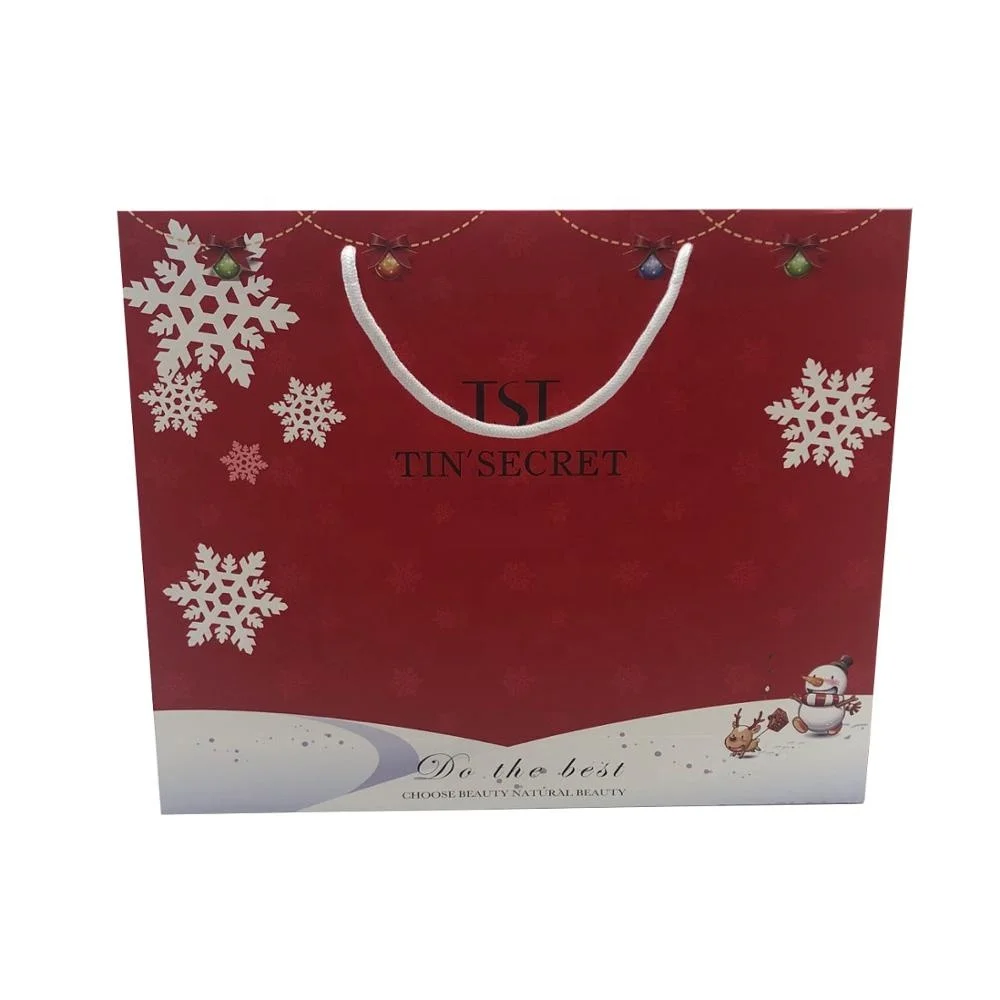
In the packaging sector, printing solutions must balance aesthetics, functionality, and regulatory compliance. Food packaging printing solutions must use food-safe inks that do not migrate through the substrate into the product. Cosmetic packaging printing solutions prioritize color accuracy and premium finishes such as gloss lamination, matte coating, or hot stamping, all of which require printing solutions tailored to the specific finish material. Retail packaging for clothing, jewelry, and shoes demands printing solutions that can render fine detail and brand color with consistency across recyclable paper bags and specialty substrates.
Promotions and event marketing also rely heavily on printing solutions that adapt to a broad range of material types. Banners, fabric displays, rigid signage, and paper collateral all appear together in a single campaign, requiring cohesive printing solutions that maintain brand color accuracy despite being applied to completely different substrates. The ability to standardize color output across diverse materials is one of the most valuable capabilities that advanced printing solutions offer to marketing teams.
Textile printing solutions have undergone significant development to support the growing demand for branded apparel and reusable bags. Sublimation printing solutions transfer dye directly into polyester fibers using heat and pressure, producing vivid, permanent prints that do not sit on top of the fabric surface. This makes sublimation printing solutions ideal for sportswear, banners, and branded reusable bags where color vibrancy and wash durability are both required. Non-woven fabrics used in promotional tote bags and retail packaging respond well to screen-based or heat-transfer printing solutions that respect the low-melt characteristics of the fiber material.
Choosing the right printing solutions for textile and non-woven applications ensures that color does not crack, peel, or fade after repeated use. Businesses that invest in material-appropriate printing solutions gain a competitive advantage in product quality and brand perception.
Paper and plastic have fundamentally different surface energies and absorption rates. Paper-based printing solutions can rely on ink absorption for adhesion, while plastic-based printing solutions require surface pre-treatment or specialized inks to achieve proper bonding. Each material requires a distinct approach to ensure the printed output is durable and visually accurate.
Generally, printing solutions for rigid packaging and flexible packaging differ in ink formulation, plate type, and process mechanics. Rigid substrates benefit from UV or screen-based printing solutions, while flexible packaging typically uses flexographic printing solutions with elastic inks. Using the wrong printing solutions for a given substrate type risks poor adhesion, cracking, or color inconsistency.
Color consistency across materials is achieved through careful calibration of printing solutions using standardized color profiles such as ICC profiles and CMYK color management systems. Operators adjust ink densities, substrate coatings, and process parameters so that printing solutions reproduce the same target colors regardless of the material being printed. Regular press calibration and proofing cycles are essential tools in this process.
 EN
EN
 Request An Estimate
 Projects