
For businesses managing packaging, marketing materials, and branded products at scale, printing solutions are far more than a production step. They represent a significant and often overlooked cost center that directly affects margins, brand consistency, and operational efficiency. When printing solutions are not properly optimized, businesses absorb hidden expenses through material waste, rework, overprinting, and inconsistent output quality. Understanding why optimization matters starts with recognizing just how deeply printing solutions are embedded in everyday business operations.
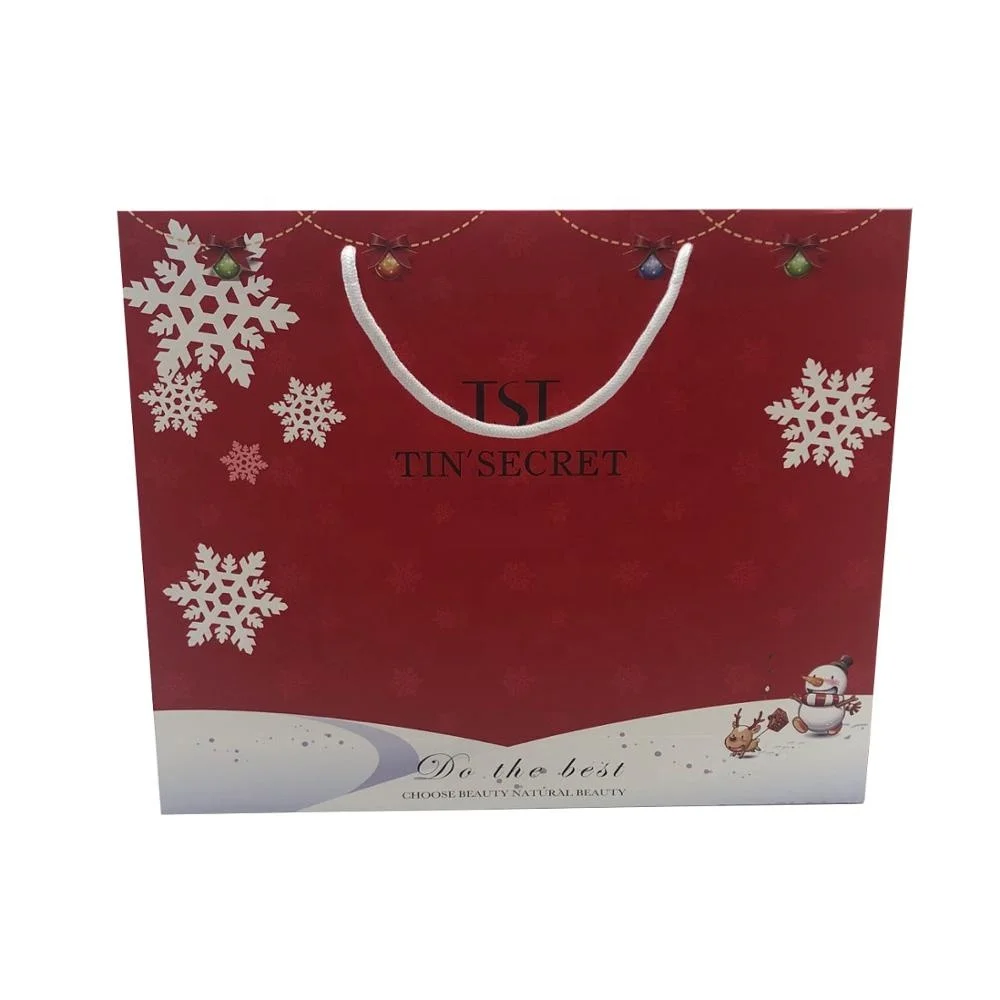
Optimized printing solutions create measurable cost advantages by aligning print specifications with actual production needs. Whether a company is sourcing custom paper bags for retail, cosmetics packaging, or food promotions, the precision of printing solutions determines how well branding translates into physical form — and how much it costs to achieve that translation at volume. The goal of cost control through printing solutions is not simply to cut spending, but to achieve the best output at the lowest viable cost without sacrificing quality or brand integrity.
Many procurement and operations managers underestimate how much unoptimized printing solutions cost over a full production cycle. Printing solutions that are not calibrated for volume, substrate, and color profile tend to generate excess material consumption, color mismatches, and higher rejection rates. Each of these issues translates directly into financial loss. When printing solutions lack standardized specifications, repeat orders become inconsistent, forcing businesses to invest additional time and resources in quality verification and rework processes.
Beyond direct material costs, poorly managed printing solutions introduce indirect costs such as delayed production timelines, strained supplier relationships, and inventory inefficiencies. For example, custom-printed packaging that does not match brand color standards must be reprinted, doubling the unit cost for that batch. Printing solutions that integrate precise CMYK color management and material selection protocols eliminate this risk and protect the overall budget from avoidable overruns. Businesses that treat printing solutions strategically rather than reactively tend to achieve more predictable cost outcomes.
One of the most effective ways printing solutions contribute to cost control is through smart volume planning. Printing solutions that are designed with minimum order quantities, economies of scale, and production scheduling in mind allow buyers to reduce per-unit costs significantly. When printing solutions are optimized for batch efficiency, the fixed costs of setup, plates, and tooling are spread across a larger output, improving the overall cost-per-unit ratio. Businesses that work with printing solutions suppliers to align order volumes with production windows consistently report lower overall packaging costs.
Printing solutions optimization is not only about reducing expenditure — it is equally about ensuring that every unit produced meets a consistent visual standard. Inconsistent printing solutions lead to brand dilution, where products in the same line appear visually different due to color variance, substrate differences, or print registration errors. This inconsistency creates a downstream cost through customer dissatisfaction, returns, and brand perception damage that outweighs any short-term savings gained by using cheaper, lower-quality printing solutions.
When printing solutions are optimized with defined color standards, approved substrates, and quality control checkpoints, the output becomes reliably consistent across large production runs. For industries such as cosmetics, food, clothing, and jewelry packaging, where visual identity directly influences purchase decisions, reliable printing solutions are a business-critical investment. The cost saved through optimized printing solutions is reinforced by reduced quality-related losses and stronger customer retention driven by consistent brand presentation.
The materials used in printing solutions have a direct bearing on both cost and environmental impact. Recyclable art paper, for example, is a substrate choice within printing solutions that balances print quality, sustainability credentials, and unit cost. Selecting the right material through a considered printing solutions strategy prevents over-specification, where businesses pay for premium materials that offer no practical benefit for their specific application. Printing solutions that match material grade to end-use requirements prevent unnecessary cost escalation without compromising structural or visual performance.
Printing solutions that incorporate eco-friendly materials also provide cost advantages through compliance with environmental regulations and alignment with buyer sustainability requirements. As B2B supply chains increasingly demand responsible sourcing, printing solutions that default to recyclable and certified materials reduce compliance risk and broaden market access. This makes material optimization within printing solutions a dual-value decision — it saves cost and opens commercial opportunity simultaneously.
Strategic sourcing is the foundation of sustainable cost control through printing solutions. Rather than treating each print order as a one-off transaction, businesses that build ongoing relationships with capable printing solutions suppliers benefit from better pricing, faster turnaround, and more consistent quality. Reliable printing solutions partners understand a buyer's brand requirements, production calendar, and quality benchmarks, allowing them to proactively suggest process improvements that reduce waste and cost over time.
Evaluating printing solutions suppliers on total cost of ownership rather than unit price alone leads to more accurate cost control outcomes. A slightly higher unit cost from a printing solutions provider that delivers zero defect rates and on-time production is almost always more economical than a lower-priced option that introduces rework, delays, and quality issues. Optimized printing solutions procurement requires a holistic view that accounts for all cost variables across the supply chain, not just the invoice price.
Customization is a core strength of modern printing solutions, and when managed correctly, it does not have to be a cost driver. Printing solutions that offer flexible customization — such as CMYK full-color logo printing on paper bags for food, cosmetics, tea, or promotional use — allow businesses to achieve high visual impact without incurring disproportionate production costs. The key is to standardize the customization process within the printing solutions workflow so that design-to-production handoffs are efficient, error rates are low, and turnaround times are predictable.
Businesses that invest in well-structured printing solutions processes find that customization becomes a competitive advantage rather than a cost burden. When printing solutions are built around clear templates, approved color libraries, and validated production specs, new product lines and seasonal packaging updates can be executed quickly and affordably. This agility, supported by optimized printing solutions, allows companies to respond to market demands without the cost volatility that comes from unmanaged customization workflows.
Printing solutions reduce packaging costs by minimizing material waste, standardizing color and substrate specifications, and enabling volume-based pricing. When printing solutions are optimized for a specific application, overproduction and rework are significantly reduced, lowering total cost per unit across each production run.
Material selection is a critical variable within printing solutions that affects both unit cost and compliance risk. Choosing recyclable art paper or other fit-for-purpose substrates within a defined printing solutions strategy prevents over-specification costs while meeting sustainability and regulatory requirements that are increasingly common in B2B supply chains.
Businesses should review their printing solutions strategy at least annually or whenever there is a significant change in order volume, product range, or supplier performance. Regular evaluation of printing solutions ensures that cost benchmarks remain aligned with market rates and that quality standards continue to meet evolving brand and customer expectations.
 EN
EN
 Request An Estimate
 Projects