
The success of any packaging solution hinges on making informed decisions during the paper box material selection process. This critical choice impacts not only the immediate functionality of your packaging but also long-term cost efficiency and brand reputation. Modern businesses face increasing pressure to balance durability requirements with budget constraints while meeting consumer expectations for quality and sustainability. Understanding the intricate relationship between material properties, manufacturing costs, and performance outcomes enables companies to optimize their packaging investments. Effective paper box material selection requires comprehensive evaluation of substrate characteristics, coating options, structural requirements, and intended applications.
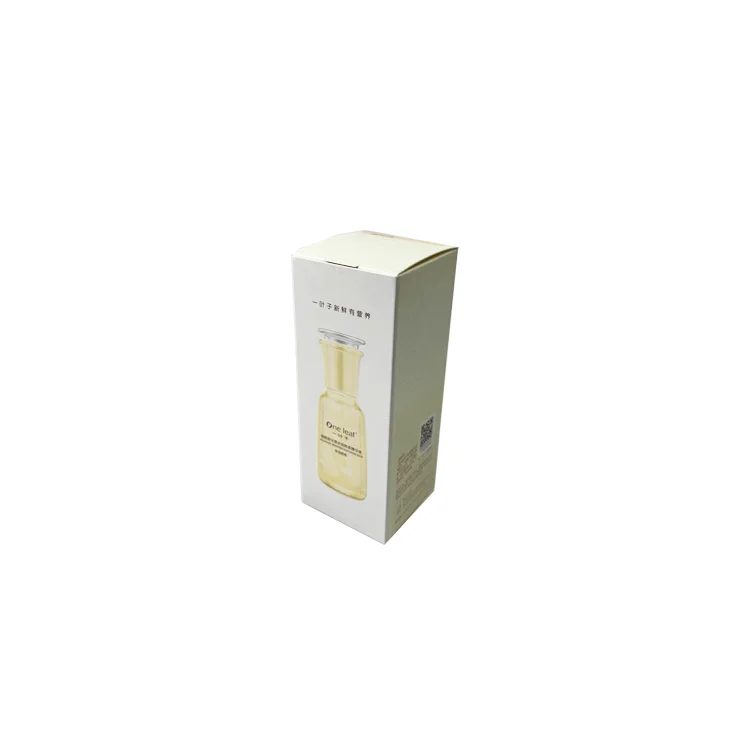
The foundation of successful paper box material selection begins with understanding substrate density variations and their impact on structural integrity. Higher density materials typically offer superior compression strength and resistance to deformation under stress. However, increased density often correlates with higher material costs and reduced flexibility during manufacturing processes. Materials ranging from 250 GSM to 400 GSM represent the most common specifications for commercial packaging applications, each offering distinct advantages depending on product requirements.
Paper box material selection must account for the relationship between thickness and performance characteristics. Thicker substrates provide enhanced puncture resistance and improved printing surface quality, making them ideal for premium product presentations. Conversely, thinner materials reduce shipping weight and material costs while maintaining adequate protection for lightweight items. The optimization process requires careful analysis of product weight, handling requirements, and distribution channel demands to identify the most appropriate substrate specifications.
Contemporary paper box material selection increasingly emphasizes sustainable fiber sourcing and recycled content integration. Virgin fiber materials offer superior strength and printability characteristics but command premium pricing and raise environmental concerns. Recycled content materials provide cost advantages and sustainability benefits while potentially compromising certain performance attributes. The optimal balance depends on brand positioning, regulatory requirements, and target market preferences regarding environmental responsibility.
Fiber orientation during manufacturing significantly influences box performance characteristics and fold line integrity. Cross-grain construction enhances structural stability but may increase material waste during die-cutting operations. Understanding these technical considerations enables more informed paper box material selection decisions that optimize both performance and manufacturing efficiency. Modern recycling technologies have substantially improved the quality and consistency of recycled fiber materials, making them viable alternatives for many packaging applications.
Effective paper box material selection requires comprehensive cost analysis extending beyond initial substrate pricing. Material costs typically represent 40-60% of total packaging expenses, making this evaluation critical for profitability optimization. Premium materials may justify higher costs through enhanced brand perception, reduced product damage rates, and improved customer satisfaction scores. However, over-specification can unnecessarily inflate production costs without providing proportional benefits to end users or business objectives.
Volume purchasing agreements and supplier relationships significantly influence material pricing structures and availability. Long-term contracts with reliable suppliers can provide cost stability and priority allocation during supply shortages. The paper box material selection process should incorporate supplier evaluation criteria including quality consistency, delivery reliability, technical support capabilities, and financial stability. These factors collectively impact total cost of ownership beyond the initial per-unit material pricing.
Different materials require varying processing parameters that directly impact manufacturing costs and efficiency levels. Some substrates demand specialized handling equipment, modified adhesive formulations, or extended curing times that increase production expenses. Paper box material selection decisions should account for these downstream manufacturing implications to accurately assess total project costs. Materials with superior runnability characteristics may justify higher unit costs through reduced waste rates and increased production speeds.
Quality control requirements and rejection rates vary significantly across different material specifications and supplier sources. Materials with consistent caliper, moisture content, and surface properties reduce manufacturing variability and minimize quality-related delays. The paper box material selection process should evaluate historical quality data and supplier certifications to predict manufacturing performance and associated costs. Investment in premium materials often results in lower total production costs through improved yields and reduced rework requirements.
Paper box material selection must address the specific load conditions and stress patterns expected during product lifecycle stages. Edge crush strength, burst strength, and compression resistance represent critical performance metrics that vary significantly across material types and grades. Testing protocols should simulate actual use conditions including stacking loads, transportation vibration, and environmental exposure scenarios. Materials that demonstrate superior performance under standardized testing conditions typically provide better protection and reduced product damage rates.
Dynamic loading conditions during shipping and handling create complex stress patterns that require careful material evaluation. Repeated flexing, impact forces, and vibration exposure can cause fatigue failures in inadequately specified materials. Comprehensive paper box material selection incorporates accelerated aging tests and real-world validation studies to predict long-term performance characteristics. Investment in appropriate testing protocols prevents costly field failures and maintains brand reputation through consistent product protection.
Moisture sensitivity represents a critical consideration in paper box material selection for applications involving humidity exposure or temperature fluctuations. Different coating technologies and barrier treatments provide varying levels of moisture protection while impacting material costs and recyclability characteristics. Uncoated materials offer superior printability and lower costs but demonstrate limited moisture resistance. Barrier-coated options provide enhanced protection at increased cost and potential recycling complications.
Temperature cycling and storage conditions significantly influence material dimensional stability and structural integrity over time. Materials with high moisture absorption rates may experience warping, delamination, or strength degradation under adverse conditions. Effective paper box material selection requires understanding of distribution environments and storage requirements to ensure adequate performance throughout the product lifecycle. Climate-controlled environments may permit use of more economical materials, while challenging conditions necessitate premium specifications with enhanced environmental resistance.
Modern paper box material selection increasingly incorporates comprehensive life cycle assessment methodologies to evaluate environmental impacts from raw material extraction through end-of-life disposal. Carbon footprint calculations, water usage assessments, and energy consumption analyses provide quantitative frameworks for comparing material alternatives. Sustainable materials may command premium pricing but offer long-term benefits through regulatory compliance, brand differentiation, and consumer preference alignment.
Recyclability characteristics and waste stream compatibility significantly influence material selection decisions in environmentally conscious markets. Materials with complex coating systems or mixed fiber compositions may create recycling challenges that offset other environmental benefits. Paper box material selection should evaluate regional recycling infrastructure capabilities and contamination sensitivity to ensure end-of-life management effectiveness. Collaboration with waste management partners and recycling facilities provides valuable insights for optimizing material specifications and disposal processes.
Regulatory compliance and industry certification requirements increasingly influence paper box material selection decisions across various market segments. Food-grade applications demand materials with appropriate barrier properties and migration resistance characteristics. Pharmaceutical packaging requires materials meeting stringent quality standards and traceability requirements. Understanding these regulatory frameworks ensures material selections support product compliance and market access objectives.
Third-party certifications such as FSC, PEFC, and Cradle to Cradle provide verification of sustainable sourcing and manufacturing practices. These certifications may influence material availability and pricing while supporting corporate sustainability objectives and customer requirements. Paper box material selection processes should incorporate certification requirements early in the evaluation phase to ensure alignment with brand commitments and market expectations. Investment in certified materials often provides competitive advantages and risk mitigation benefits that justify premium pricing structures.
Establishing robust quality control protocols for paper box material selection ensures consistent performance and minimizes production disruptions. Incoming material inspection should include dimensional verification, surface quality assessment, and moisture content measurement to identify potential processing issues before production begins. Statistical sampling plans and acceptance criteria provide objective frameworks for material approval decisions while maintaining efficient receiving operations.
Supplier quality agreements and certification programs establish clear performance expectations and accountability measures for material consistency. Regular audits and performance reviews ensure ongoing compliance with specifications and identify opportunities for improvement. Paper box material selection should prioritize suppliers with demonstrated quality systems and continuous improvement cultures. Investment in supplier development and relationship management typically yields superior material quality and reduced total cost of ownership over time.
Comprehensive testing protocols validate that selected materials meet performance requirements under actual use conditions and environmental exposures. Accelerated aging tests, drop testing, and compression analysis provide predictive data for material performance optimization. Real-world validation studies in distribution environments offer additional confirmation of material adequacy and identify potential failure modes not captured in laboratory testing.
Continuous monitoring and feedback systems enable refinement of paper box material selection criteria based on field performance data and customer feedback. Tracking metrics such as damage rates, customer complaints, and return frequencies provides quantitative assessment of material performance effectiveness. This data-driven approach supports ongoing optimization of material specifications and supplier relationships to maximize value delivery and customer satisfaction.
The optimal balance between cost and durability in paper box material selection depends on your specific application requirements and risk tolerance. For high-value products or items requiring extended storage periods, investing in premium materials with superior durability characteristics typically provides positive return on investment through reduced damage rates and enhanced brand perception. However, for disposable packaging or short-term applications, cost-optimized materials may offer better value propositions. Consider total cost of ownership including potential damage costs, replacement expenses, and brand impact when making material decisions.
Environmental factors such as humidity, temperature fluctuations, and UV exposure significantly impact paper box material performance and longevity. High humidity environments can cause dimensional changes, strength degradation, and potential mold growth in untreated materials. Temperature cycling may lead to expansion and contraction that compromises structural integrity and joint strength. Effective paper box material selection must account for expected environmental conditions throughout the distribution chain and storage periods to ensure adequate protection and performance consistency.
Industry-standard testing methods including TAPPI and ASTM protocols provide reliable frameworks for evaluating paper box material durability characteristics. Edge crush testing (ECT) predicts stacking strength and compression resistance, while burst strength testing evaluates puncture resistance and material integrity. Drop testing and vibration analysis simulate transportation stresses and handling impacts. Combining laboratory testing with real-world validation studies in actual distribution environments provides the most comprehensive assessment of material performance and durability expectations.
Achieving optimal balance between cost efficiency and sustainability in paper box material selection requires comprehensive evaluation of total cost of ownership and environmental impact metrics. Consider materials with high recycled content that meet performance requirements while potentially offering cost advantages. Evaluate supplier certifications and sustainable sourcing practices that align with corporate sustainability objectives. Implement life cycle assessment methodologies to quantify environmental impacts and identify optimization opportunities. Collaboration with suppliers and industry partners often reveals innovative material solutions that deliver both economic and environmental benefits through improved efficiency and reduced waste generation.

 EN
EN
 Request An Estimate
 Projects