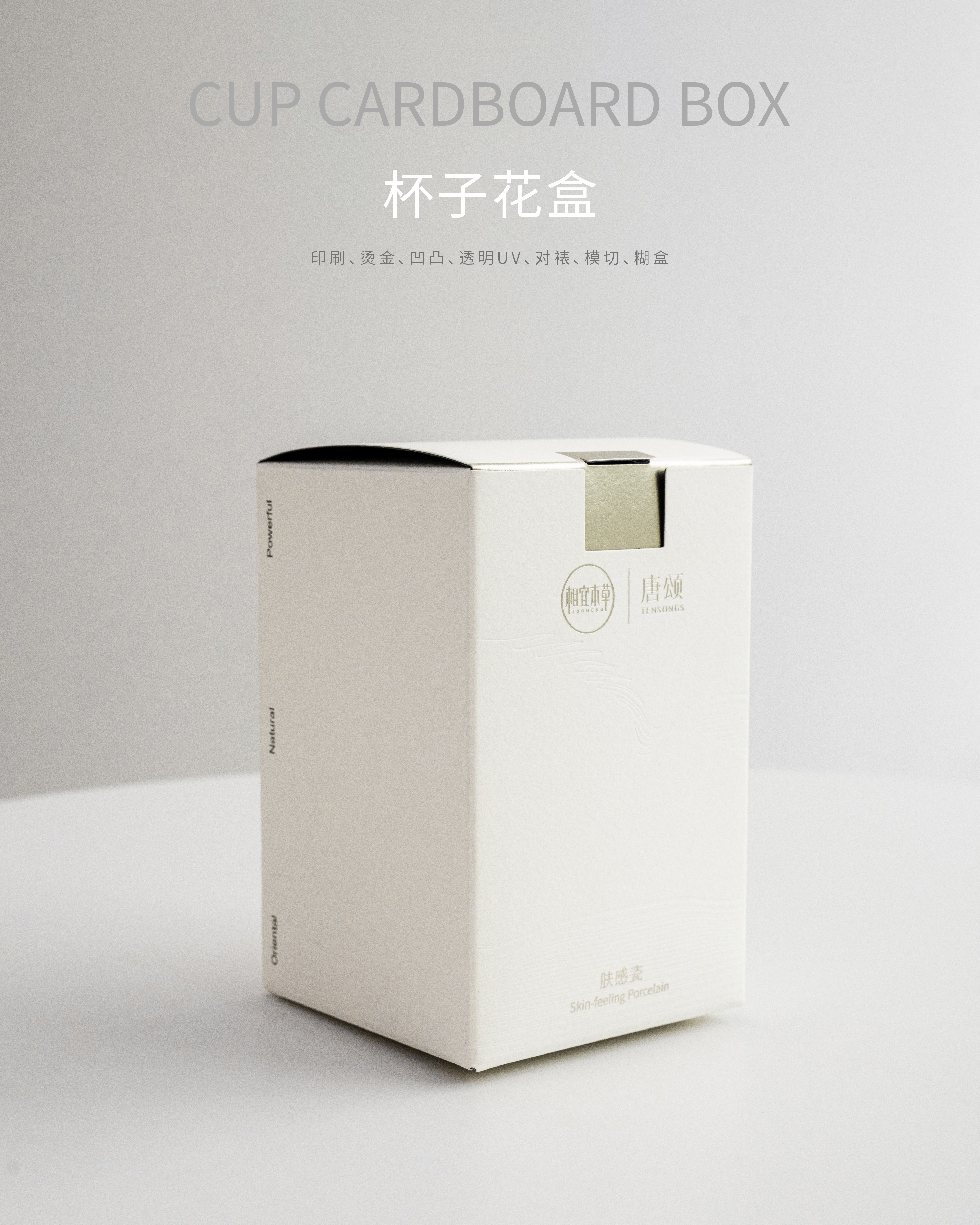
Modern businesses face increasing pressure to create packaging solutions that balance aesthetic appeal, functionality, and cost-effectiveness. Paper box design has emerged as a critical component in establishing brand identity while ensuring products reach consumers safely and attractively. The strategic approach to packaging design influences consumer purchasing decisions, brand perception, and operational efficiency throughout the supply chain. Companies investing in thoughtful paper box design often experience improved market positioning and customer loyalty compared to those using generic packaging solutions.
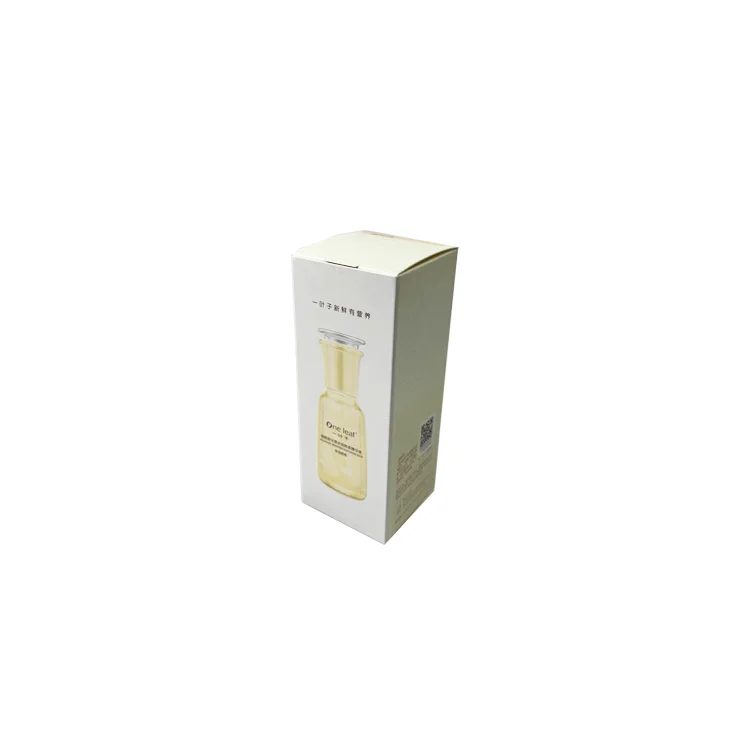
Effective paper box design serves as a powerful brand ambassador, communicating company values and product quality before consumers interact with the actual item. Visual elements including color schemes, typography, and graphic layouts must align seamlessly with established brand guidelines. Professional designers understand that consistency across packaging materials strengthens brand recognition and builds consumer trust over time.
The psychological impact of well-executed paper box design extends beyond mere aesthetics, influencing perceived value and purchase intent. Research indicates that consumers form opinions about product quality within seconds of viewing packaging, making initial visual impression crucial for market success. Companies implementing cohesive design strategies across their packaging portfolio typically experience higher brand recall rates and improved customer retention metrics.
Beyond visual appeal, successful paper box design requires careful attention to structural integrity and functional performance. Engineers must consider factors including weight distribution, stacking capabilities, and protection requirements during transportation and storage. The selection of appropriate cardboard grades and construction techniques directly impacts both product safety and packaging costs throughout the supply chain.
Advanced paper box design incorporates innovative folding patterns and reinforcement strategies that maximize strength while minimizing material usage. These engineering solutions contribute to sustainability goals while maintaining the protective qualities essential for product integrity. Companies working with experienced packaging specialists often achieve optimal balance between structural performance and material efficiency.
The unboxing experience has become increasingly important in digital marketing strategies, with social media platforms amplifying the impact of well-designed packaging. Thoughtful paper box design creates memorable moments that encourage customers to share their experiences online, generating organic marketing value. Elements such as easy-open features, interior layouts, and tactile materials contribute to positive consumer interactions.
Premium paper box design often includes specialized finishing techniques like embossing, foil stamping, or spot UV coating that enhance perceived value and create distinctive tactile experiences. These sophisticated treatments help products stand out in competitive retail environments while justifying higher price points. Investment in quality paper box design frequently translates to improved profit margins and brand positioning.
Effective paper box design considers the entire retail journey, from warehouse storage to point-of-sale display. Packaging dimensions must accommodate standard shipping containers and retail shelving systems while maximizing visual impact on store shelves. Design elements should remain legible and attractive under various lighting conditions commonly found in retail environments.
Strategic paper box design incorporates features that facilitate efficient inventory management and reduce handling costs throughout the distribution network. Standardized dimensions, clear product identification, and stackable configurations contribute to operational efficiency while maintaining brand consistency. Retailers often favor suppliers whose packaging systems integrate seamlessly with existing logistics processes.
Contemporary paper box design increasingly emphasizes environmental sustainability through responsible material sourcing and recyclable construction methods. Manufacturers are adopting recycled content cardboard and water-based inks to minimize ecological impact while maintaining quality standards. These environmentally conscious approaches often resonate strongly with modern consumers who prioritize sustainable purchasing decisions.
Innovative paper box design strategies focus on reducing overall material usage without compromising structural integrity or visual appeal. Techniques such as optimized die-cutting patterns and efficient nesting arrangements help minimize waste during production processes. Companies implementing sustainable paper box design practices often achieve cost savings while improving their environmental credibility in the marketplace.
Forward-thinking paper box design considers end-of-life scenarios and opportunities for material recovery within circular economy frameworks. Packaging designs that facilitate easy disassembly and material separation support recycling processes and reduce landfill waste. Clear recycling instructions and material identification symbols help consumers make responsible disposal decisions.
The integration of biodegradable coatings and adhesives in paper box design eliminates barriers to composting and recycling processes. These technical innovations allow manufacturers to maintain performance standards while supporting waste reduction goals. Successful implementation of circular design principles often provides competitive advantages in environmentally conscious market segments.
Advanced digital printing technologies have revolutionized paper box design possibilities, enabling cost-effective short runs and personalization options previously impossible with traditional printing methods. Variable data printing allows companies to create customized packaging for different market segments or promotional campaigns without significant setup costs. These technological capabilities support more targeted marketing strategies and improved customer engagement.
High-resolution digital printing delivers exceptional color accuracy and detail reproduction in paper box design applications. The ability to produce small quantities economically enables businesses to test market response to new designs before committing to large production runs. This flexibility reduces financial risk while allowing for rapid design iteration based on consumer feedback.
Emerging technologies are enabling paper box design to incorporate interactive elements such as QR codes, NFC chips, and augmented reality triggers. These smart packaging features provide additional value to consumers through access to product information, authentication services, or digital experiences. Integration of these technologies requires careful consideration of design layouts and user interface optimization.
The incorporation of tracking technologies in paper box design supports supply chain transparency and anti-counterfeiting efforts. These security features become increasingly important for premium products and pharmaceutical applications where authenticity verification is critical. Successful implementation requires balancing technological functionality with traditional design aesthetics and cost considerations.
Efficient paper box design considers manufacturing constraints and opportunities for production optimization from the earliest design phases. Standardization of common elements across product lines reduces setup times and material inventory requirements. Design decisions that align with existing production capabilities minimize tooling costs and accelerate time-to-market for new packaging initiatives.
Collaborative relationships between design teams and manufacturing specialists ensure that creative concepts remain practical and cost-effective throughout production. Early involvement of production expertise in the paper box design process helps identify potential issues before they impact project timelines or budgets. This integrated approach typically results in more successful packaging launches and improved profitability.
Strategic paper box design addresses logistical challenges including shipping efficiency, storage optimization, and handling requirements throughout the supply chain. Packaging dimensions that maximize container utilization reduce transportation costs and environmental impact. Designs that facilitate automated handling equipment improve warehouse efficiency and reduce labor costs.
Effective paper box design anticipates seasonal demand fluctuations and supply chain disruptions through flexible material specifications and alternative sourcing options. Designs that accommodate multiple substrate options provide procurement flexibility while maintaining brand consistency. This strategic approach helps companies maintain packaging availability during challenging market conditions.
Comprehensive paper box design development includes rigorous testing protocols to ensure packaging performance meets intended specifications under various conditions. Drop testing, compression testing, and environmental conditioning validate structural integrity and product protection capabilities. These quality assurance measures prevent costly product damage and maintain brand reputation in the marketplace.
Color consistency and print quality standards require ongoing monitoring throughout production runs to maintain paper box design integrity. Spectrophotometric measurement and visual inspection protocols ensure that finished packaging matches approved design specifications. Implementation of statistical process control methods helps identify and correct quality deviations before they impact customer satisfaction.
Professional paper box design must comply with relevant industry regulations and safety standards that vary by product category and geographic market. Food packaging requires FDA approval for materials in contact with consumables, while pharmaceutical packaging must meet specific tamper-evident and child-resistant requirements. Understanding and incorporating these regulatory requirements prevents costly redesigns and market delays.
International shipping requirements may dictate specific labeling formats and hazard communication elements that must be integrated into paper box design layouts. Compliance with customs regulations and trade requirements ensures smooth product distribution across global markets. Proactive consideration of regulatory requirements during design development prevents complications during market expansion initiatives.
Structural integrity requirements depend on product weight, fragility, transportation distances, and storage conditions. Heavy items require reinforced construction with higher-grade cardboard and additional structural elements like corner reinforcements or internal dividers. Environmental factors such as humidity, temperature variation, and stacking loads also influence structural design decisions for optimal protection.
Packaging dimensions directly affect shipping costs through container utilization efficiency and dimensional weight pricing structures. Optimized paper box design maximizes products per shipping container while minimizing wasted space. Additionally, standardized dimensions across product lines simplify inventory management and reduce handling complexity throughout distribution networks.
Consumer psychology influences color choices, typography selection, and overall design aesthetics that trigger desired emotional responses and purchasing behaviors. Research shows that certain colors and design elements communicate quality, trust, or luxury to specific demographic groups. Understanding target audience psychology helps create paper box design solutions that resonate with intended customers and drive sales performance.
Effectiveness measurement includes tracking metrics such as brand recognition surveys, sales performance data, customer feedback scores, and social media engagement rates. A/B testing different design variations provides quantitative data on consumer preferences and purchase intent. Additionally, monitoring return rates, damage claims, and handling costs provides insight into functional performance aspects of paper box design implementations.

 EN
EN
 Request An Estimate
 Projects