Designing Product Packaging Solutions Guide

One free digital sample for orders over $500
For orders over $7,500, a voucher worth $500 will be given, which can be deducted from the next big shipment or proof.

designing product packaging

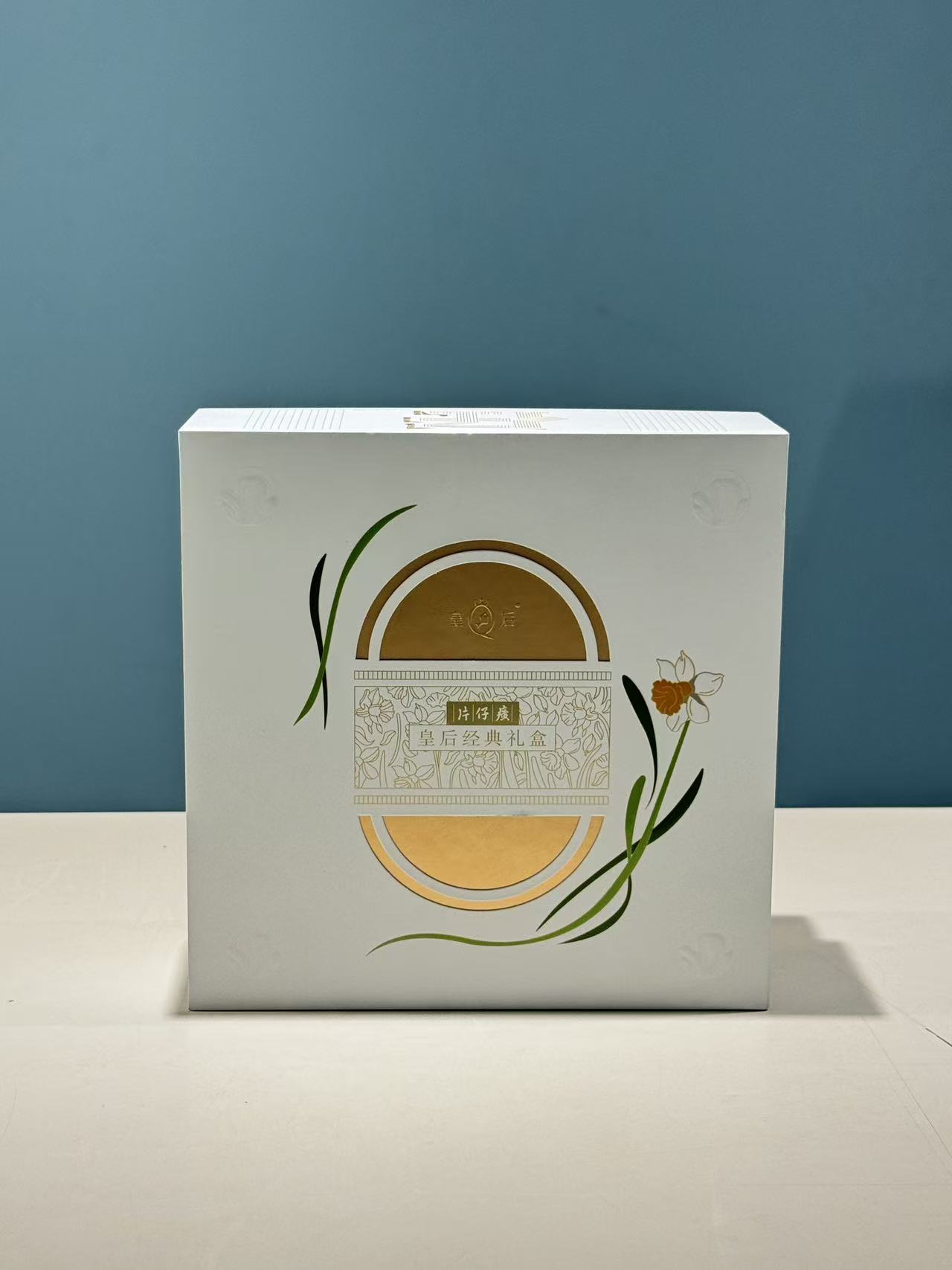
Designing product packaging is a strategic process that combines creativity, functionality, and brand communication to create protective and visually appealing containers for products. This comprehensive discipline encompasses graphic design, structural engineering, material selection, and marketing psychology to deliver packaging solutions that resonate with target audiences. The main functions of designing product packaging include protecting products during transportation and storage, communicating brand identity and product information, attracting consumer attention at retail points, and ensuring regulatory compliance. Technological features involve advanced design software for 3D visualization, sustainable material innovations, printing techniques such as digital and flexographic printing, and structural design capabilities that optimize space efficiency and durability. Applications span across numerous industries including food and beverage, cosmetics and personal care, pharmaceuticals, electronics, luxury goods, and e-commerce shipping solutions. Designing product packaging also integrates user experience considerations such as ease of opening, resealability, and disposal convenience. Modern packaging design leverages color psychology, typography, imagery, and texture to create memorable unboxing experiences that enhance customer satisfaction and brand loyalty. The process typically involves market research, concept development, prototyping, testing, and refinement to ensure the final packaging meets both aesthetic and functional requirements while remaining cost-effective for production at scale.

Popular Products

Investing in professional designing product packaging delivers substantial value by directly influencing purchase decisions and strengthening brand recognition in competitive markets. Well-executed packaging design increases shelf visibility by up to 70 percent, helping products stand out among countless alternatives and capturing consumer attention within critical seconds. Operational benefits include reduced product damage during shipping through optimized structural design, which minimizes returns and replacement costs while improving customer satisfaction. Designing product packaging with efficient dimensions reduces shipping volumes and warehousing space requirements, lowering logistics expenses and environmental impact simultaneously. Buyers gain strategic advantages through packaging that communicates product benefits clearly, reducing the need for extensive sales explanation and accelerating the decision-making process. Application suitability spans startups launching new products who need memorable first impressions, established brands refreshing their market presence, and businesses expanding into new demographic segments requiring tailored messaging. The design process incorporates consumer feedback and market trends, ensuring packaging remains relevant and appealing to evolving preferences. Practical benefits extend to enhanced product protection through material innovation and structural integrity, preserving product quality from manufacturing to end-use. Designing product packaging also supports sustainability initiatives by incorporating recyclable materials and minimizing waste, aligning with growing consumer demand for environmentally responsible products. Decision-useful considerations include scalability for production volumes, adaptability across product variations, and compliance with industry regulations. Professional packaging design ultimately creates tangible business value through increased sales conversion, reduced operational costs, improved brand equity, and stronger customer relationships that drive repeat purchases and positive word-of-mouth recommendations.

Practical Tips

Product Packaging Materials: Which is Best for You?

15

Dec

Product Packaging Materials: Which is Best for You?

Selecting the right materials for your business represents one of the most critical decisions in modern commerce. From protecting delicate electronics during shipping to showcasing premium cosmetics on retail shelves, the choice of product packaging ...
View More
Top 10 Designer Perfume in Box Collections

15

Dec

Top 10 Designer Perfume in Box Collections

Designer perfumes have always captivated fragrance enthusiasts with their exquisite scents and luxurious presentations. The art of packaging these precious liquid treasures has evolved into a sophisticated blend of protection, aesthetics, and brand s...
View More
How Paper Box Material Selection Affects Durability and Cost Efficiency

30

Jan

How Paper Box Material Selection Affects Durability and Cost Efficiency

The success of any packaging solution hinges on making informed decisions during the paper box material selection process. This critical choice impacts not only the immediate functionality of your packaging but also long-term cost efficiency and bran...
View More
How Does a Printing Company Improve Workflow in High Volume Production?

30

Jun

How Does a Printing Company Improve Workflow in High Volume Production?

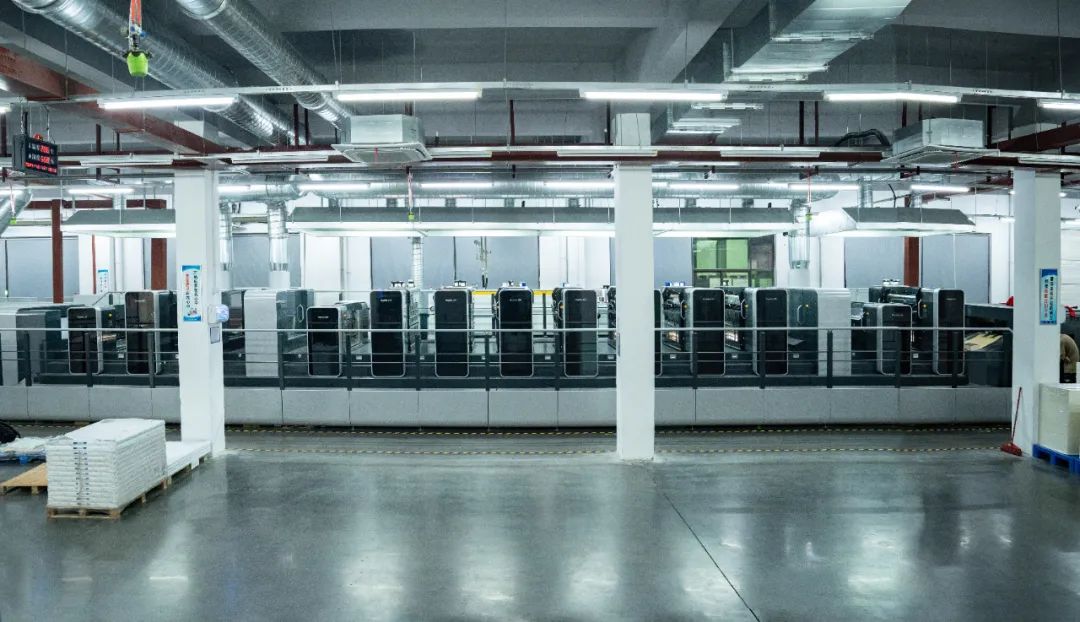
Running a successful printing company in today's competitive market means more than owning the right machines. When order volumes scale up, every inefficiency becomes magnified, delays compound, and quality risks multiply. A printing company that wan...
View More

Get a Free Quote

Our representative will contact you soon.
Email
Name
Company Name
Interested Products
Please enter your interested products
Message
0/1000

designing product packaging

Brand Differentiation Through Visual Identity

Brand Differentiation Through Visual Identity

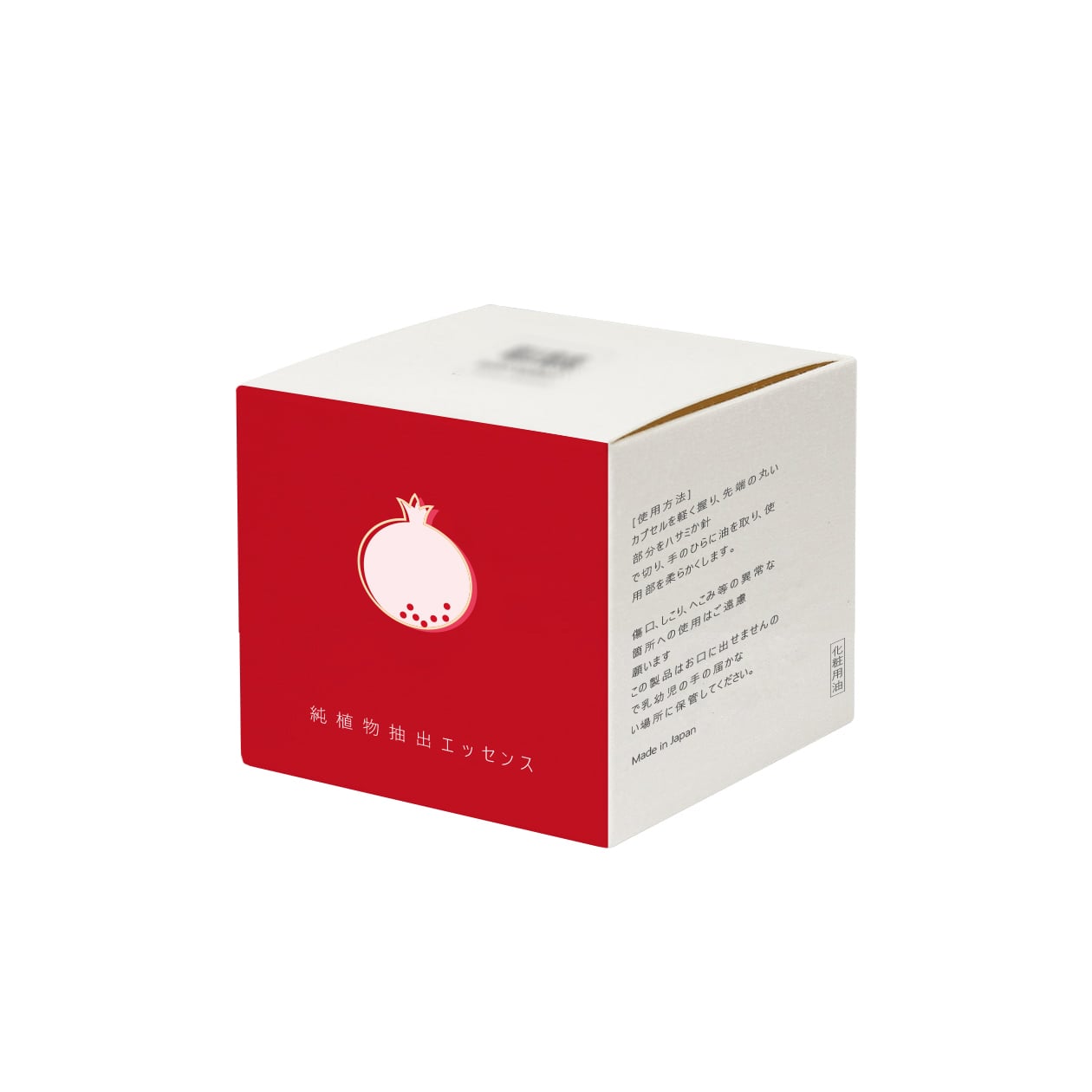
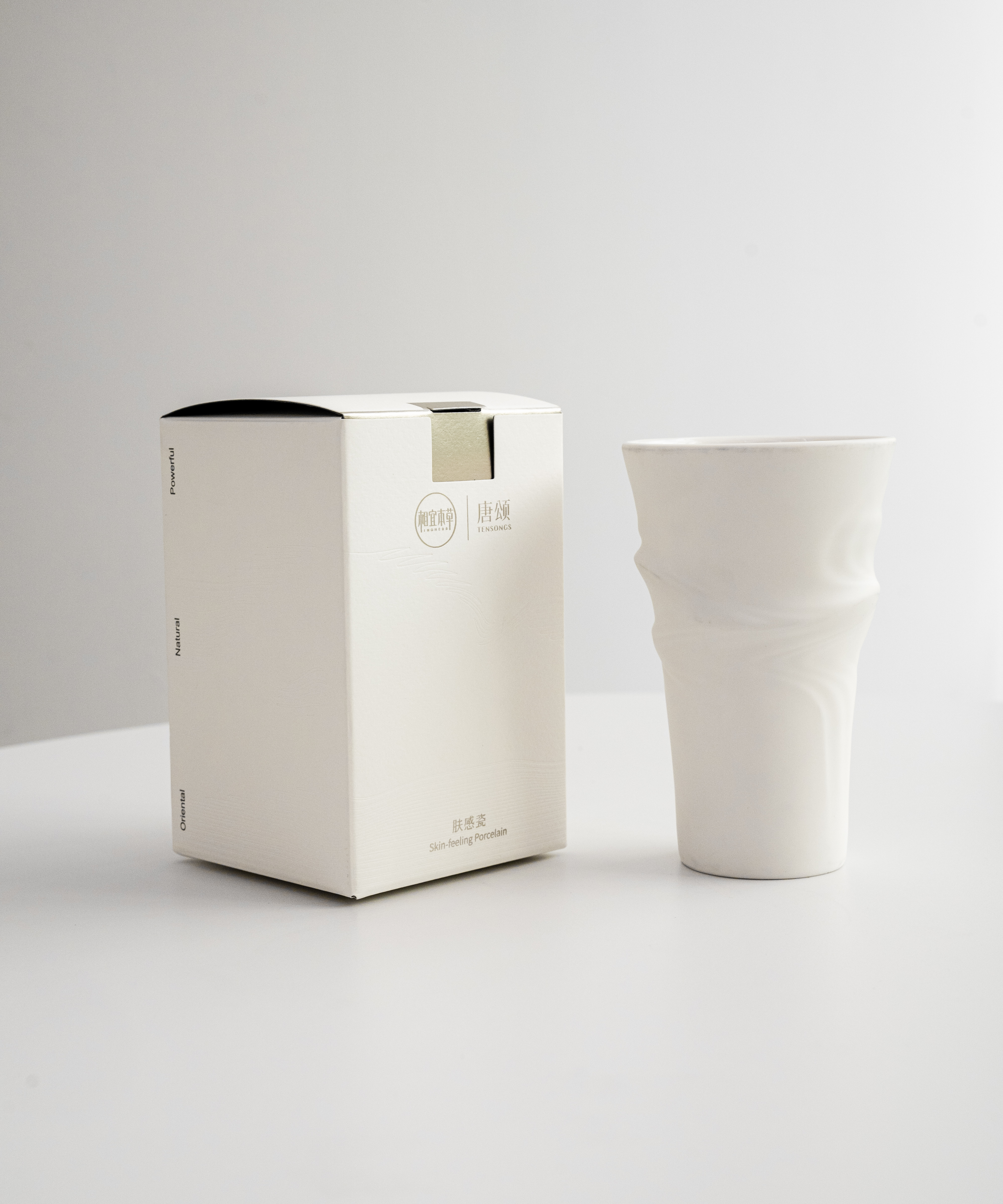
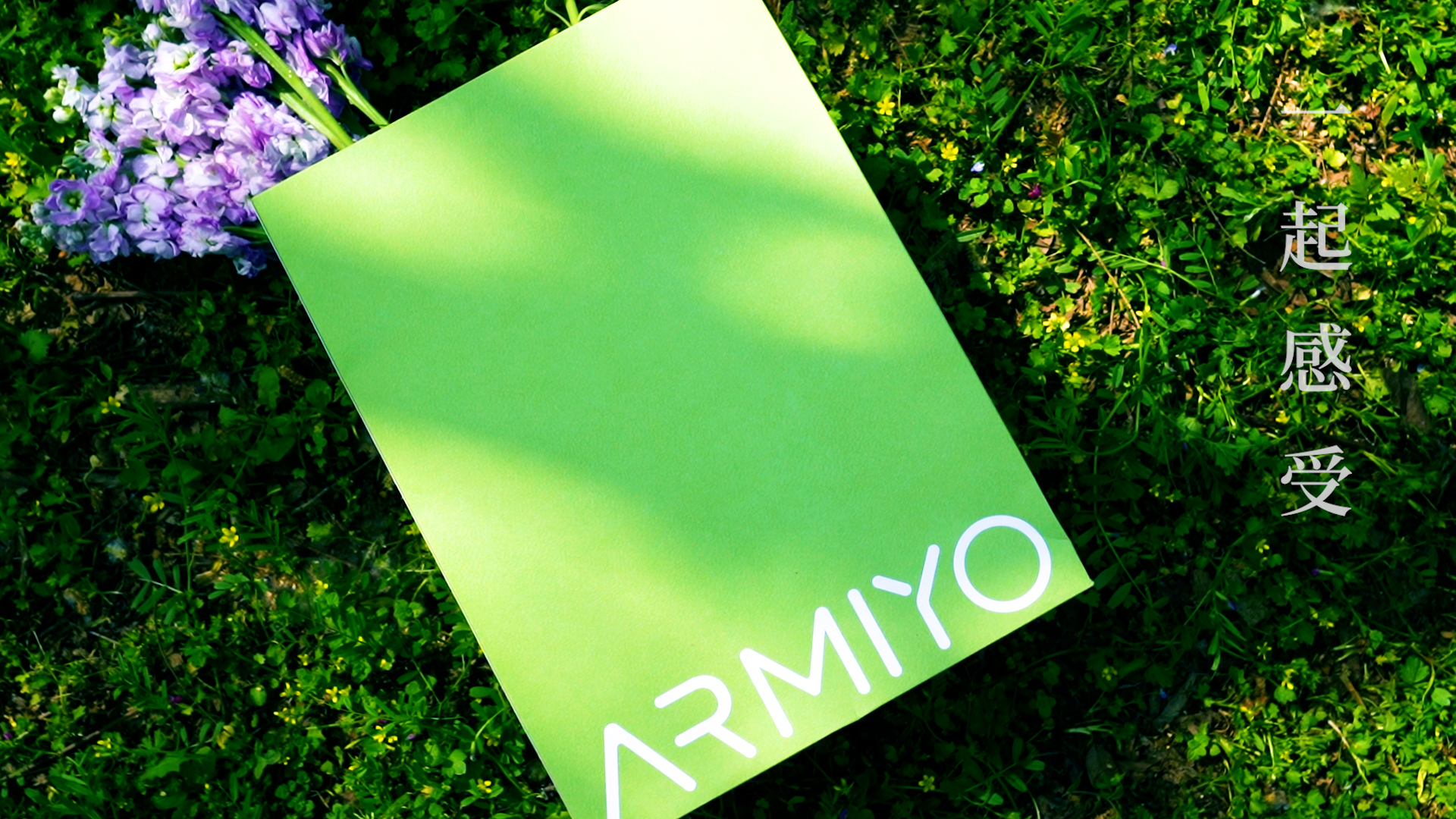
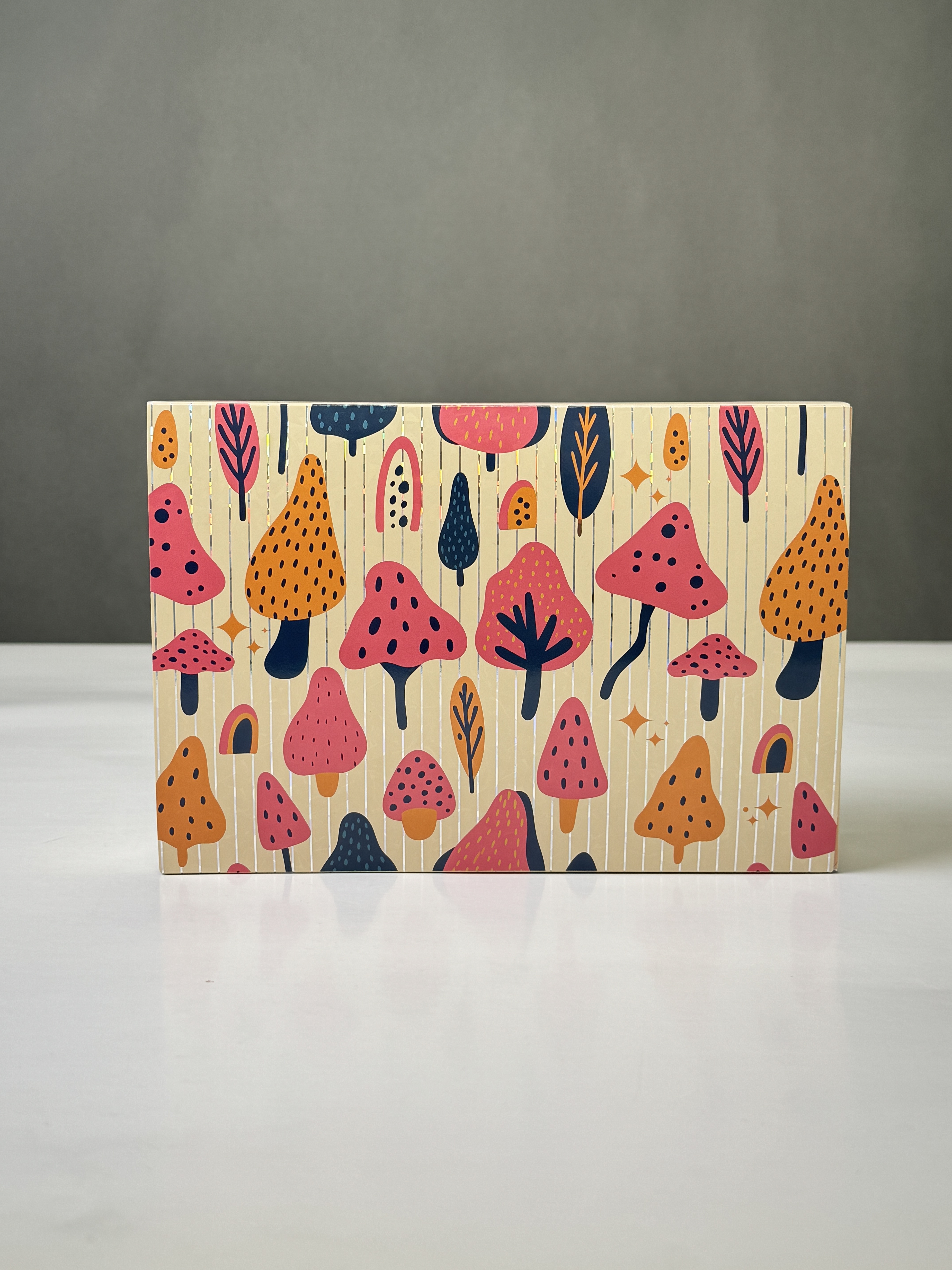
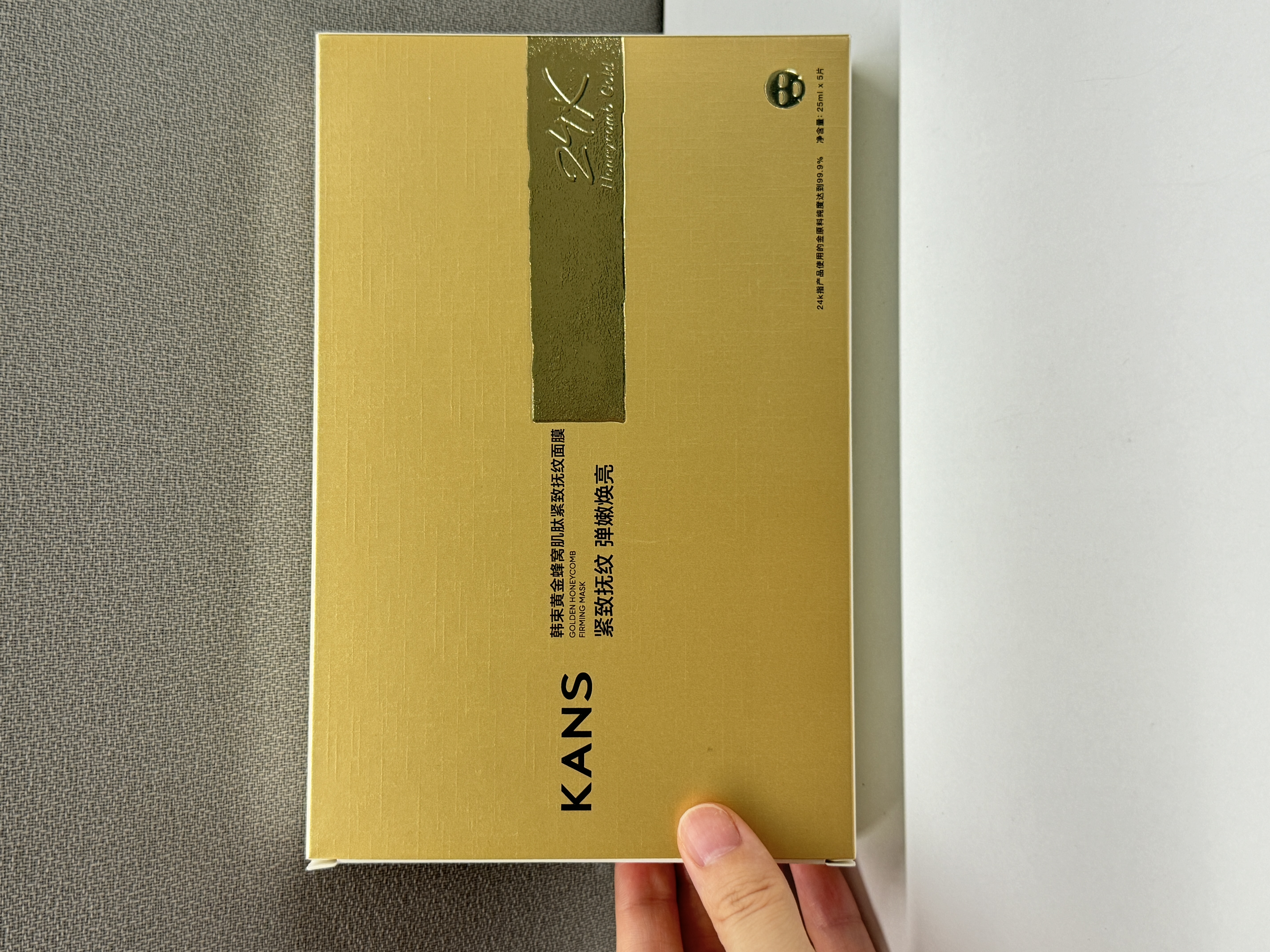
Designing product packaging serves as a powerful tool for establishing unique brand differentiation in saturated marketplaces where consumers face overwhelming choices. Strategic visual elements including color schemes, typography, imagery, and finishing techniques combine to create distinctive packaging that becomes instantly recognizable and memorable. This visual identity extends beyond mere aesthetics to communicate brand values, quality positioning, and product promises without requiring verbal explanation. Professional designers leverage consumer psychology research to select colors that evoke specific emotions and associations aligned with brand messaging. For example, organic products often utilize earth tones and natural textures, while premium luxury items employ minimalist designs with metallic accents. The packaging becomes a silent salesperson that works continuously at retail locations, online marketplaces, and in consumers' homes, reinforcing brand recognition with every interaction. Consistency across product lines through cohesive design language builds brand equity over time, making new product launches more successful through established visual trust. Designing product packaging with distinctive visual identity also facilitates social media sharing, as consumers photograph aesthetically pleasing packages, generating organic marketing exposure and expanding brand reach beyond traditional advertising channels.
Functional Protection and User Experience Optimization

Functional Protection and User Experience Optimization

Designing product packaging prioritizes functional excellence by engineering structures that protect contents throughout complex supply chains while delivering superior user experiences. Advanced structural design considers product fragility, shipping stresses, stacking requirements, and environmental conditions to minimize damage risks and maintain product integrity. Material selection balances protection needs with cost efficiency and sustainability goals, utilizing innovations such as biodegradable cushioning, moisture barriers, and tamper-evident seals. User experience optimization addresses the complete interaction journey from initial package opening through product use and disposal. Intuitive opening mechanisms eliminate frustration, resealable closures extend product freshness, and clear dispensing systems prevent waste. Designing product packaging with ergonomic considerations ensures comfortable handling for diverse users including elderly consumers and those with limited dexterity. Information hierarchy places critical details such as usage instructions, ingredient lists, and safety warnings in easily accessible locations using legible typography and logical organization. Smart packaging features including QR codes enable digital engagement, providing additional product information, authenticity verification, and brand storytelling opportunities. Functional excellence in packaging design reduces customer service inquiries, minimizes product returns, and enhances overall satisfaction, translating directly into positive reviews and repeat purchase behavior that drives long-term business success.
Sustainability Integration and Regulatory Compliance

Sustainability Integration and Regulatory Compliance

Designing product packaging increasingly prioritizes environmental responsibility by integrating sustainable materials, minimizing waste, and ensuring compliance with evolving regulations across global markets. Modern packaging solutions utilize recycled content, compostable materials, and renewable resources to reduce environmental footprints while maintaining protective functionality and visual appeal. Design strategies focus on material reduction through structural optimization, eliminating unnecessary layers and components without compromising product safety. Designing product packaging with sustainability considerations appeals to environmentally conscious consumers who actively seek responsible brands and are willing to pay premium prices for products aligned with their values. Clear labeling of recyclability instructions and material composition helps consumers properly dispose of packaging, supporting circular economy initiatives. Regulatory compliance encompasses food safety standards, pharmaceutical regulations, hazardous material requirements, and international shipping protocols that vary by region and product category. Professional designers navigate complex regulatory landscapes to ensure packaging meets all applicable standards, avoiding costly recalls, legal penalties, and brand reputation damage. Sustainability integration also delivers operational benefits through reduced material costs, potential tax incentives, and improved corporate social responsibility profiles that attract investors and partners. Forward-thinking companies recognize that designing product packaging with environmental and regulatory excellence positions them competitively for future market demands and regulatory changes.

Get a Free Quote

Our representative will contact you soon.
Email
Name
Company Name
Interested Products
Please enter your interested products
Message
0/1000