Types of Cosmetic Packaging Solutions Guide

One free digital sample for orders over $500
For orders over $7,500, a voucher worth $500 will be given, which can be deducted from the next big shipment or proof.

types of cosmetic packaging

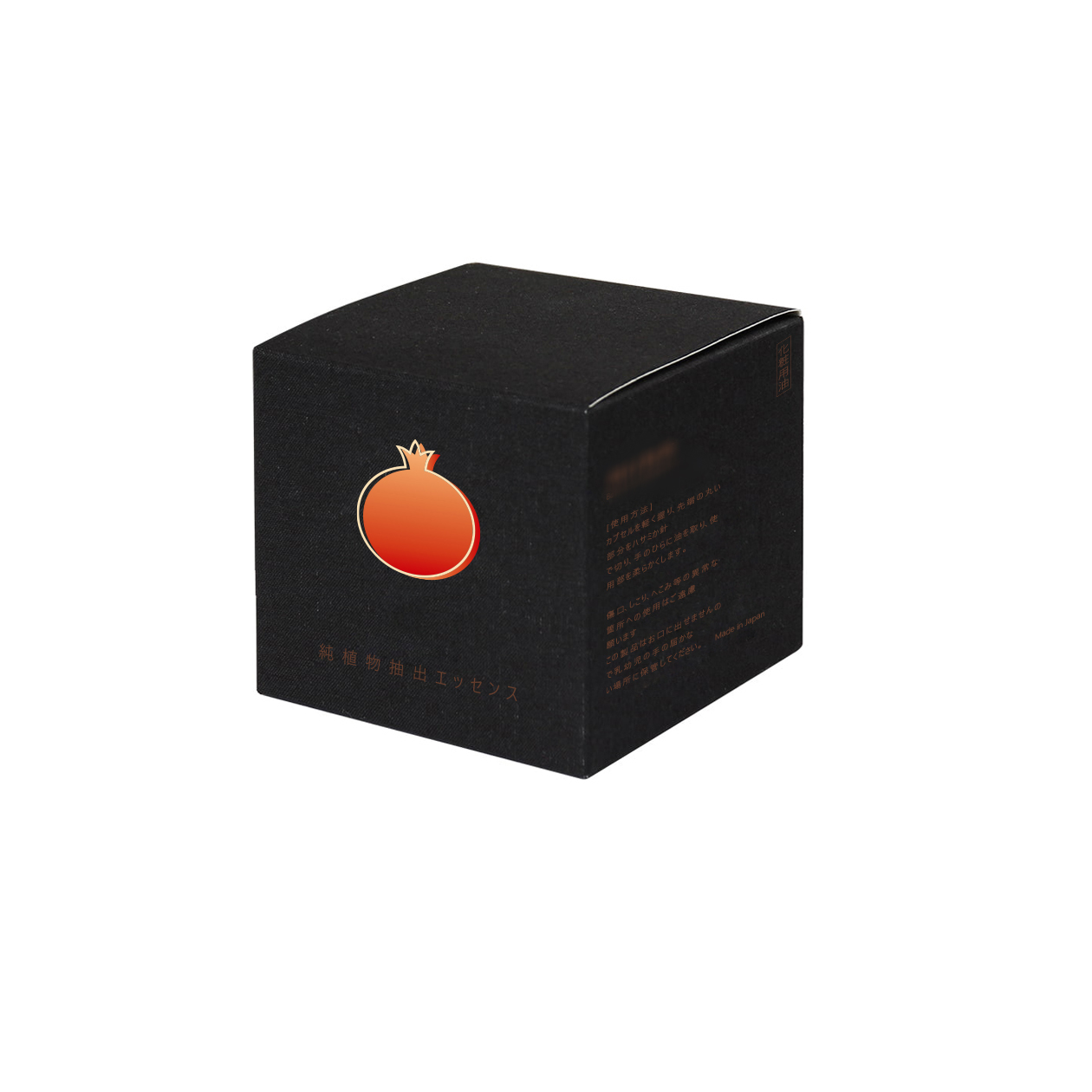
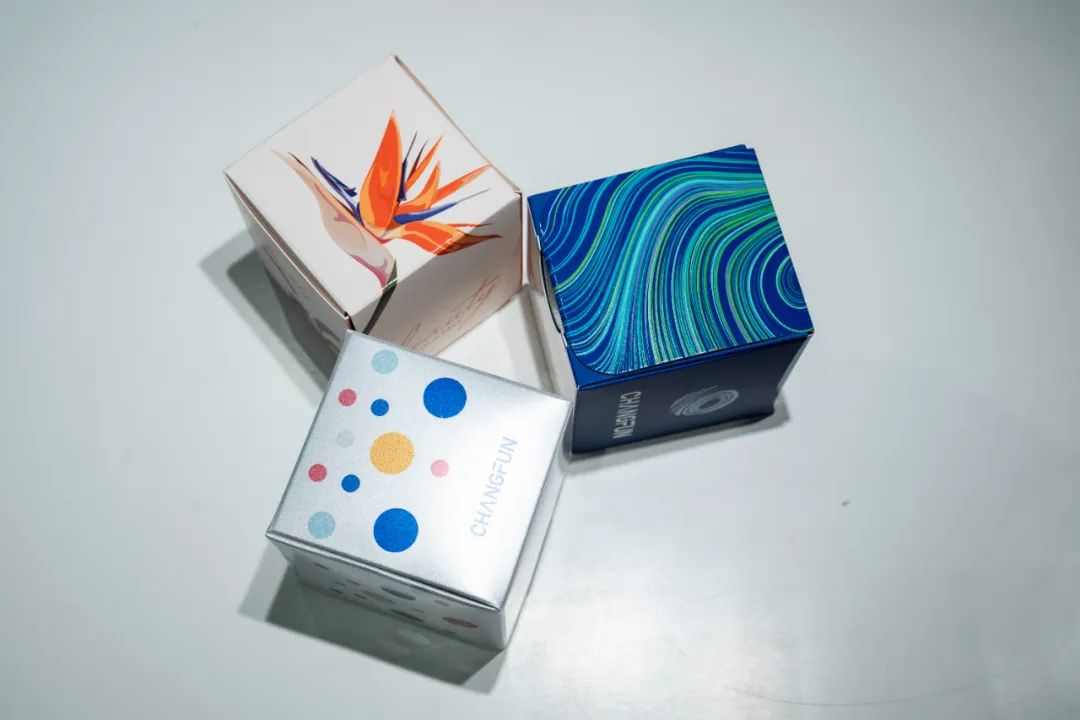
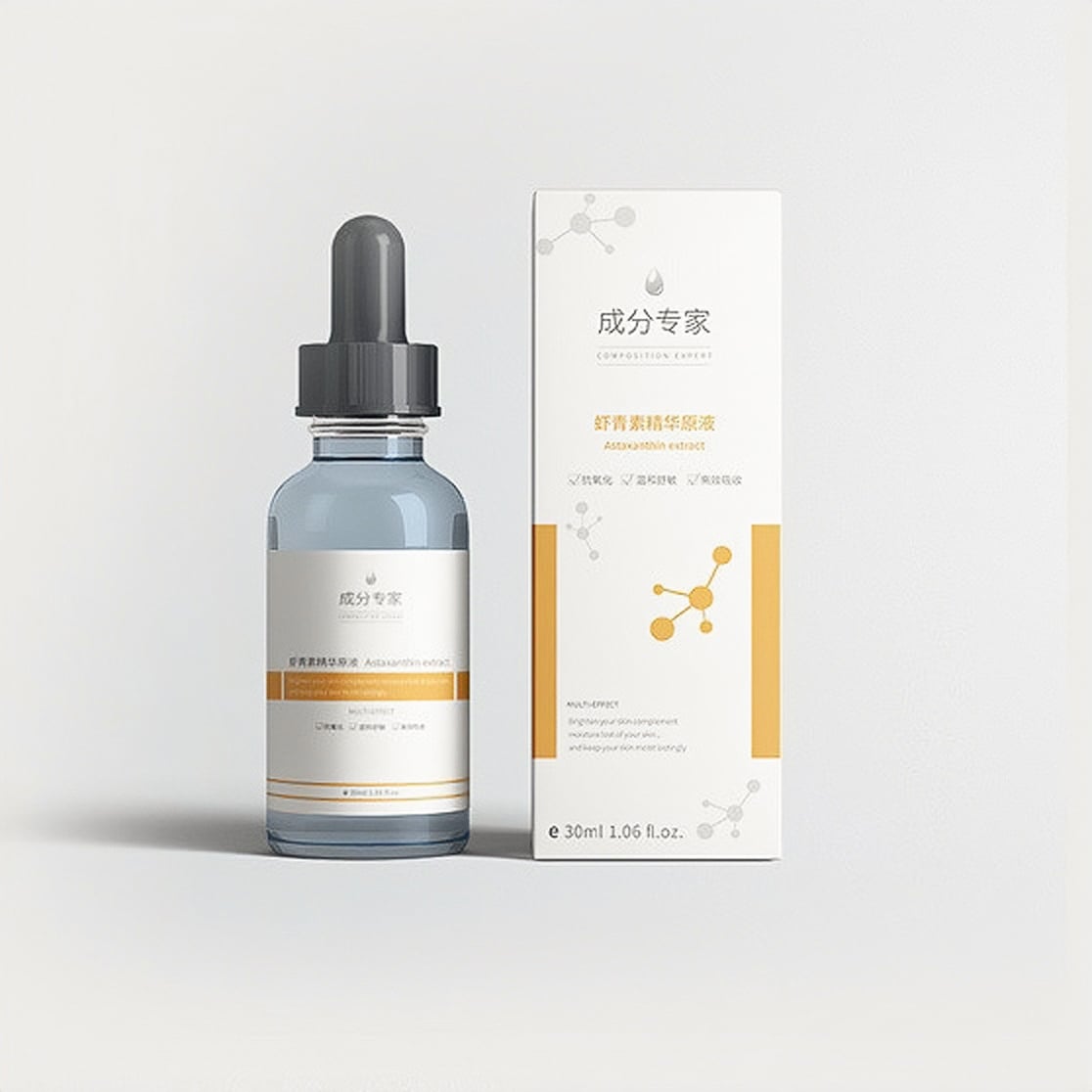
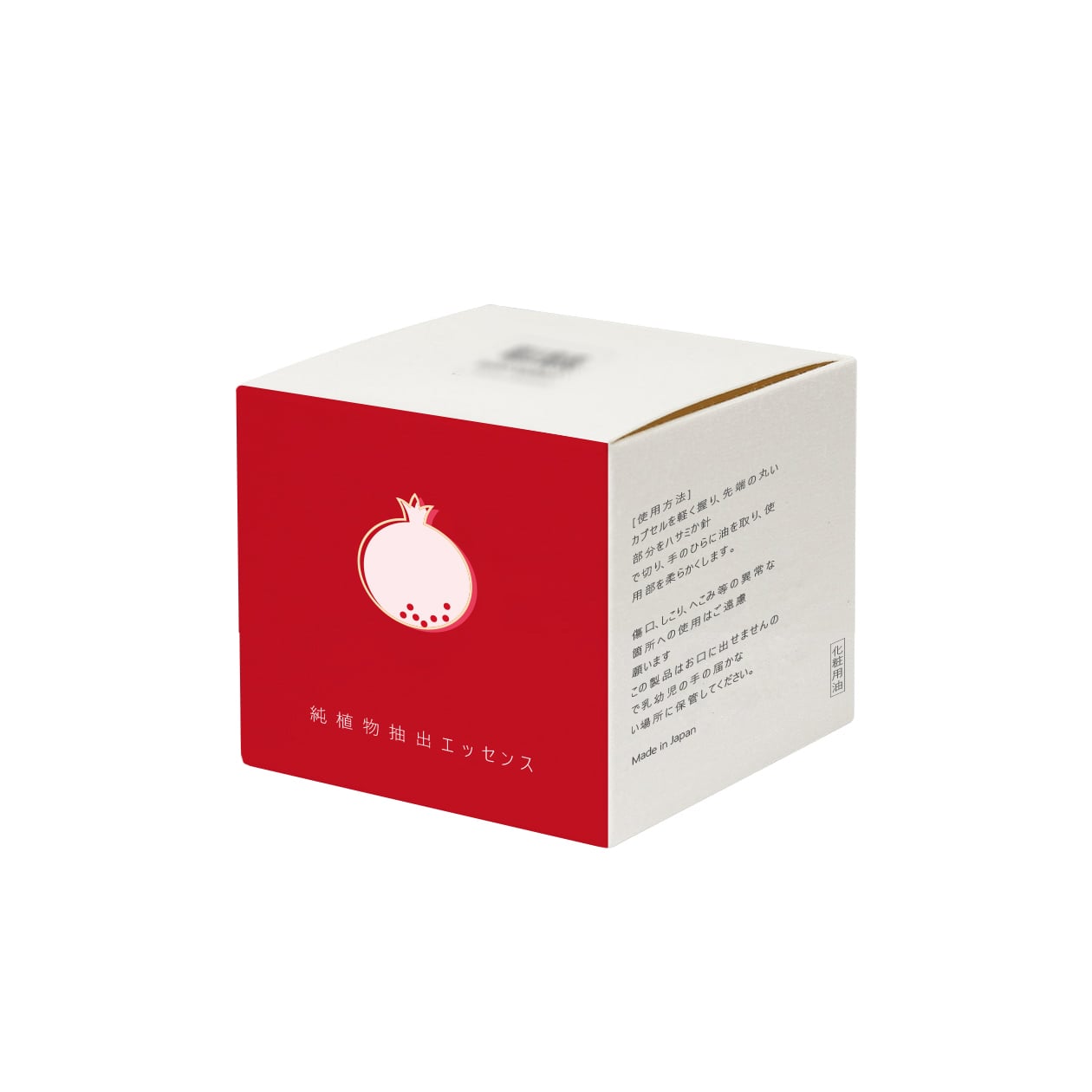
The types of cosmetic packaging represent a diverse range of container solutions designed to protect, preserve, and present beauty products effectively. These packaging options include bottles, jars, tubes, pumps, compacts, droppers, and airless containers, each serving specific product formulations and consumer needs. Modern types of cosmetic packaging incorporate advanced materials such as glass, plastic, metal, and eco-friendly alternatives that ensure product integrity while enhancing brand appeal. The main functions encompass protection against contamination, oxidation, and UV damage, while maintaining product freshness and extending shelf life. Technological features include airless dispensing systems that prevent air exposure, precision pumps for controlled dosage, and tamper-evident seals for safety assurance. Applications span across skincare serums, foundations, moisturizers, lip products, eye cosmetics, and fragrances. Each type addresses specific viscosity requirements, from lightweight lotions to thick creams and liquid formulations. The selection process considers factors like product compatibility, user convenience, transportation durability, and visual merchandising impact. Contemporary types of cosmetic packaging also emphasize sustainability through recyclable materials, refillable designs, and reduced plastic consumption. These packaging solutions serve both functional and marketing purposes, creating the first tangible connection between consumers and beauty brands while ensuring product efficacy throughout the usage cycle.

Popular Products

Understanding the types of cosmetic packaging helps buyers make informed decisions that directly impact product success and customer satisfaction. Different packaging types offer distinct preservation capabilities, ensuring that active ingredients remain potent and effective until the last use. Airless pumps prevent product waste by dispensing nearly every drop while protecting formulations from bacterial contamination, delivering better value for your investment. Glass containers provide superior barrier properties against oxygen and moisture, making them ideal for premium serums and essential oil-based products that require maximum stability. Tube packaging offers portability and hygienic dispensing, perfect for travel-sized products and on-the-go applications that modern consumers demand. The operational benefits include reduced product returns due to spoilage, enhanced brand perception through thoughtful packaging choices, and improved user experience with convenient dispensing mechanisms. Selecting appropriate types of cosmetic packaging also supports inventory management by extending product shelf life and reducing disposal costs. Application suitability varies significantly, where pumps excel for liquid foundations, jars work best for thick creams requiring spatula application, and droppers provide precise dosing for concentrated treatments. Decision-making becomes clearer when you understand how each packaging type affects filling processes, shipping durability, and display presentation. Cost-effectiveness emerges through matching packaging complexity to product value, avoiding over-packaging for basic formulations while investing in sophisticated solutions for high-performance treatments. The right types of cosmetic packaging ultimately protect your product investment, satisfy customer expectations, build brand loyalty, and support sustainable business practices through appropriate material selection and reusable design options.

Practical Tips

How to Cut Product Packaging Costs Without Compromise

15

Dec

How to Cut Product Packaging Costs Without Compromise

Modern businesses face mounting pressure to reduce operational expenses while maintaining quality standards, and product packaging represents one of the most significant opportunities for cost optimization. Smart companies are discovering innovative ...
View More
Product Packaging Design: A Complete Guide

15

Dec

Product Packaging Design: A Complete Guide

In today's competitive marketplace, product packaging serves as the silent salesperson that can make or break a brand's success. Beyond its fundamental role of protection and containment, effective product packaging design has evolved into a sophisti...
View More
How Does Custom Packaging Design Influence User Experience at First Contact?

30

Jan

How Does Custom Packaging Design Influence User Experience at First Contact?

The moment a customer receives a product, the initial interaction occurs through the packaging. This first contact can determine whether the experience feels premium, thoughtful, or disappointing. Custom packaging design serves as a silent ambassador...
View More
What Factors Influence Printing Solutions Performance Across Industries?

30

Jun

What Factors Influence Printing Solutions Performance Across Industries?

Across manufacturing, retail, food, cosmetics, and beyond, printing solutions serve as a critical bridge between brand identity and the end consumer. The performance of printing solutions is never determined by a single element. Instead, it reflects ...
View More

Get a Free Quote

Our representative will contact you soon.
Email
Name
Company Name
Interested Products
Please enter your interested products
Message
0/1000

types of cosmetic packaging

Material Innovation and Product Compatibility

Material Innovation and Product Compatibility

The types of cosmetic packaging have evolved dramatically with material science advancements that prioritize both product compatibility and environmental responsibility. Modern packaging utilizes specialized plastics like PET, HDPE, and PP that resist chemical reactions with various cosmetic formulations, preventing ingredient degradation and maintaining product efficacy. Glass remains the gold standard for premium products containing active ingredients sensitive to plastic interaction, offering complete inertness and recyclability. Metal containers provide exceptional light protection for photosensitive formulations while delivering a luxury aesthetic that elevates brand positioning. Recent innovations include biodegradable plastics derived from plant sources and post-consumer recycled materials that reduce environmental impact without compromising functionality. Surface treatments such as UV coatings, metalization, and specialized liners create additional barriers against moisture, oxygen, and light penetration. These material choices directly influence product stability, consumer perception, and regulatory compliance across different markets. Selecting appropriate materials within the types of cosmetic packaging ensures formulation integrity throughout distribution channels, storage conditions, and consumer usage patterns while aligning with corporate sustainability goals and consumer values regarding environmental stewardship.
Dispensing Mechanism Precision and User Experience

Dispensing Mechanism Precision and User Experience

The dispensing mechanisms integrated into various types of cosmetic packaging fundamentally shape user satisfaction and product performance. Pump systems deliver consistent dosage control, eliminating product waste and ensuring users apply the optimal amount for effective results. Airless technology creates vacuum pressure that dispenses products without air exposure, significantly extending shelf life for preservative-free formulations and oxygen-sensitive ingredients. Dropper assemblies provide precision application for concentrated serums and oils, allowing consumers to customize dosage based on individual needs and skin conditions. Spray mechanisms atomize products for even distribution across large surface areas, ideal for toners, setting sprays, and body mists. Twist-up designs common in lip products and stick foundations offer portability and mess-free application without requiring additional tools. Squeeze tubes with various orifice sizes accommodate different viscosities while preventing backflow contamination. These dispensing innovations within types of cosmetic packaging address practical user challenges such as hygiene maintenance, portion control, and application convenience. The mechanical reliability of these systems directly impacts repurchase decisions, as consumers value packaging that functions flawlessly from first use to last drop, creating positive brand associations and encouraging customer loyalty through superior user experience.
Sustainable Design and Circular Economy Integration

Sustainable Design and Circular Economy Integration

Environmental considerations have transformed the types of cosmetic packaging available, driving innovation toward circular economy principles and sustainable material sourcing. Refillable systems reduce packaging waste by allowing consumers to purchase replacement cartridges rather than entirely new containers, significantly decreasing material consumption and carbon footprint. Mono-material construction simplifies recycling processes by eliminating mixed-material components that complicate separation and reprocessing. Lightweight designs minimize transportation emissions while maintaining structural integrity and protective functions. Brands increasingly adopt ocean-bound plastic and agricultural waste derivatives as raw materials, diverting waste streams into functional packaging solutions. Minimalist designs reduce unnecessary components and decoration materials, focusing on essential functionality while lowering environmental impact. Clear labeling systems educate consumers about proper disposal and recycling procedures, improving end-of-life material recovery rates. Standardized packaging formats facilitate collection and sorting infrastructure efficiency. These sustainable approaches within types of cosmetic packaging respond to consumer demand for environmentally responsible products while addressing regulatory pressures and corporate sustainability commitments. Forward-thinking packaging strategies create competitive differentiation, build brand reputation among environmentally conscious consumers, and prepare businesses for evolving regulations regarding packaging waste and extended producer responsibility programs.

Get a Free Quote

Our representative will contact you soon.
Email
Name
Company Name
Interested Products
Please enter your interested products
Message
0/1000