biodegradable packaging materials
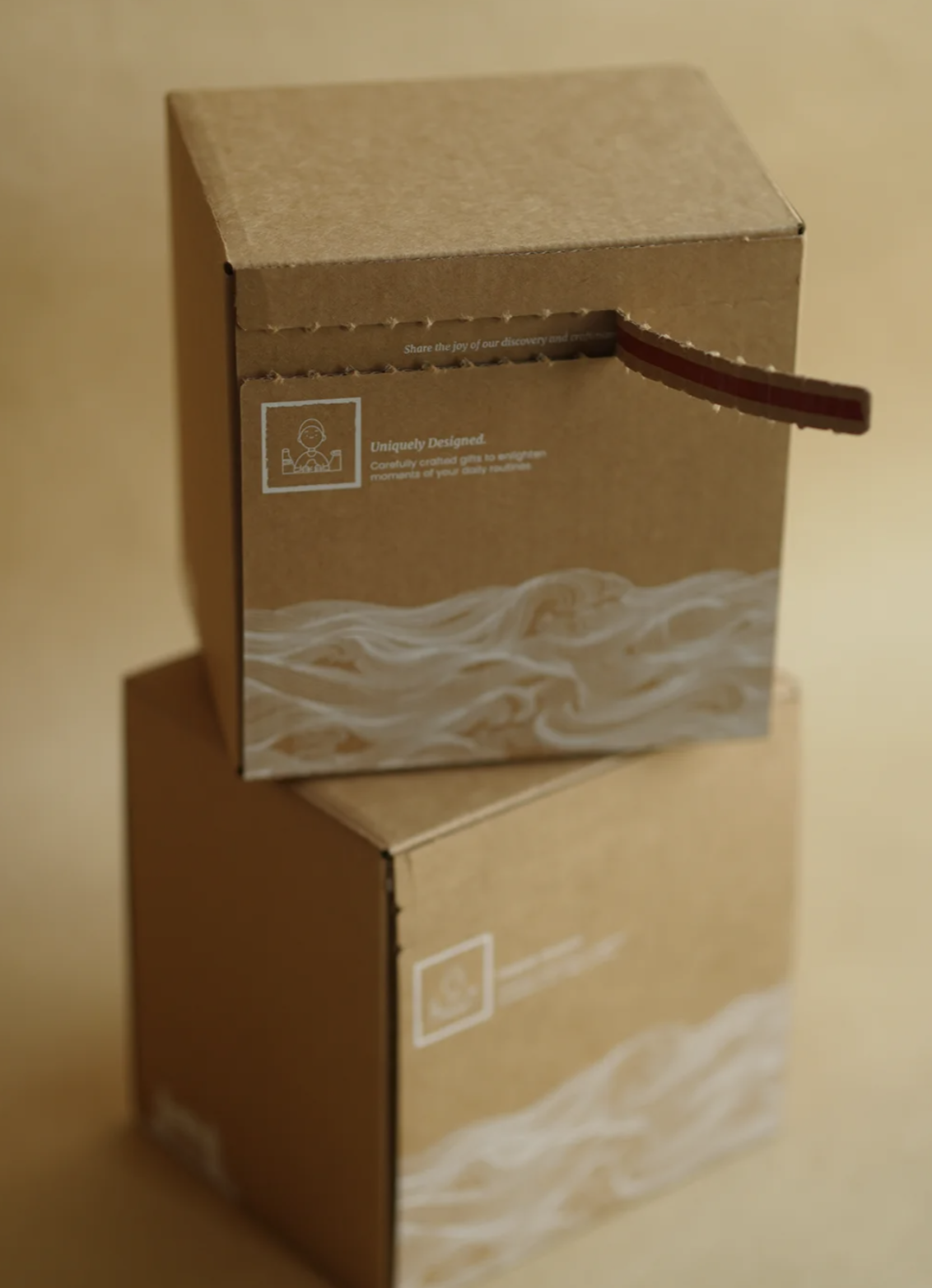
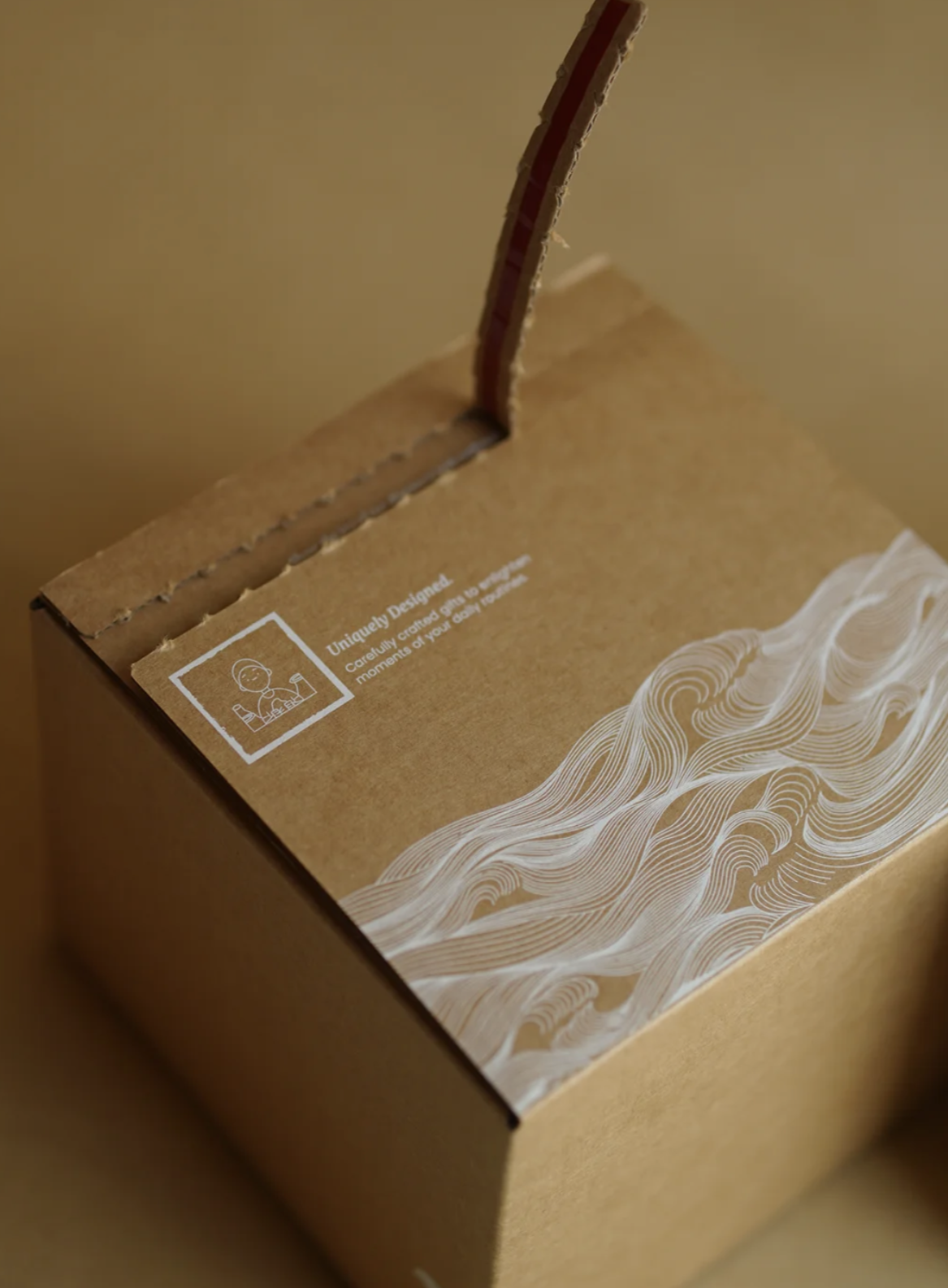
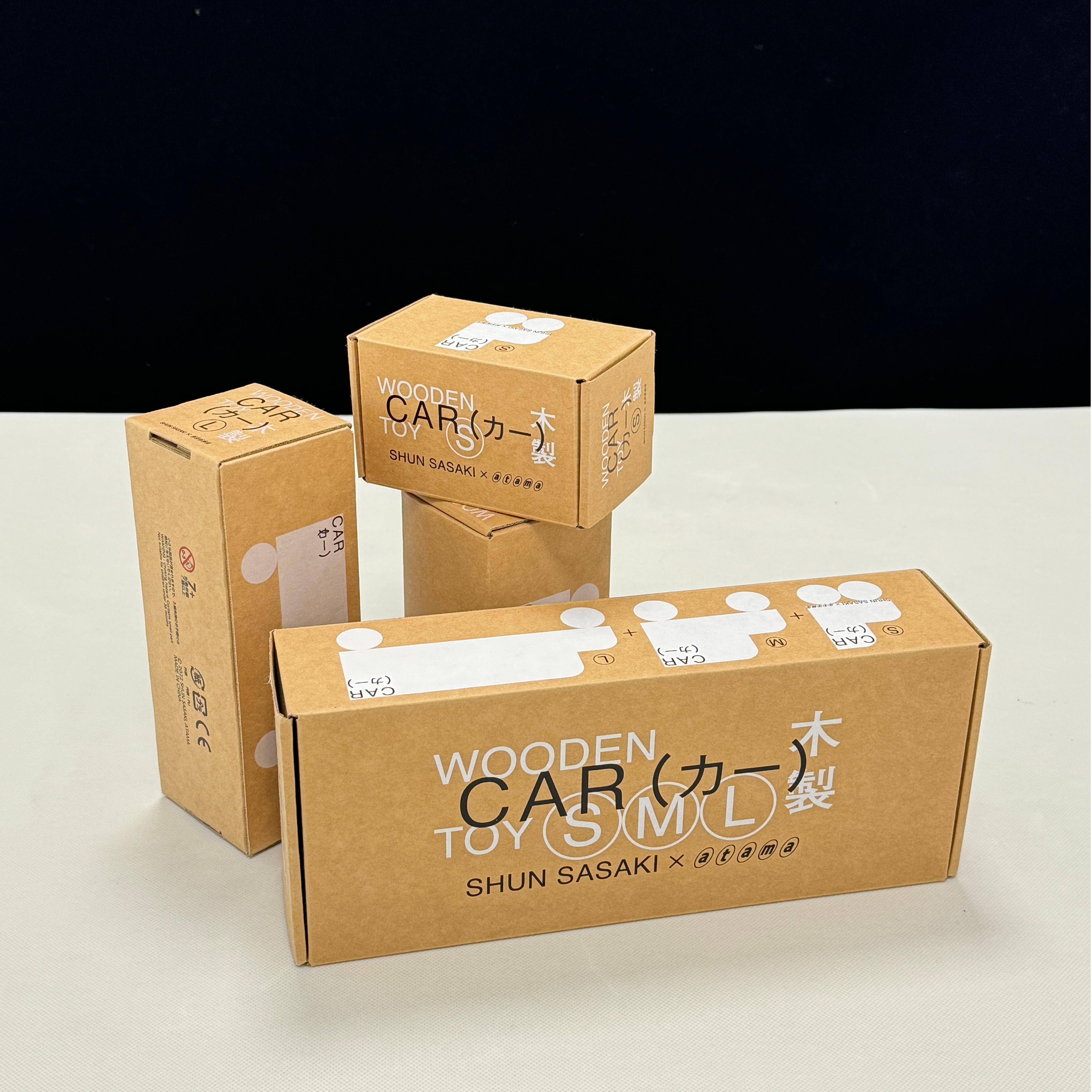
Biodegradable packaging materials represent an innovative solution designed to address environmental concerns associated with traditional packaging waste. These materials are engineered to decompose naturally through biological processes when exposed to microorganisms, moisture, and oxygen in appropriate environmental conditions. The main function of biodegradable packaging materials is to provide effective product protection while minimizing long-term environmental impact through natural degradation. Technological features include composition from renewable resources such as cornstarch, cellulose, polylactic acid, and other plant-based polymers that break down into natural elements without leaving harmful residues. These materials maintain structural integrity during use while offering predictable decomposition timelines ranging from several months to a few years depending on environmental conditions. Applications span diverse industries including food service, retail, e-commerce, agriculture, and consumer goods sectors. Biodegradable packaging materials serve as containers, wraps, films, cushioning materials, and protective barriers for various products. They effectively replace conventional plastics in shopping bags, food containers, shipping materials, and product packaging. The technology behind biodegradable packaging materials continues advancing with improved barrier properties, enhanced durability, and customizable degradation rates. Manufacturing processes incorporate sustainable practices that reduce carbon footprints while delivering packaging solutions that meet modern performance standards. These materials provide businesses and consumers with environmentally responsible alternatives that support circular economy principles and waste reduction goals without compromising functionality or product safety.

 EN
EN
 Request An Estimate
 Projects